16 There are six things that the LORD hates, seven that are an abomination to him: 17 haughty eyes, a lying tongue, and hands that shed innocent blood, 18 a heart that devises wicked plans, feet that hurry to run to evil, 19 a lying witness who testifies falsely, and one who sows discord in a family.
Hear the word of the Lord, you rulers of Sodom; listen to the instruction of our God, you people of Gomorrah! “The multitude of your sacrifices— what are they to me?” says the Lord. “I have more than enough of burnt offerings, of rams and the fat of fattened animals; I have no pleasure in the blood of bulls and lambs and goats. When you come to appear before me, who has asked this of you, this trampling of my courts? Stop bringing meaningless offerings! Your incense is detestable to me. New Moons, Sabbaths and convocations— I cannot bear your worthless assemblies. Your New Moon feasts and your appointed festivals I hate with all my being. They have become a burden to me; I am weary of bearing them. When you spread out your hands in prayer, I hide my eyes from you; even when you offer many prayers, I am not listening.
Your hands are full of blood!
Wash and make yourselves clean. Take your evil deeds out of my sight; stop doing wrong. Learn to do right; seek justice. Defend the oppressed. Take up the cause of the fatherless; plead the case of the widow.
Whenever I groan within myself and think how hard it is to keep writing about love in these times of tension and strife which may at any moment become for us all a time of terror, I think to myself, “What else is the world interested in?” What else do we all want, each one of us, except to love and be loved, in our families, in our work, in all our relationships. God is Love. Love casts out fear. Even the most ardent revolutionist, seeking to change the world, to overturn the tables of the money changers, is trying to make a world where it is easier for people to love, to stand in that relationship with each other of love. We want with all our hearts to love, to be loved. And not just in the family but to look upon all as our mothers, sisters, brothers, children. It is when we love the most intensely and most humanly, that we can recognize how tepid is our love for others. The keenness and intensity of love brings with it suffering, of course, but joy too because it is a foretaste of heaven. – Dorothy Day
If you remove from your midst oppression, false accusation, and malicious speech, if you bestow your bread on the hungry, and satisfy the afflicted, then light shall rise for you in the darkness,…and God will guide you always, and give you relief in desert places.
“You touch me on a very tender part when you say my friends on your side of the water cannot be reconciled to the idea of my resigning my adopted America, even for my native England.” They are right. Though I am in as elegant style of acquaintance here as any American that ever came over, my heart and myself are three thousand miles apart; and I had rather see my horse Button in his own stable, or eating the grass of Bordentown or Morrisania, than see all the pomp and show of Europe.
A thousand years hence (for I must indulge in a few thoughts), perhaps in less, America may be what England now is! The innocence of her character that won the hearts of all nations in her favor may sound like a romance, and her inimitable virtue as if it had never been. The ruins of that liberty which thousands bled for, or suffered to obtain, may just furnish materials for a village tale or extort a sigh from rustic sensibility, while the fashionable of that day, enveloped in dissipation, shall deride the principle and deny the fact.
When we contemplate the fall of empires and the extinction of nations of the ancient world, we see but little to excite our regret than the moldering ruins of pompous palaces, magnificent monuments, lofty pyramids, and walls and towers of the most costly workmanship. But when the empire of America shall fall, the subject for contemplative sorrow will be infinitely greater than crumbling brass or marble can inspire. It will not then be said, Here stood a temple of vast antiquity; here rose a Babel of invisible height; or there a palace of sumptuous extravagance; but here, ah painful thought! the noblest work of human wisdom, the grandest scene of human glory, the fair cause of freedom rose and fell!
The voice of God is heard in Paradise: “What was vile has become precious. What is now precious was never vile. I have always known the vile as precious: for what is vile I know not at all. What was cruel has become merciful. What is now merciful was never cruel. I have always overshadowed Jonas with my mercy and cruelty I know not at all. Have you had sight of Me, Jonas, My child? Mercy within mercy within mercy. I have forgiven the universe without end, because I have never known sin. What was poor has become infinite. What is infinite was never poor. I have always known poverty as infinite: riches I love not at all. Prisons within prisons within prisons. Do not lay up for yourselves ecstasies upon earth, where time and space corrupt, where the minutes break in and steal. No more lay hold on time, Jonas, My son, lest the rivers bear you away. What was fragile has become powerful. I loved what was most frail. I looked upon what was nothing. I touched what was without substance and within what was not I AM.”
“Each time a man stands up for an ideal, or acts to improve the lot of others, or strikes out against injustice, he sends forth a tiny ripple of hope, and crossing each other from a million different centers of energy and daring those ripples build a current which can sweep down the mightiest walls of oppression and resistance.”




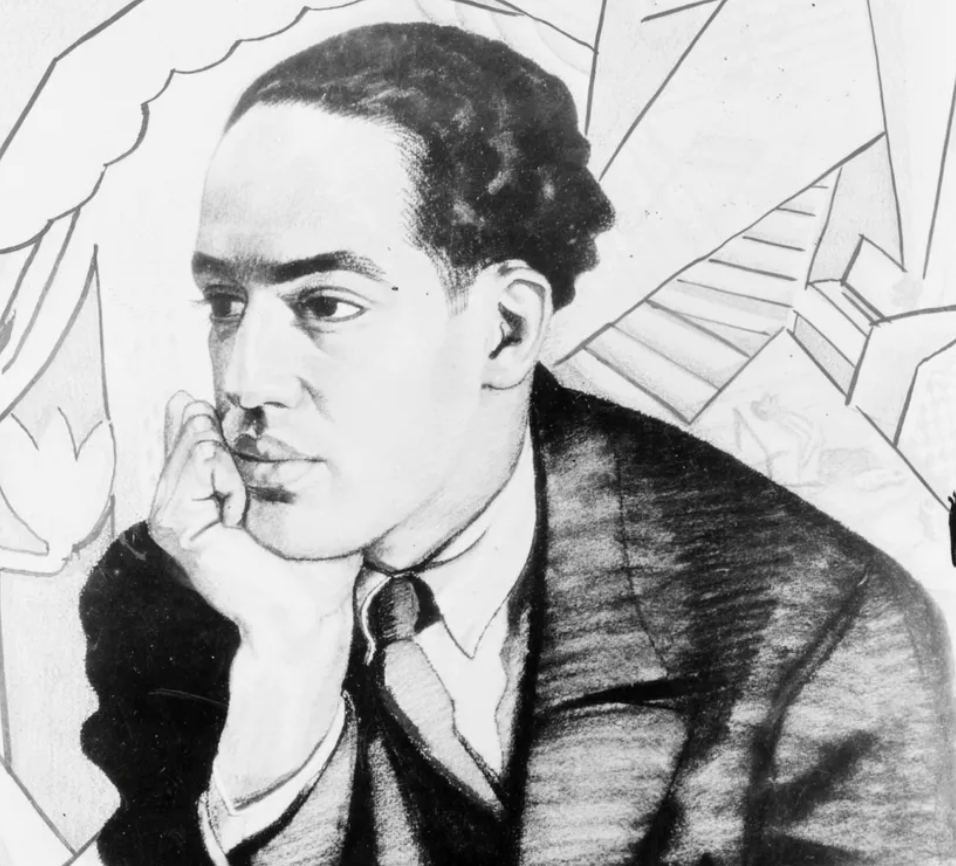 I, too, sing America.

 “Each time a man stands up for an ideal, or acts to improve the lot of others, or strikes out against injustice, he sends forth a tiny ripple of hope, and crossing each other from a million different centers of energy and daring those ripples build a current which can sweep down the mightiest walls of oppression and resistance.”
