Mythologies are great poems

“Mythologies, in other words, mythologies and religions, are great poems and, when recognized as such, point infallibly through things and events to the ubiquity of a ‘presence’ or ‘eternity’ that is whole and entire in each. In this function all mythologies, all great poetries, and all mystic traditions are in accord; and where any such inspiriting vision remains effective in a civilization, everything and every creature within its range is alive. The first condition, therefore, that any mythology must fulfill if it is to render life to modern lives is that of cleansing the doors of perception to the wonder, at once terrible and fascinating, of ourselves and of the universe of which we are the ears and eyes and the mind. Whereas theologians, reading their revelations counterclockwise, so to say, point to references in the past (in Merton’s words: ‘to another point on the circumference’) and Utopians offer revelations only promissory of some desired future, mythologies, having sprung from the psyche, point back to the psyche (‘the center’): and anyone seriously turning within will, in fact, rediscover their references in himself.”
— Joseph Campbell, “Myths To Live By”
The immense simplicity of things

2019_01_06_16_20_13_199_pic)
(photo: Greene, ME – January 2019)
I thank you, my God, for having in a thousand different ways led my eyes to discover the immense simplicity of things. Little by little, through the irresistible development of those yearnings you implanted in me as a child, through the influence of gifted friends who entered my life at certain moments to bring light and strength to my mind, and through the awakenings of spirit I owe to the successive initiations, gentle and terrible, which you caused me to undergo: through all these I have been brought to the point where I can no longer see anything, nor any longer breathe, outside that milieu in which all is made one. – Pierre Teilhard de Chardin

Consider how you have fared

Now therefore thus says the Lord of hosts: Consider how you have fared. You have sown much, and harvested little; you eat, but you never have enough; you drink, but you never have your fill; you clothe yourselves, but no one is warm; and you that earn wages earn wages to put them into a bag with holes.
– Haggai 1:5-6

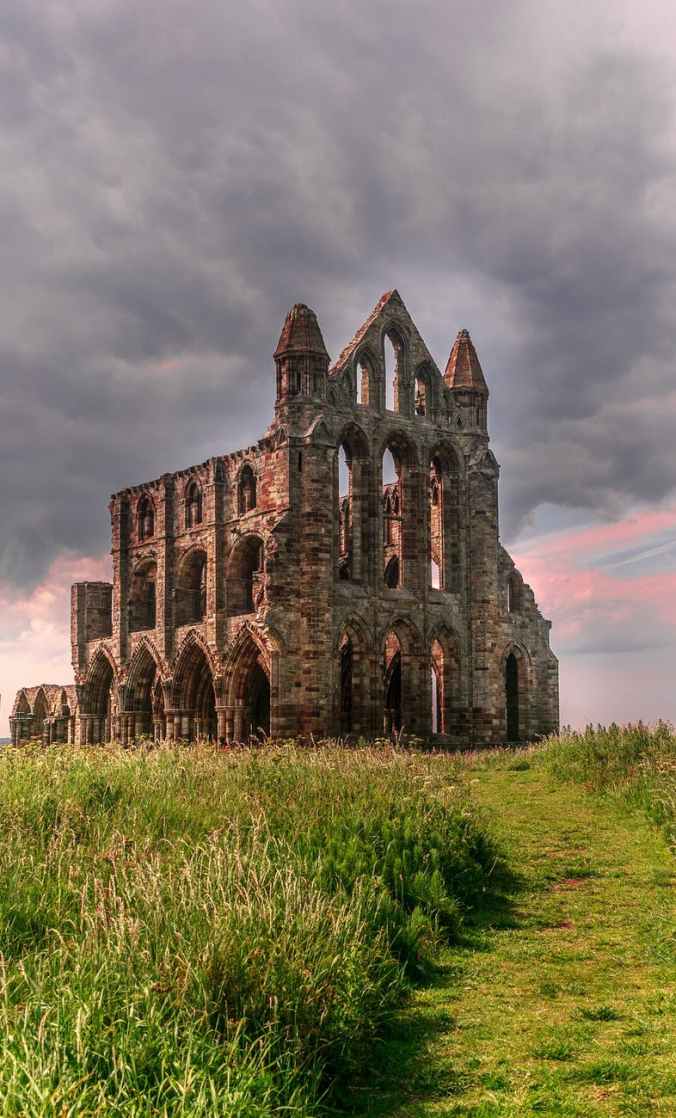
photo of old church building under cloudy sky

Photo by Harry Smith on Pexels.com

Until we walk with despair

(Photo: Berkeley, CA – April 2006)

Until we walk with despair, and still have hope, we will not know that our hope was not just hope in ourselves, in our own successes, in our power to make a difference, in our image of what perfection should be. We need hope from a much deeper Source. We need a hope larger than ourselves.

Until we walk with personal issues of despair, we will never uncover the Real Hope on the other side of that despair. Until we allow the crash and crush of our images, we will never discover the Real Life beyond what only seems like death. Remember, death is an imaginary loss of an imaginary self, that is going to pass anyway.

This very journey is probably the heart of what Jesus came to reveal.

– Richard Rohr