Can I get used to it day after day
a little at a time while the tide keeps
coming in faster the waves get bigger
building on each other breaking records
this is not the world that I remember
then comes the day when I open the box
that I remember packing with such care
and there is the face that I had known well
in little pieces staring up at me
it is not mentioned on the front pages
but somewhere far back near the real estate
among the things that happen every day
to someone who now happens to be me
and what can I do and who can tell me
then there is what the doctor comes to say
endless patience will never be enough
the only hope is to be the daylight
Uncategorized
bird watchers
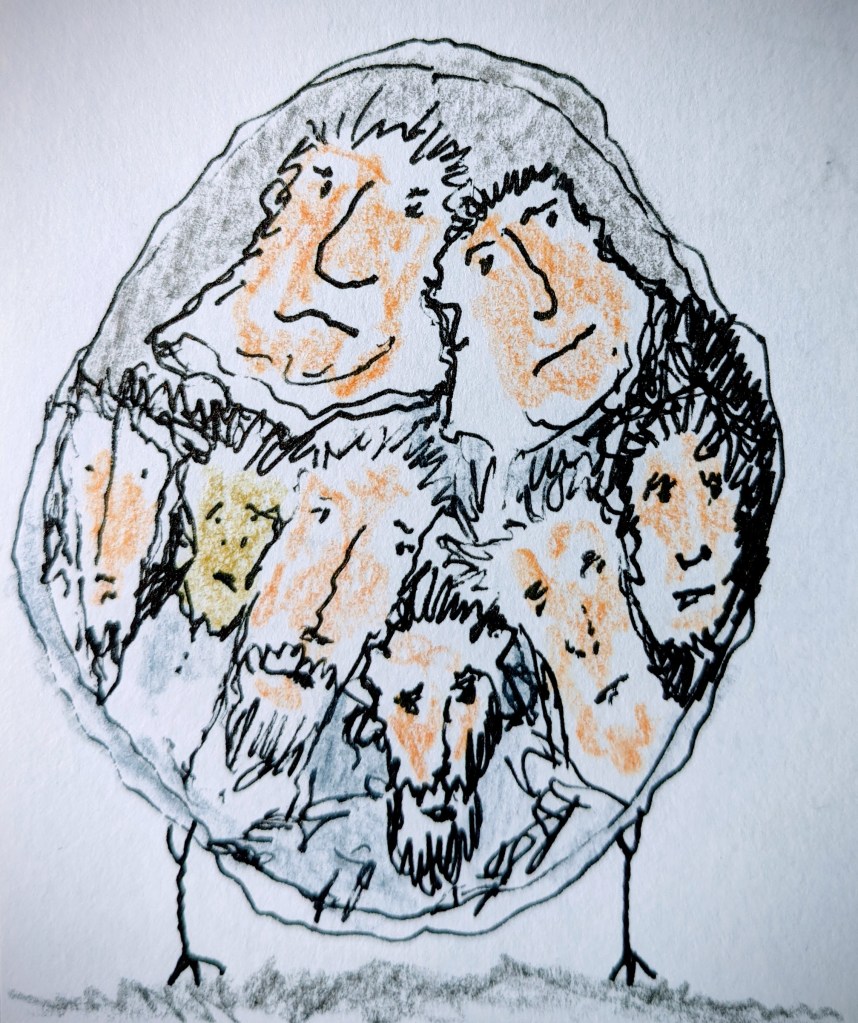
the country beyond words and beyond names
Prayer is what you bring – for prayer is your gift to us rather than what you ask of us. If only I could pray – and yet I can and do pray. Teach me to go to the country beyond words and beyond names. Teach me to pray on this side of the frontier, here where the woods are. – Thomas Merton, Journal July 17, 1956

The opposite of vengeance
In this respect, forgiveness is the exact opposite of vengeance, which acts in the form of re-acting against an original trespassing, whereby far from putting an end to the consequences of the first misdeed, everybody remains bound to the process, permitting the chain reaction contained in every action to take its unhindered course. In contrast to revenge, which is the natural, automatic reaction to transgression and which because of the irreversibility of the action process can be expected and even calculated, the act of forgiving can never be predicted; it is the only reaction that acts in an unexpected way and thus retains, though being a reaction, something of the original character of action. Forgiving, in other words, is the only reaction which does not merely re-act but acts anew and unexpectedly, unconditioned by the act which provoked it and therefore freeing from its consequences both the one who forgives and the one who is forgiven. The freedom contained in Jesus’ teachings of forgiveness is the freedom from vengeance, which encloses both doer and sufferer in the relentless automatism of the action process, which by itself need never come to an end.
– Hannah Arendt
Thanks – W.S. Merwin
Listen
with the night falling we are saying thank you
we are stopping on the bridges to bow from the railings
we are running out of the glass rooms
with our mouths full of food to look at the sky
and say thank you
we are standing by the water thanking it
standing by the windows looking out
in our directions
back from a series of hospitals back from a mugging
after funerals we are saying thank you
after the news of the dead
whether or not we knew them we are saying thank you
over telephones we are saying thank you
in doorways and in the backs of cars and in elevators
remembering wars and the police at the door
and the beatings on stairs we are saying thank you
in the banks we are saying thank you
in the faces of the officials and the rich
and of all who will never change
we go on saying thank you thank you
with the animals dying around us
taking our feelings we are saying thank you
with the forests falling faster than the minutes
of our lives we are saying thank you
with the words going out like cells of a brain
with the cities growing over us
we are saying thank you faster and faster
with nobody listening we are saying thank you
thank you we are saying and waving
dark though it is
W.S. Merwin, “Thanks” from Migration: New and Selected Poems. Copyright © 2005 by W.S. Merwin. Reprinted by permission of The Wylie Agency, Inc..
high road to Taos
There will come soft rains
Pray always – Ronald Rolheiser, OMI
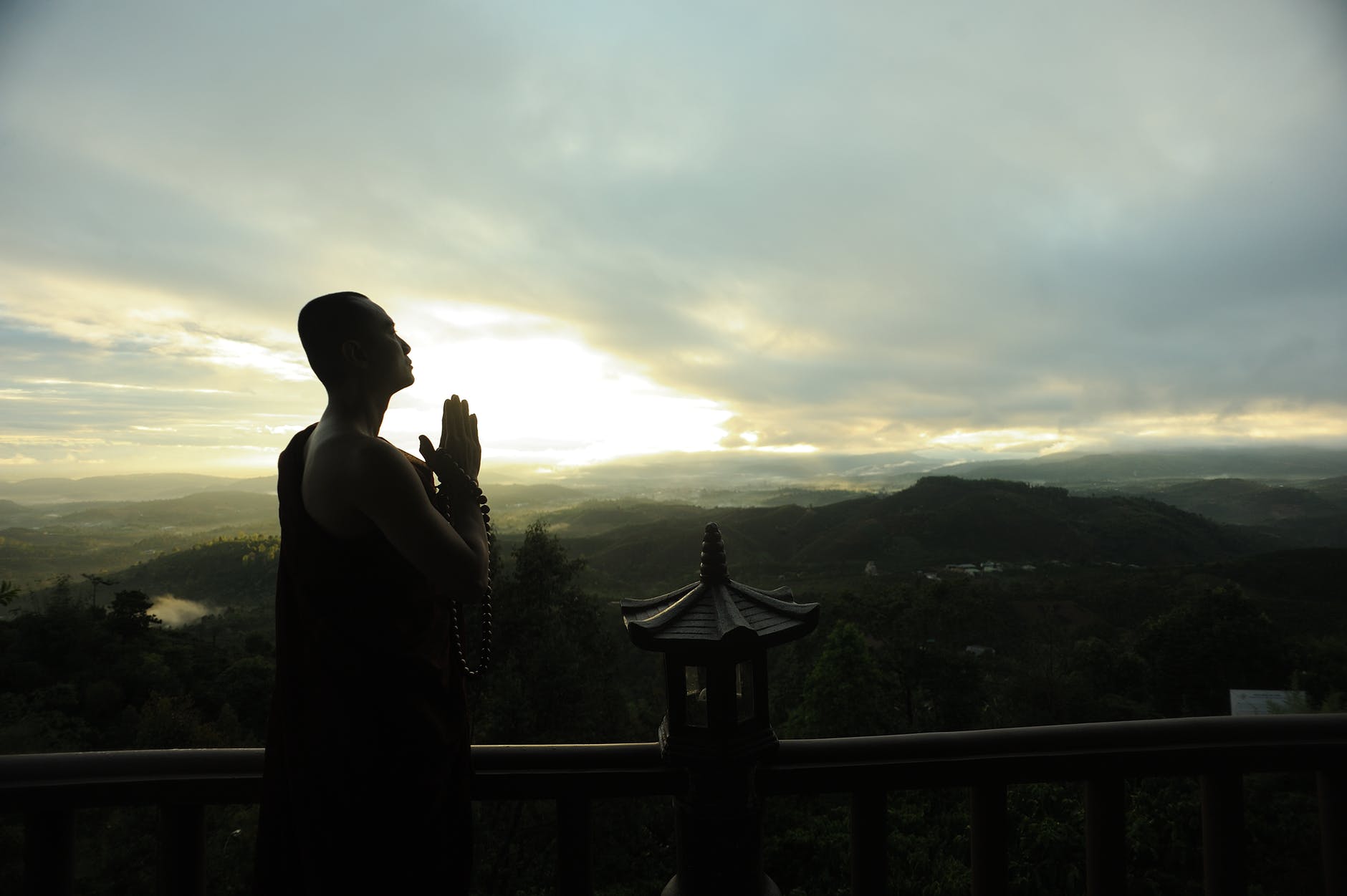
One classical definition of prayer defines it this way: “Prayer is lifting mind and heart to God.”
That means lifting up, at any given moment, exactly what’s there and not what, ideally, might be there. It would be nice if we always felt warm, reverent, altruistic, full of faith, chaste, hopeful, connected with others and nature, happy about who we are and what life has dealt us. But that isn’t the case.
We all have moments and even seasons of doubt, anger, alienation, pettiness, boredom, obsession, and tiredness. Our thoughts are not always holy and our hearts are not always warm or pure. It’s at times like this we need prayer and what we need to take to prayer is, precisely, those bitter thoughts and unholy feelings.
All thoughts and feelings are valid material for prayer. Simply put: When you go to pray, lift up what’s inside of you at that moment. If you are bored, lift up that boredom; if you are angry, lift up your anger; if you are tired, lift up that tiredness; if you feel selfish, don’t be afraid to let God see that.
To “pray always” invites us rather to live our lives against a certain horizon. It doesn’t necessarily mean to stop work and go to formal prayer, important though that is at times. The point is rather that we need to do everything within the context of a certain awareness.
Our relationship with God is the same. We need to “pray always” by doing everything out of that kind of awareness. Moreover, when we do spend time in formal prayer, we need, like children do, to tell God exactly how we feel and invite God to deal with that.
Rabbi Abraham Heschel points out how, in prayer, the great figures of scripture did not always easily acquiesce to God and say: “Thy will be done!” They sometimes fought bitterly and said: “Thy will be changed!”
That can be good prayer. It lifts mind and heart to God.
Work!
“Work, work! . . . Work! Don’t waste a moment…. Calm yourself, quiet yourself, master your senses. Work. work! Just dress in old clothes, eat simple food…. feign ignorance, appear inarticulate. This is most economical with energy, yet effective.” – Hongren
birds & berries

 Edge of Atlantic