Une difficulté est une lumière / Une difficulté insurmontable est un soleil.
A difficulty is a light/an insurmountable difficulty is a sun.
– Paul Valéry from his prose notebooks
Une difficulté est une lumière / Une difficulté insurmontable est un soleil.
A difficulty is a light/an insurmountable difficulty is a sun.
– Paul Valéry from his prose notebooks
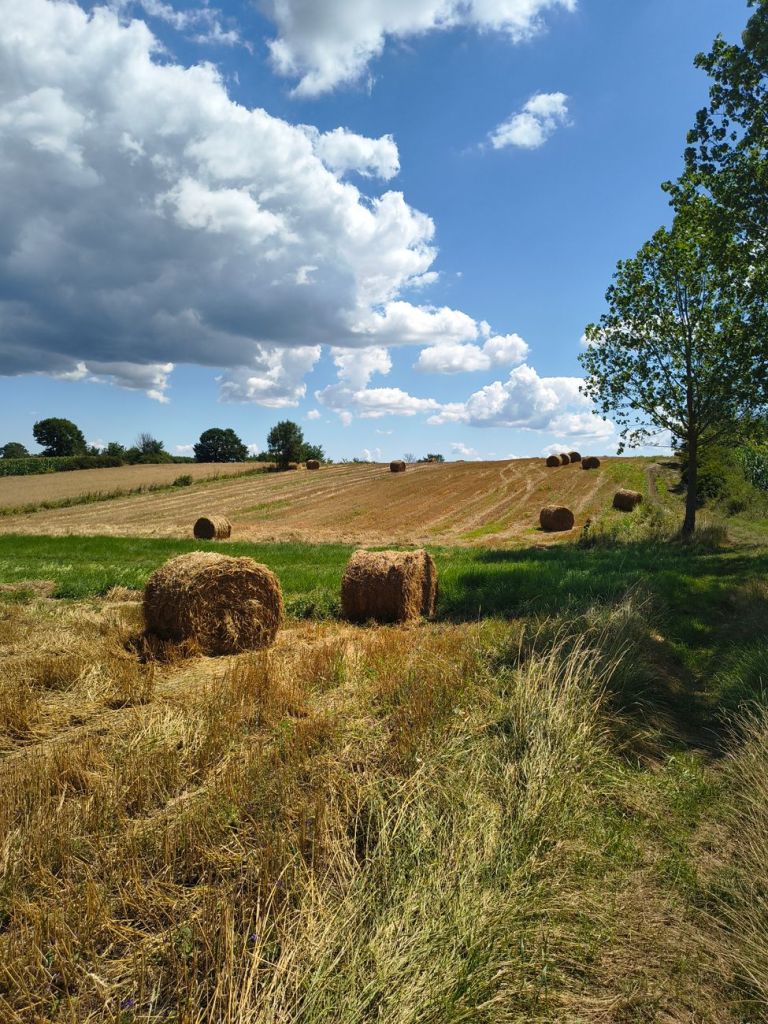
A second crop of hay lies cut
and turned. Five gleaming crows
search and peck between the rows.
They make a low, companionable squawk,
and like midwives and undertakers
possess a weird authority.
Crickets leap from the stubble,
parting before me like the Red Sea.
The garden sprawls and spoils.
Across the lake the campers have learned
to water-ski. They have, or they haven’t.
Sounds of the instructor’s megaphone
suffuse the hazy air. “Relax! Relax!”
Cloud shadows rush over drying hay,
fences, dusty lane, and railroad ravine.
The first yellowing fronds of goldenrod
brighten the margins of the woods.
Schoolbooks, carpools, pleated skirts;
water, silver-still, and a vee of geese.
*
The cicada’s dry monotony breaks
over me. The days are bright
and free, bright and free.
Then why did I cry today
for an hour, with my whole
body, the way babies cry?
*
A white, indifferent morning sky,
and a crow, hectoring from its nest
high in the hemlock, a nest as big
as a laundry basket….
In my childhood
I stood under a dripping oak,
while autumnal fog eddied around my feet,
waiting for the school bus
with a dread that took my breath away.
The damp dirt road gave off
this same complex organic scent.
I had the new books—words, numbers,
and operations with numbers I did not
comprehend—and crayons, unspoiled
by use, in a blue canvas satchel
with red leather straps.
Spruce, inadequate, and alien
I stood at the side of the road.
It was the only life I had.
aging
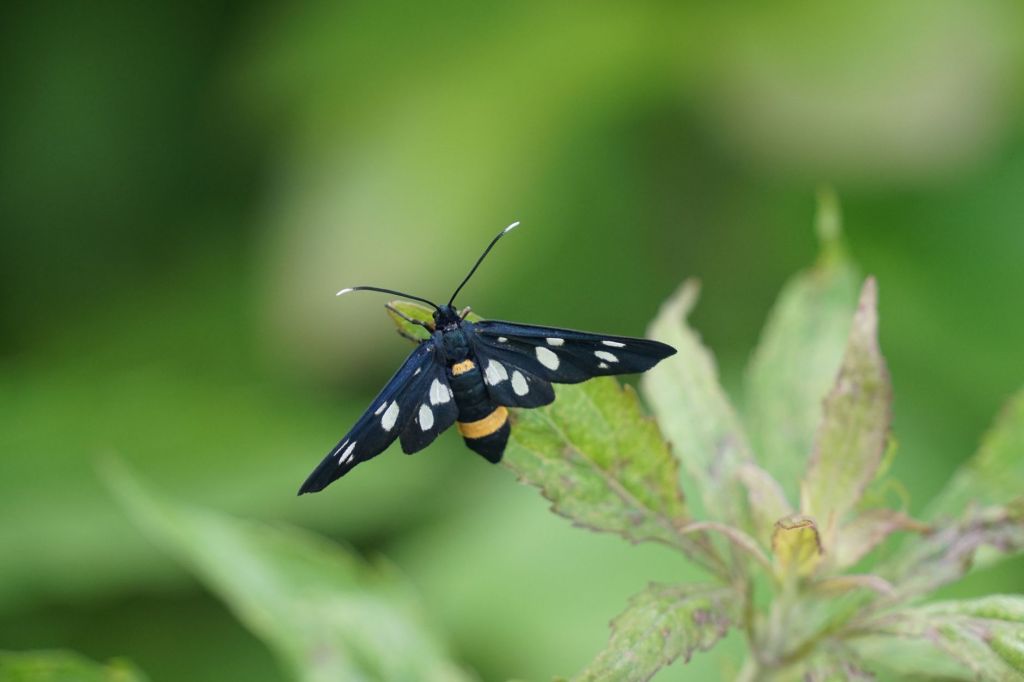
a little black moth
sleeping on a basil leaf
startled awake
flies to the trees
as if it knows
where it’s going

On the Feast of St. James the Greater
(for Joe C.)
This is where
he would have fished
imagine
him in the dark
gathering gear
stripers transfiguring
the moon’s
light he loses
all balance and
bearings thunder
muffling the dry
night sky
what we heard
is in the mist
blowing over
Ram Island
disappearing
like walks
we’ll never take
Neither your face, Higera, nor your deeds
Are known to me; and death these many years
Retains you, under grass or forest-mould.
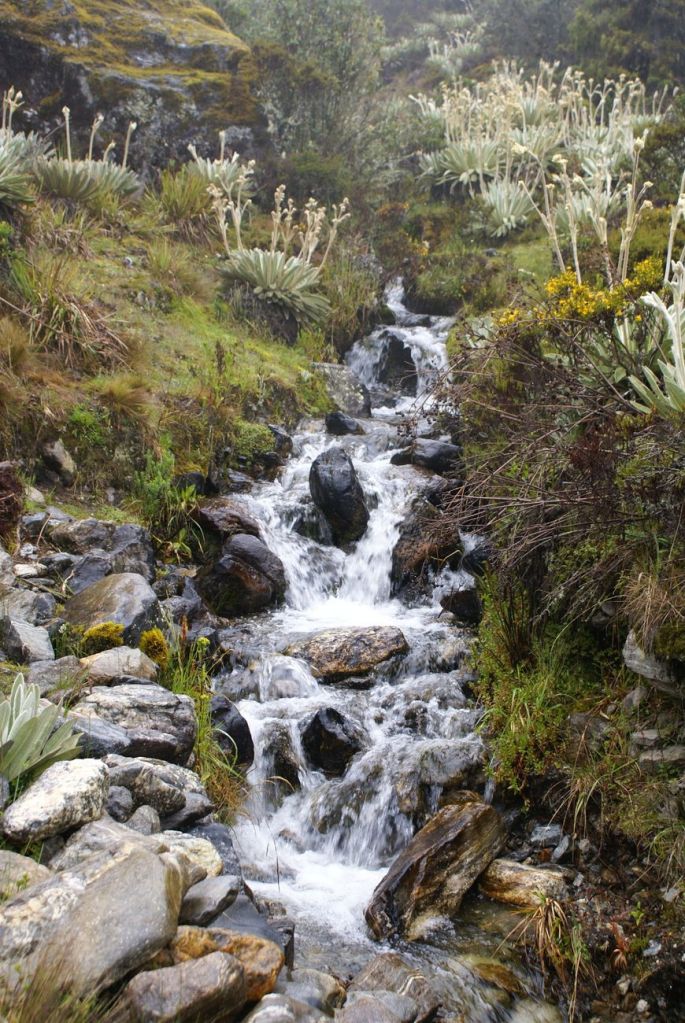
Only a rivulet bears your name: it runs
Deep-hidden in undeciduous redwood shade
And trunks by age made holy, streaming down
A valley of the Santa Lucian hills.
There have I stopped, and though the unclouded sun
Flew high in loftiest heaven, no dapple of light
Flecked the large trunks below the leaves intense,
Nor flickered on your creek: murmuring it sought
The River of the South, which oceanward
Would sweep it down. I drank sweet water there,
And blessed your immortality. Not bronze,
Higera, nor yet marble cool the thirst;
Let bronze and marble of the rich and proud
Secure the names; your monument will last
Longer, of living water forest-pure

There’s a thread you follow. It goes among
things that change. But it doesn’t change.
People wonder about what you are pursuing.
You have to explain about the thread.
But it is hard for others to see.
While you hold it you can’t get lost.
Tragedies happen; people get hurt
or die; and you suffer and get old.
Nothing you do can stop time’s unfolding.
You don’t ever let go of the thread.
In this world, hate never yet dispelled hate. Only love dispels hate. This is the law, ancient and inexhaustible. – Buddha
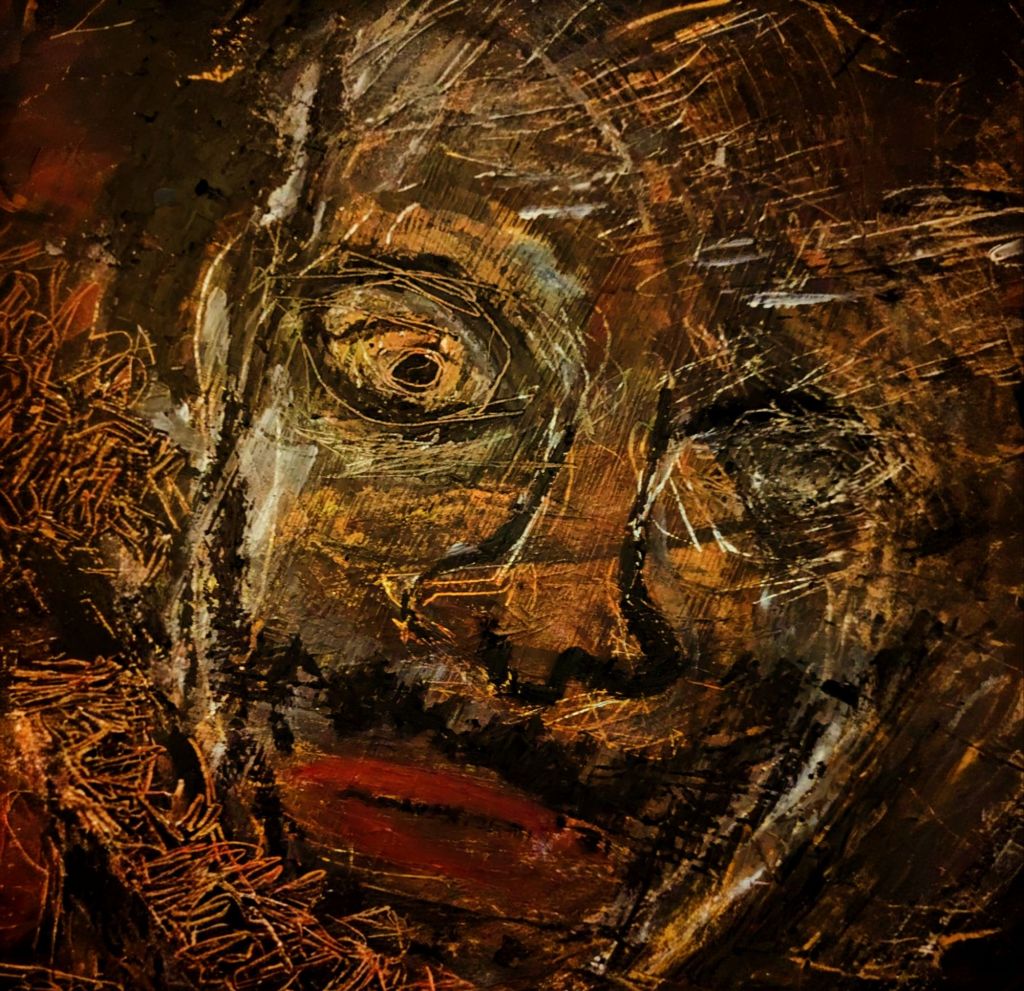
…you must say words, as long as there are any, until they find me, until they say me, strange pain, strange sin, you must go on, perhaps it’s done already, perhaps they have said me already, perhaps they have carried me to the threshold of my story, before the door that opens on my story, that would surprise me, if it opens, it will be I, it will be the silence, where I am, I don’t know, I’ll never know, in the silence you don’t know, you must go on, I can’t go on, I’ll go on.
Samuel Beckett, The Unnamable
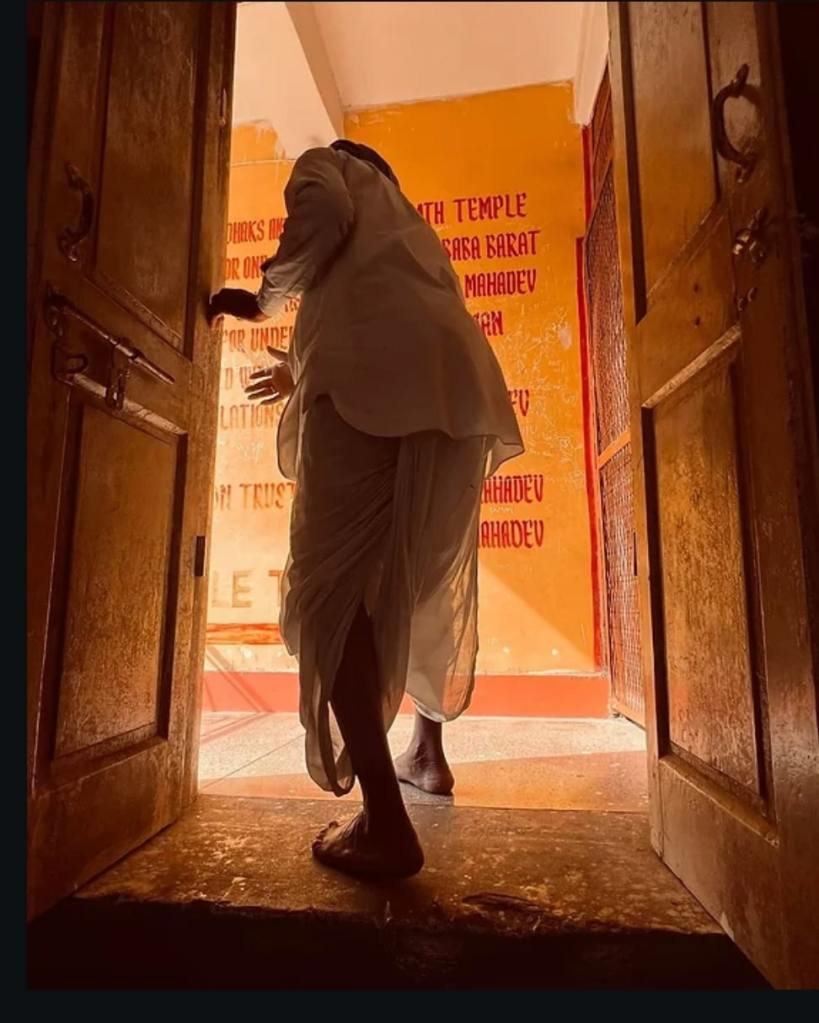
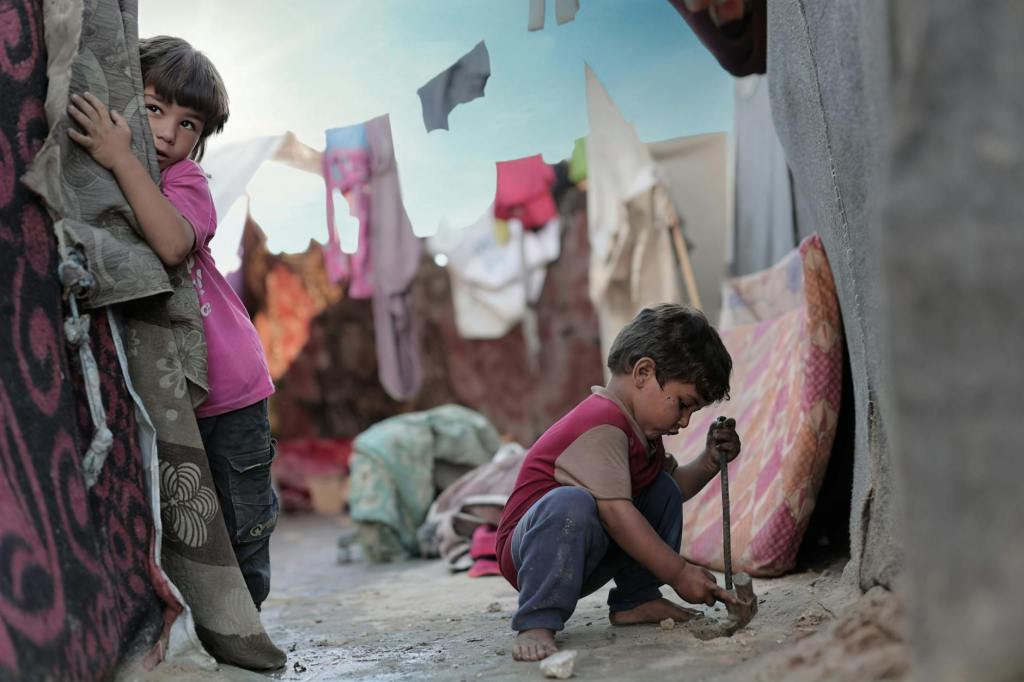
What is home:
it is the shade of trees on my way to school
before they were uprooted.
It is my grandparents’ black-and-white wedding
photo before the walls crumbled.
It is my uncle’s prayer rug, where dozens of ants
slept on wintry nights, before it was looted and
put in a museum.
It is the oven my mother used to bake bread and
roast chicken before a bomb reduced our house
to ashes.
It is the café where I watched football matches
and played—
My child stops me: Can a four-letter word hold
all of these?
 Edge of Atlantic