If you hold close to nature, to what is simple in it, to the small things people hardly see and which all of a sudden can become great and immeasurable; if you have this love for what is slight, and quite unassumingly, as a servant, seek to win the confidence of what seems poor – then everything will grow easier, more unified and somehow more conciliatory, not perhaps in the intellect, which, amazed, remains a step behind, but in your deepest consciousness, watchfulness and knowledge.
With great difficulty advancing by millimetres each year, I carve a road out of the rock. For millenniums my teeth have wasted and my nails broken to get there, to the other side, to the light and the open air. And now that my hands bleed and my teeth tremble, unsure in a cavity cracked by thirst and dust, I pause and contemplate my work. I have spent the second part of my life breaking the stones, drilling the walls, smashing the doors, removing the obstacles I placed between the light and myself in the first part of my life.
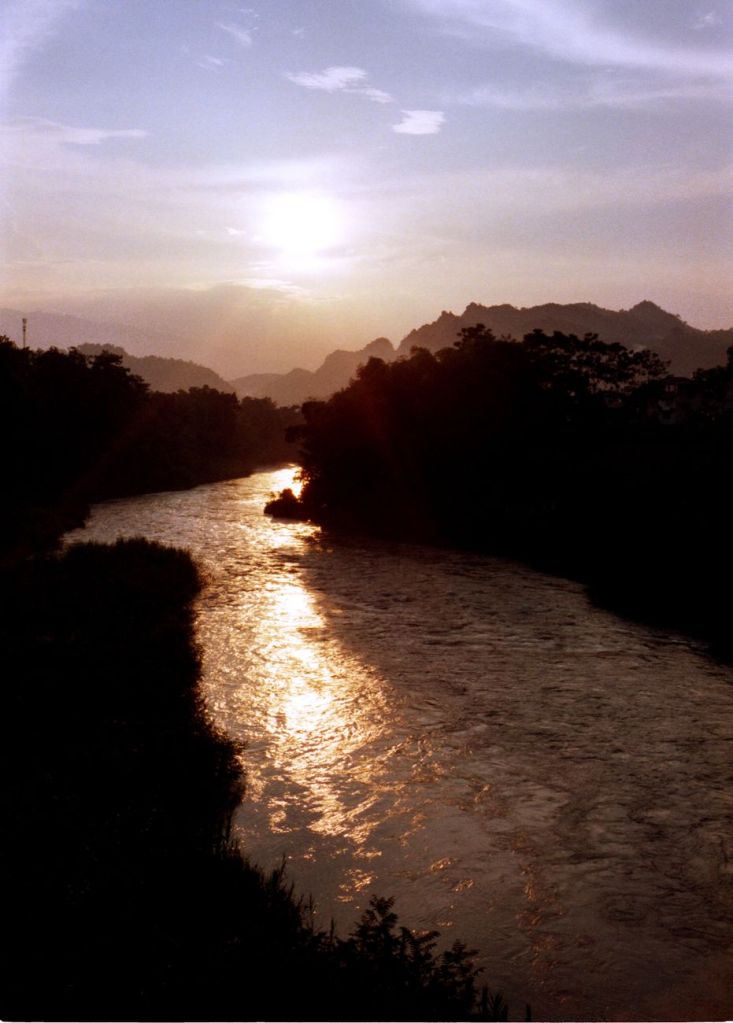
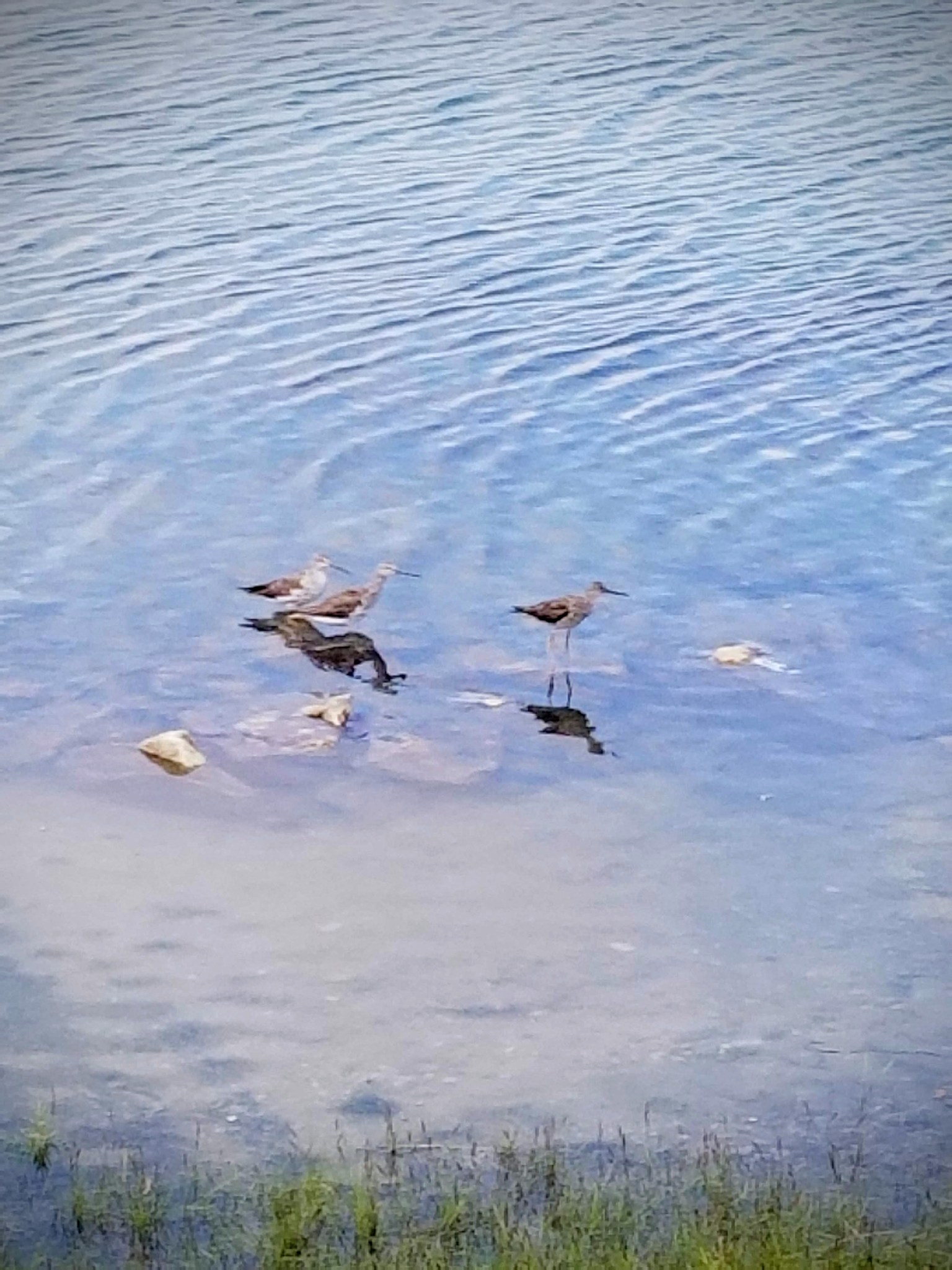
Chama River, Monastery of Christ in the Desert, Abiquiu, NM
The false self is your psychological creation of yourself in space and time. It comes from your early conditioning, family, roles, education, mind, culture, and religion. The false self is who you think you are! But thinking doesn’t make it so. The false self dies and passes away. Yet it is the raw material through which you discover your True Self in God, so you must not hate it or kill it. Just learn from it. Of itself, it does not know how to pray, because it does not understand simple presence, communion, or relationship. The false self is all about utility and “What can I get out of this?” Not bad, but very incomplete. The True Self is not created by anything you have done right or wrong. Nor can you lose it by doing anything good or bad. The True Self is not formed by adhering to any requirements; it’s about relationship itself—the quality and capacity for connection. Only the True Self can pray. The false self will say prayers but the True Self is a prayer and looks out at reality from a different pair of eyes larger than its own. This is why in Ephesians it can say “pray always” (6:18). We pray always whenever we act in conscious and loving union with things—which eventually can be all the time. Then whatever you do is a prayer, not a recited prayer but a full-bodied, bigger-than-mind, contemplative prayer. When you are in your True Self, your prayer and your breath are the same thing. – R. Rohr
But in an old man who has known human joys and sorrows, and has achieved whatever work it was in him to do, the fear of death is somewhat abject and ignoble.The best way to overcome it—so at least it seems to me—is to make your interests gradually wider and more impersonal, until bit by bit the walls of the ego recede, and your life becomes increasingly merged in the universal life. An individual human existence should be like a river: small at first, narrowly contained within its banks, and rushing passionately past rocks and over waterfalls. Gradually the river grows wider, the banks recede, the waters flow more quietly, and in the end, without any visible break, they become merged in the sea, and painlessly lose their individual being.
There is no wealth but life. Life, including all its powers of love, of joy, and of admiration. That country is richest which nourishes the greatest number of noble and happy human beings.
Authentic freedom and love will not be captured by attachment. Therefore, the journey homeward does not lead toward new, more sophisticated addictions. If it is truly homeward, it leads toward liberation from addiction altogether. Obviously, it is a lifelong process… There is a strange sadness in this growing freedom. Our souls may have been scarred […]
“To say that the world is not worth anything, that this life is of no value and to give evil as the proof is absurd, for if these things are worthless what does evil take from us?
Thus the better we are able to conceive of the fullness of joy, the purer and more intense will be our suffering in affliction and our compassion for others. What does suffering take from him who is without joy?
And if we conceive the fullness of joy, suffering is still to joy what hunger is to food.
It is necessary to have had a revelation of reality through joy in order to find reality through suffering. Otherwise life is nothing but a more or less evil dream,” – Simone Weil, Gravity and Grace.




 Edge of Atlantic