And so I go on trying to walk…

And so I go on trying to walk on the waters of the breakdown. Worse than ever before and better than ever before. It is always painful and reassuring when he who I am not is visibly destroyed by the hand of God in order that the simplicity in the depths of me, which is His image, may be set free to serve Him in peace. – Thomas Merton, journal entry October 22, 1952

three new poems from New Mexico

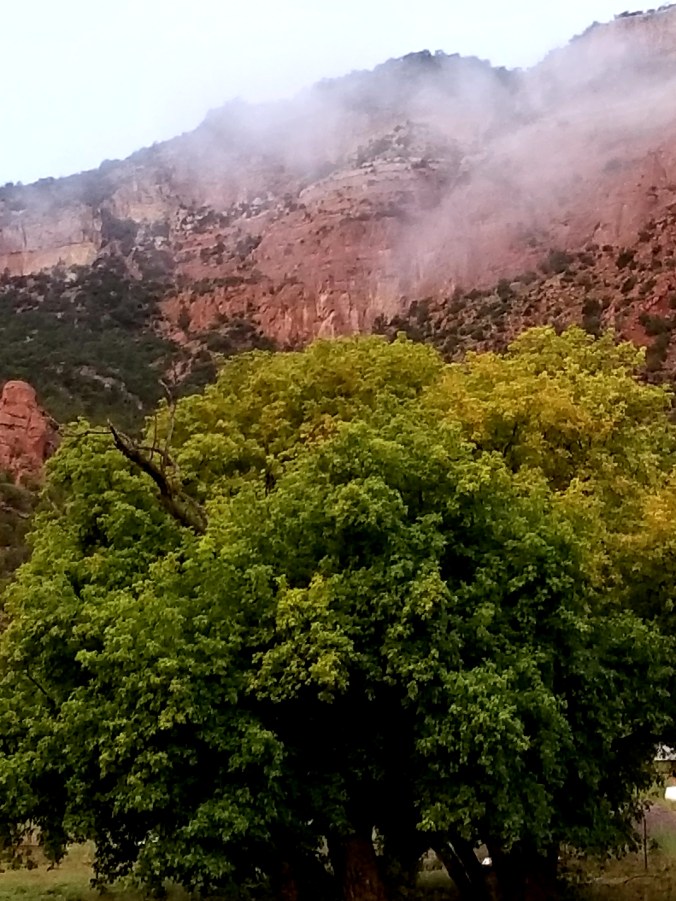
Smoke

smoke in Chama Canyon
surrounds me like the ghosts
of all the dead I’ve ever known

somewhere close a lone cow bellows
echoes sound far upriver

in the dusk her calf replies
too late too late
from the other side
20180920_074441.jpg


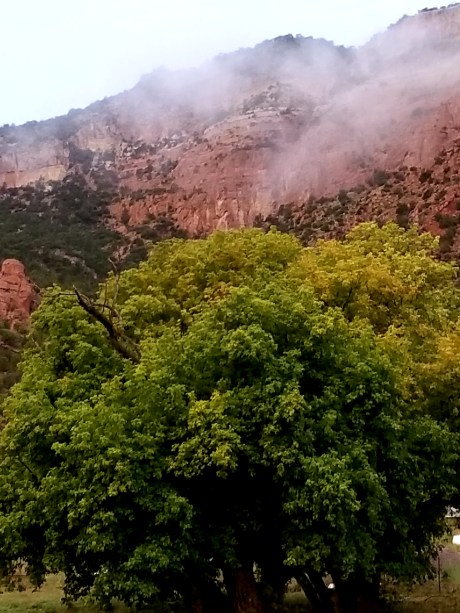
Morning – Chama River
For you are mist that appears for a little while
and then vanishes.  – James 4:14

the silence
of breaking clouds

the little ones hiding
in side canyons

breaking free
above the river

a raven laughs
and drops a feather

2018_09_22_08_22_31_758_pic.png


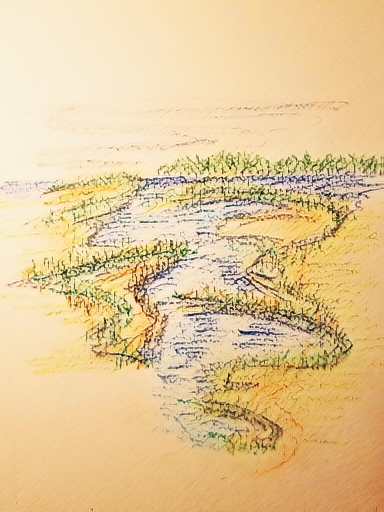
Evening – Chama River

Love means to learn to look at yourself
The way one looks at distant things
– Czelslaw Milosz

Pulling back the blankets tonight
I found a small cricket
quiet and shy
hiding under my pillow.

Oh, I know better.
Like me, though, it seemed alone
and in need of a companion
to get through the dark alive.

So, I’ll awaken before dawn
and give thanks if we’re still here
like the moths that flew to the light just now
when I opened the door to check for rain.

2018_09_22_08_27_42_390_pic.png

Simply relaxing one’s hands…

In the face of significant addiction, our degree of choice may seem small; simply relaxing one’s hands may seem too passive. As we shall see, however, this simple choice may be the greatest kind of struggle any human being can face, and it may call forth the greatest courage and dedication. – Gerald May, Addiction and Grace


Pema Chodron on shenpa – the hook, the urge to indulge the addiction

So we could also call shenpa “the urge”—the urge to smoke that cigarette, to overeat, to have another drink, to indulge our addiction whatever it is. Sometimes shenpa is so strong that we’re willing to die getting this short-term symptomatic relief. The momentum behind the urge is so strong that we never pull out of the habitual pattern of turning to poison for comfort. It doesn’t necessarily have to involve a substance; it can be saying mean things, or approaching everything with a critical mind. That’s a major hook. Something triggers an old pattern we’d rather not feel, and we tighten up and hook into criticizing or complaining. It gives us a puffed-up satisfaction and a feeling of control that provides short-term relief from uneasiness.

Those of us with strong addictions know that working with habitual patterns begins with the willingness to fully acknowledge our urge, and then the willingness not to act on it. This business of not acting out is called refraining. Traditionally it’s called renunciation. What we renounce or refrain from isn’t food, sex, work or relationships per se. We renounce and refrain from the shenpa. When we talk about refraining from the shenpa, we’re not talking about trying to cast it out; we’re talking about trying to see the shenpa clearly and experiencing it. If we can see shenpa just as we’re starting to close down, when we feel the tightening, there’s the possibility of catching the urge to do the habitual thing, and not doing it.

selective focus of stainless steel hook

Photo by Steve Johnson on Pexels.com

#662 – o september

I had lunch today with old friends (they had the $23 lobster roll…I had a cheeseburger). We talked and laughed about our days – 40 years ago – as reporters for the Lewiston Daily Sun, the “morning” paper published in Lewiston, Maine. Back then, there was a morning paper and an (inferior) evening paper. I showed off photos of grandchildren; we talked about traveling; Taos, Santa Fe, St. Augustine, Savannah. I learned there is a band in Russia called Salem’s Lot. We finished lunch, walked a ways, sat on a bench, talked and watched waves breaking on the rocks of Perkins Cove. And there was a hint of a chill in the air.

On my drive home, I noticed some of the leaves have begun to change color.

O September.20180912_180856.jpg


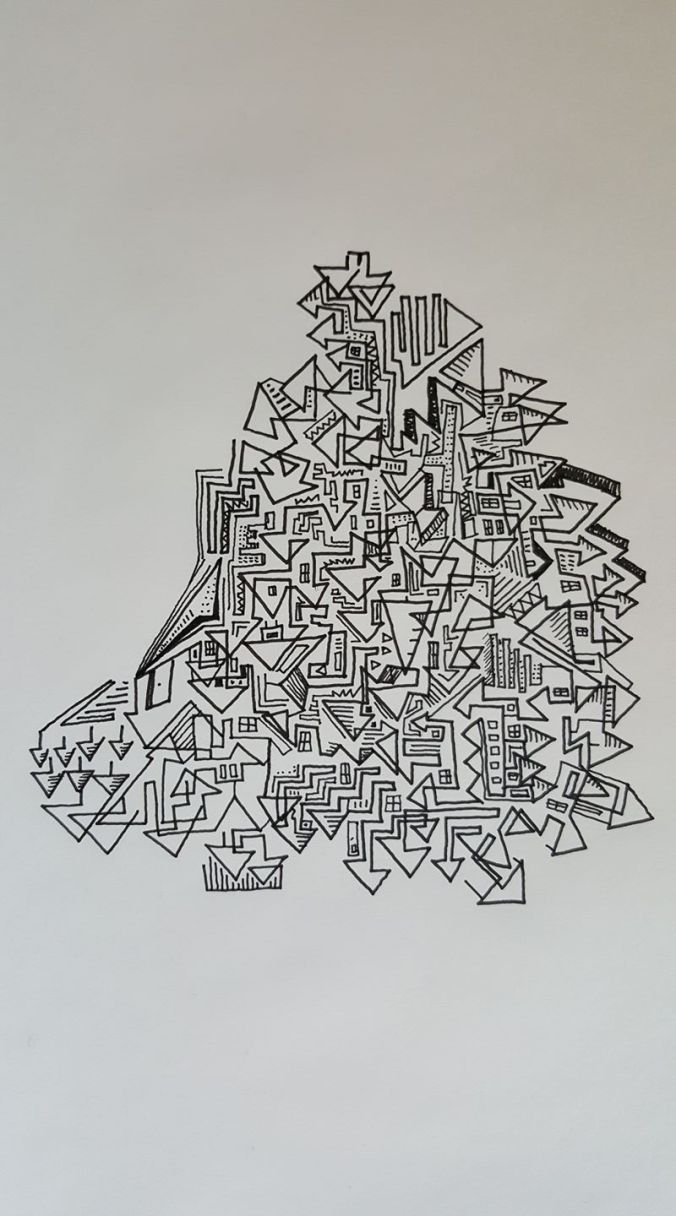
fragmented, confused, and erratic

Henri Nouwen – The great danger of the turmoil of the end-time in which we live is losing our souls. Losing our souls means losing touch with our center, our true call in life, our mission, our spiritual task. Losing our soul means becoming so distracted by and preoccupied with all that is happening around us that we end up fragmented, confused, and erratic. Jesus is very aware of that danger. He says: “Take care not to be deceived, because many will come using my name and saying, ‘I am the one’ and ‘The time is near at hand’ Refuse to join them” (Luke 21:8).

16716122_10206485920265958_7687195154280466815_o