When we give a thing a name we imagine we have got hold of it. We imagine that we have got hold of being. Perhaps we should do better not to flatter ourselves too soon that we can name God.
–Gregory of Nyssa
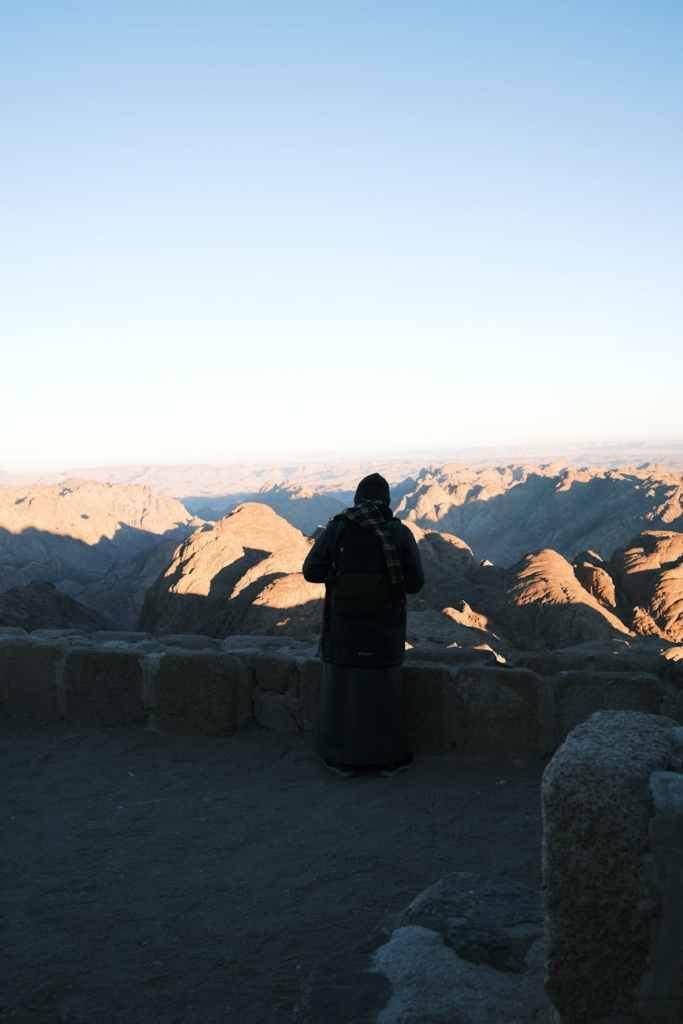
When we give a thing a name we imagine we have got hold of it. We imagine that we have got hold of being. Perhaps we should do better not to flatter ourselves too soon that we can name God.
–Gregory of Nyssa
We are saved in the end by the things that ignore us. Their presence awakens silence in us. They refresh our courage with the purity of their detachment. – Andrew Harvey
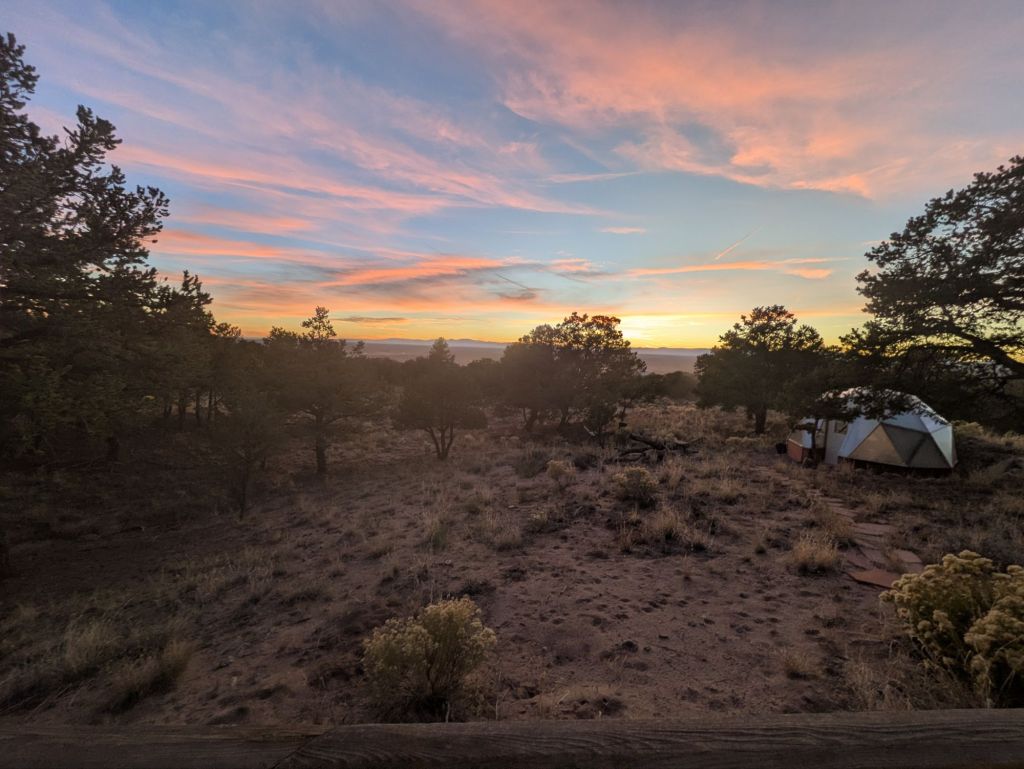
If you see someone going up to heaven by his own will, grab his leg and pull him down again.
– John Kolobos, one of the desert fathers
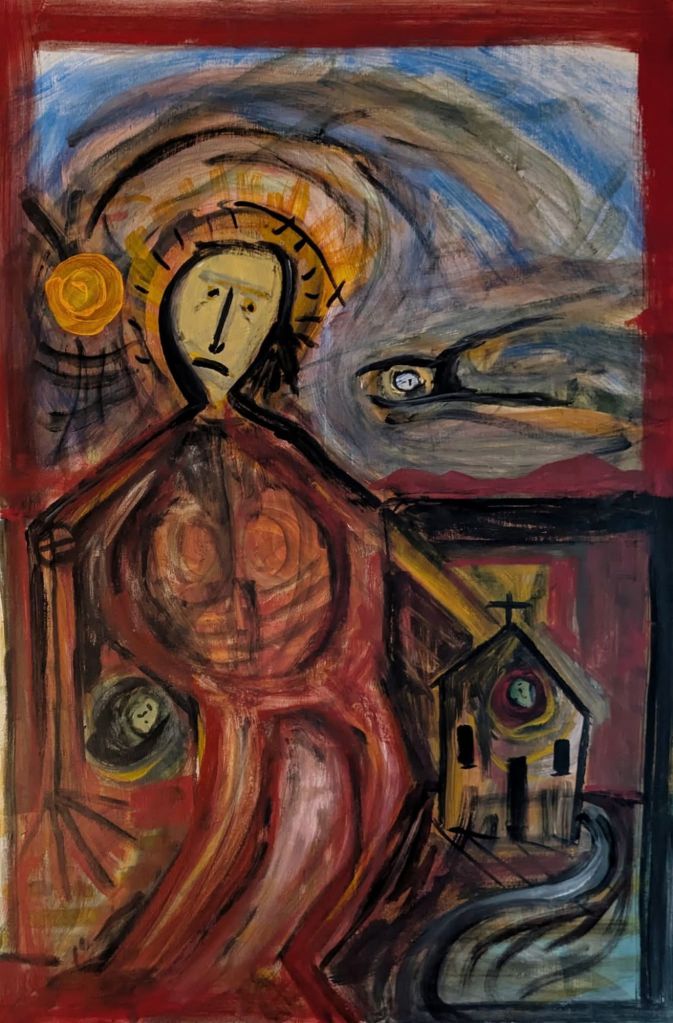
…anyone who is struggling with depression, addiction; anyone who may be giving up, suicidal or self-harming.
I know you. I think I know what you are going through. I’ve been there.
Nine years ago on December 22, 2016, a cold, icy day, with freezing rain pouring down, I pulled into my garage thinking it would be a good time for me to die there. I was so turned around and struggling to recover from addictions, the darkness of the winter solstice seemed to have found a home within me.
After what felt like hours, I realized that my plan was selfish and would only serve to hurt the people–family, friends–who had been caring for me, carrying me until I could get back on my feet. I reached out to people, wise friends and family, who gave me good orderly direction. They told me to listen to the professionals who, without hesitation, were there to guide me.
I spent Christmas and several days after in a mental hospital, a place where I found rest and a sense of peace that I hadn’t felt for several years. I’m not saying that the path was easy, far from it. But I was on a different path in a different direction.
Kenosis is a theological term. In short, it means that we empty our own will and become entirely receptive to God’s will for us. The God that I came to know and hear was not a Catholic or Christian God, not Allah, not Yahweh, not Buddha but an internal light that shone on my place in the unified field of existence.
Over time I learned to listen to the wisdom of others who had lived through similar experiences, no longer trying to control the direction of my life.
So today I bless you and pray you can make the turn to life, the life you are meant to live.
If you are interested in a completely anonymous chat, please contact me.
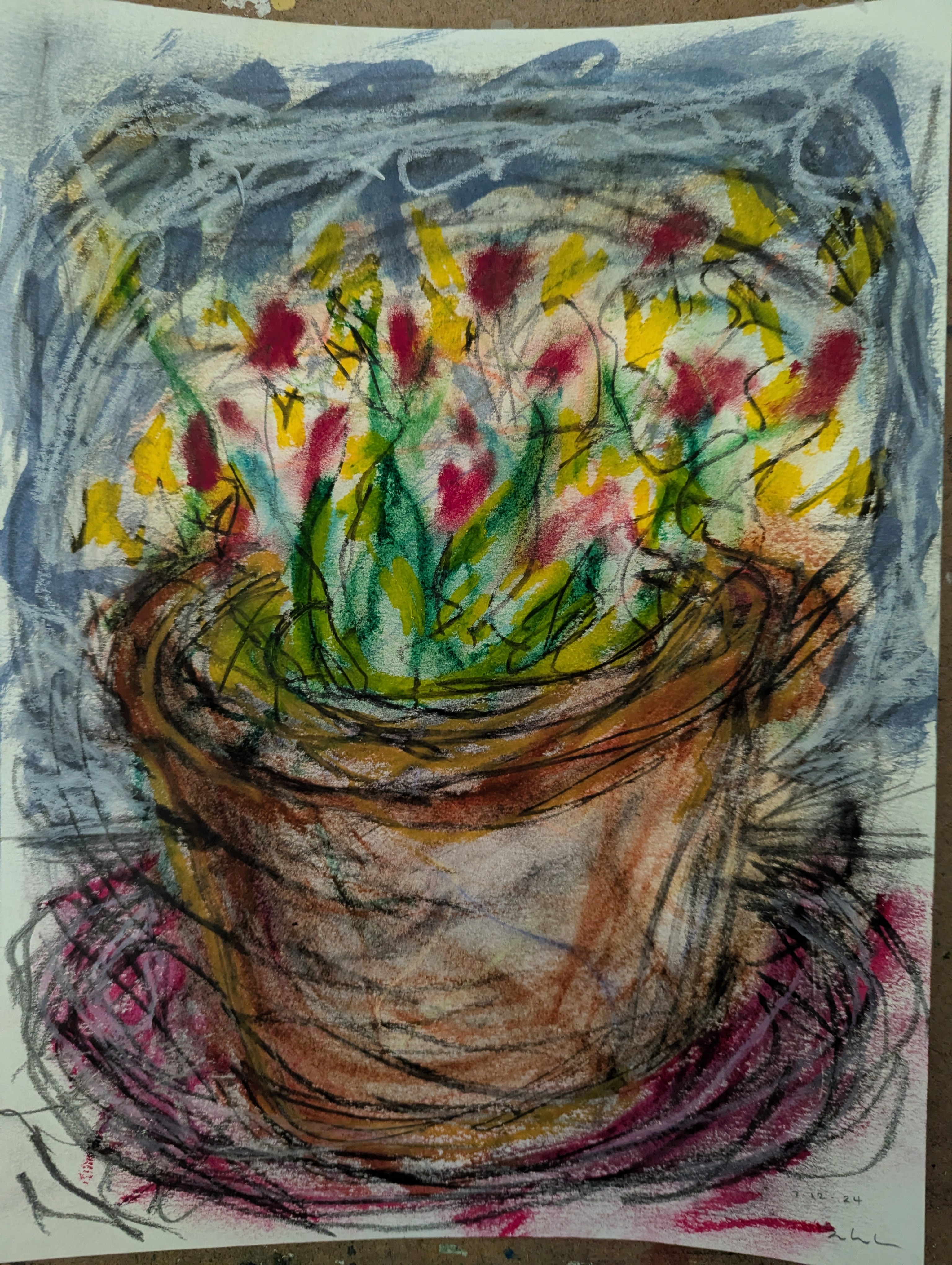
My world in December 2016:
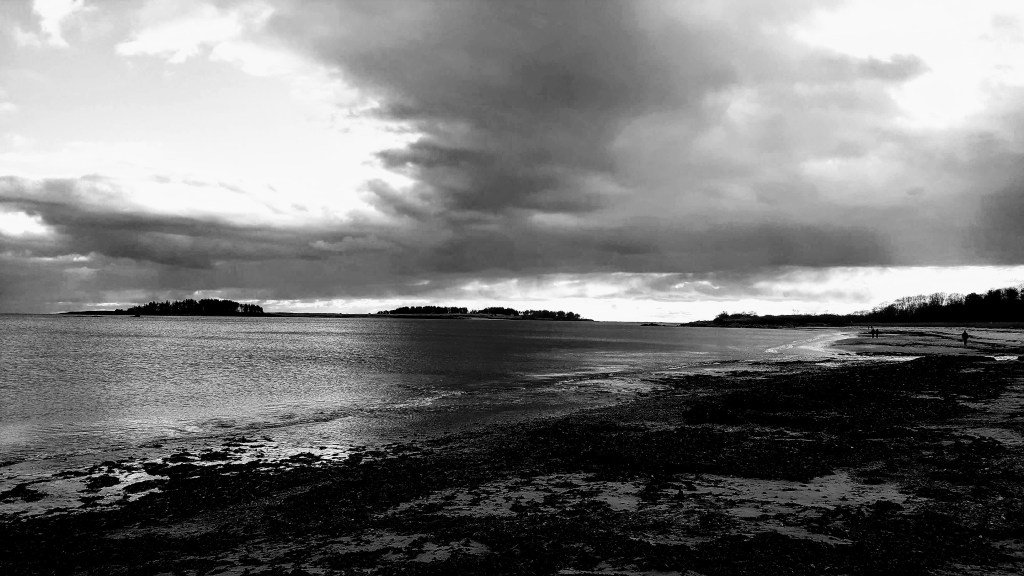
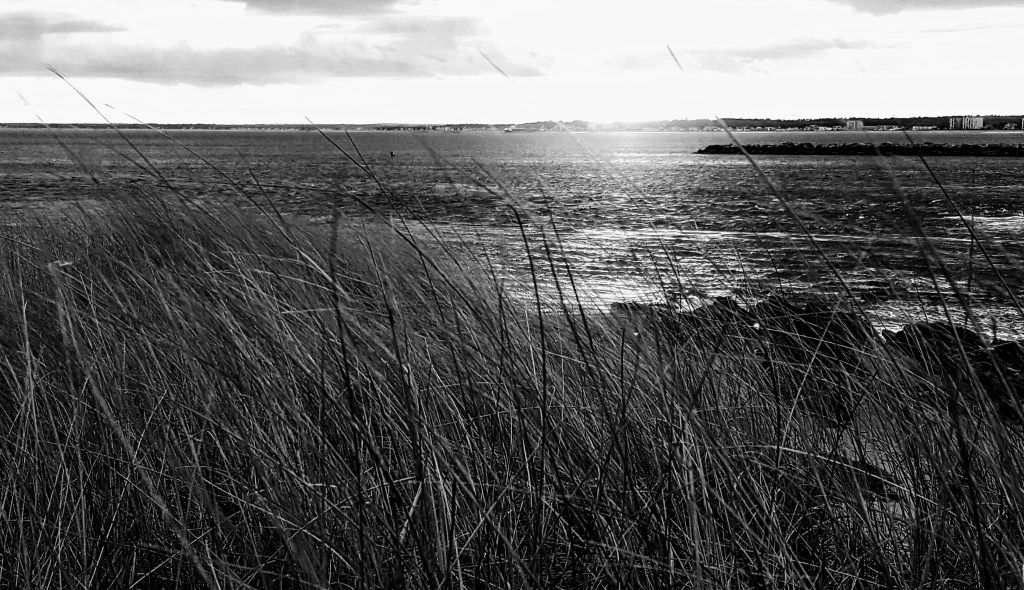
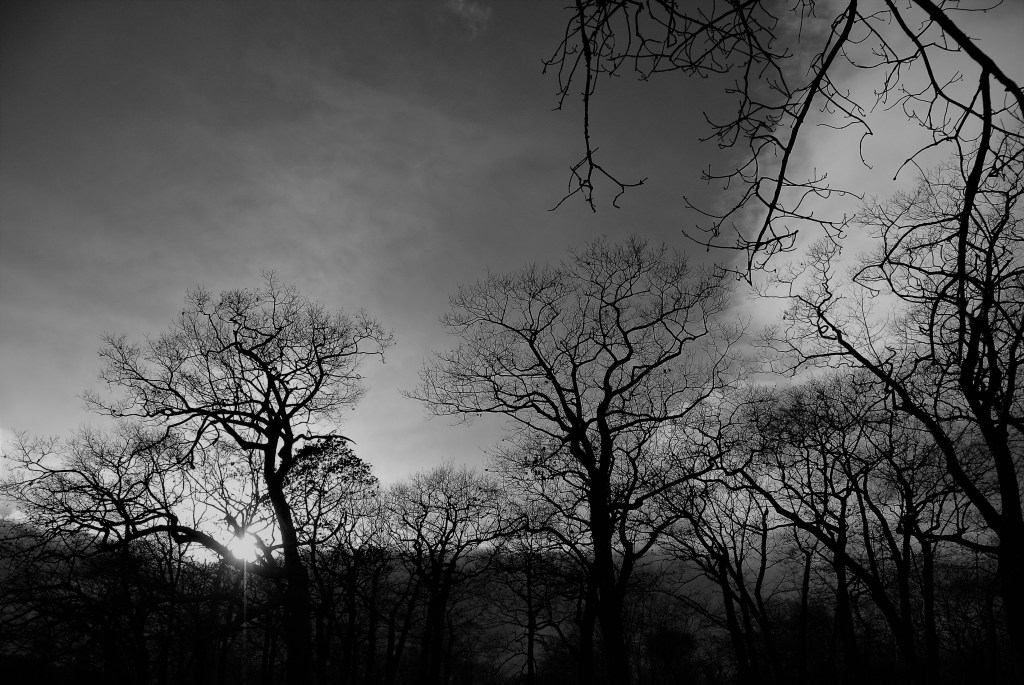
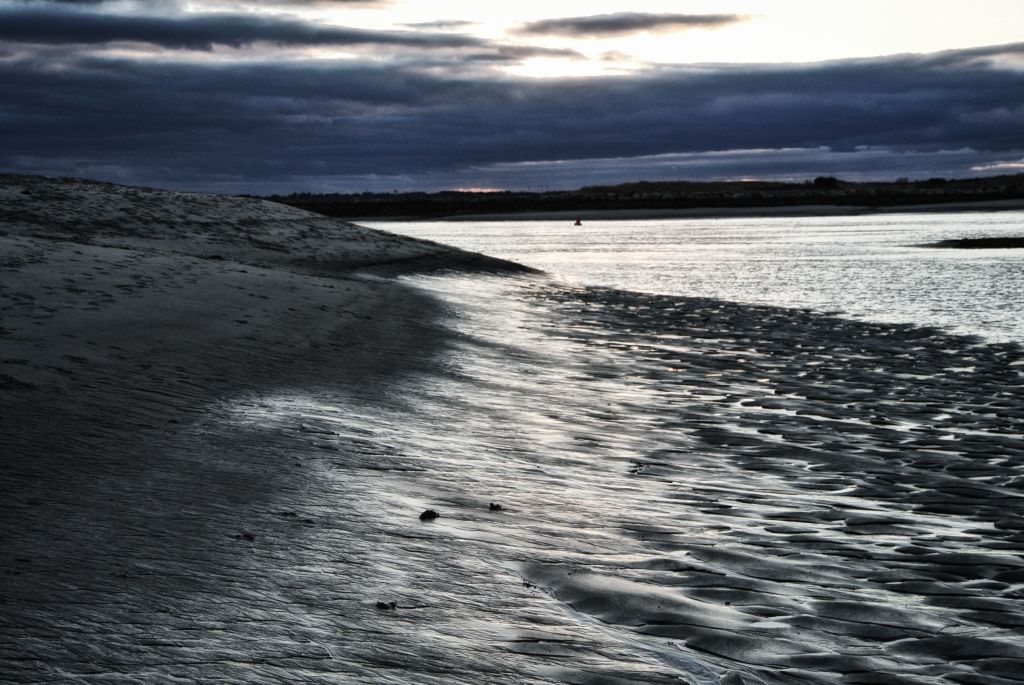
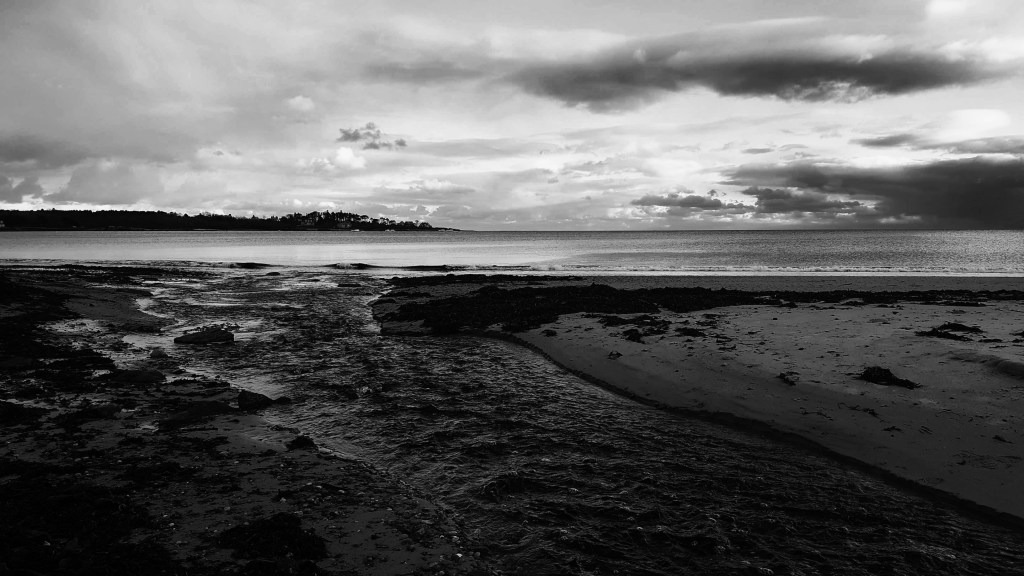
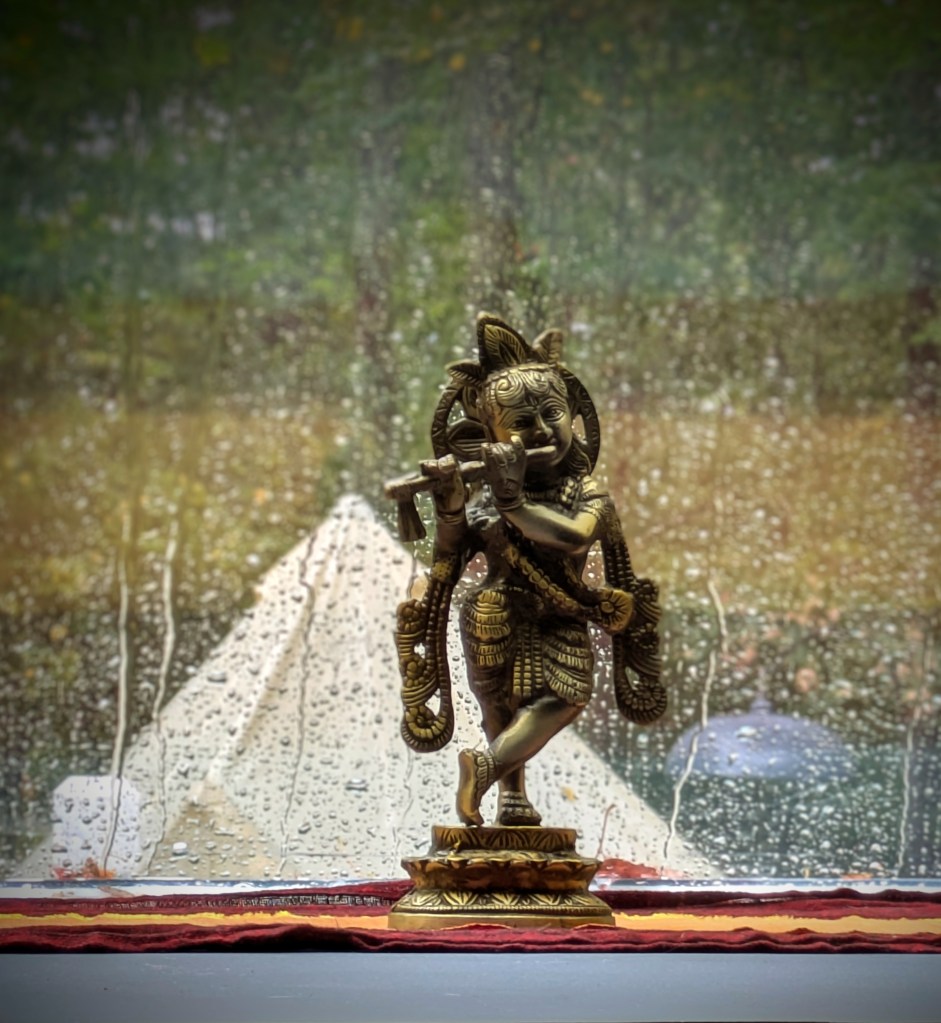
My world today

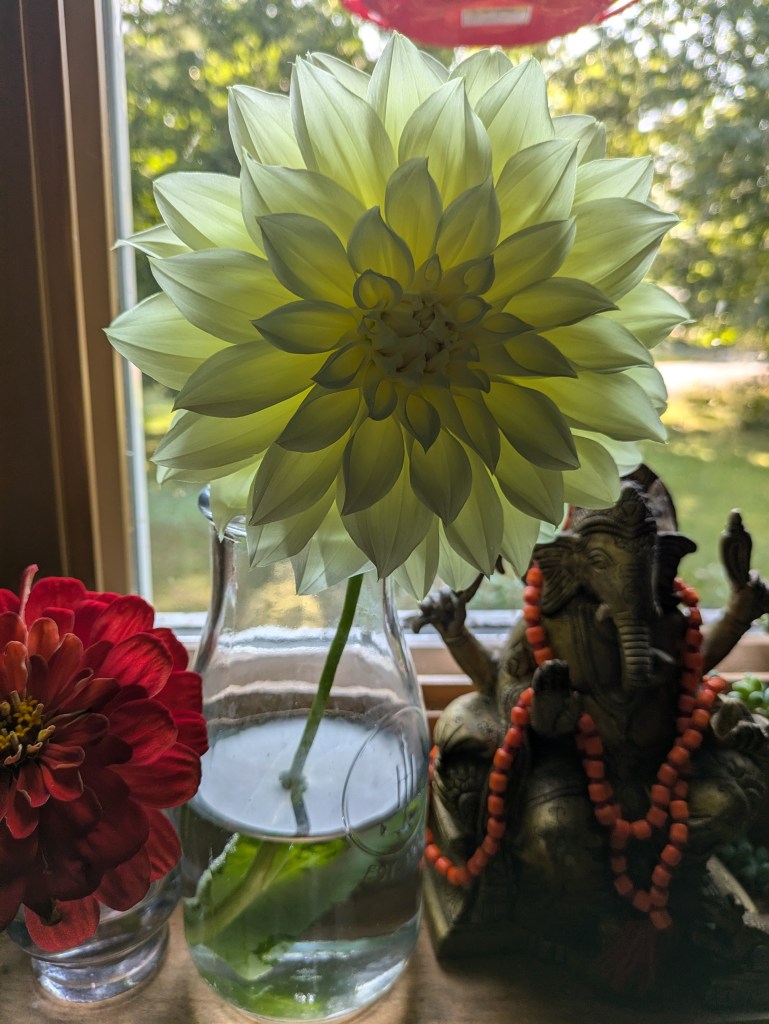
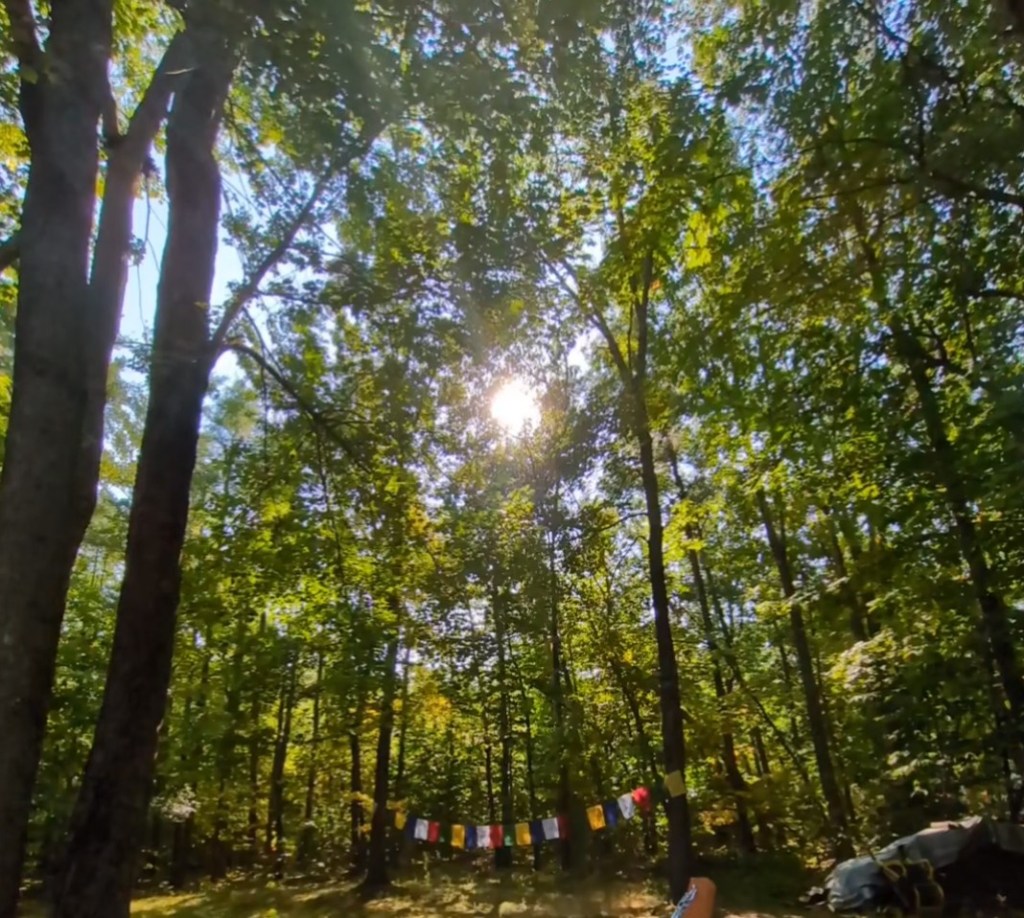
On this day when the earth begins to turn towards the light, I wish you peace and all good things.
All paths lead nowhere, so choose a path with heart. – Don Juan

The sky puts on the darkening blue coat
held for it by a row of ancient trees;
you watch: and the lands grow distant in your sight,
one journeying to heaven, one that falls;
and leave you, not at home in either one,
not quite so still and dark as the darkened houses,
not calling to eternity with the passion of what becomes a star each night, and rises;
and leave you (inexpressibly to unravel)
your life, with its immensity and fear,
so that, now bounded, now immeasurable,
it is alternately stone in you and star.
Translated by Stephen Mitchell

H. Nouwen –
Many voices ask for our attention. There is a voice that says, “Prove that you are a good person.” Another voice says, “You’d better be ashamed of yourself.” There also is a voice that says, “Nobody really cares about you,” and one that says, “Be sure to become successful, popular, and powerful.” But underneath all these often very noisy voices is a still, small voice that says, “You are my Beloved, my favor rests on you.” That’s the voice we need most of all to hear. To hear that voice, however, requires special effort; it requires solitude, silence, and a strong determination to listen.
That’s what prayer is. It is listening to the voice that calls us “my Beloved.
You are wise enough to understand that being “a little lonely” is not a bad thing. A writer’s occupation is one of the loneliest in the world, even if the loneliness is only an inner solitude and isolation, for that he must have at times if he is to be truly creative. And so I believe only the person who knows and is not afraid of loneliness should aspire to be a writer. But there are also rewards that are rich and peculiarly satisfying. – Rachel Carson

Our being is not to be enriched merely by activity and experience as such. Everything depends on the quality of our acts and our experiences. A multitude of badly performed actions and of experiences only half-lived exhausts and depletes our being. By doing things badly we make ourselves less real. This growing unreality cannot help but make us unhappy and fill us with a sense of guilt. But the purity of our conscience has a natural proportion with the depth of our being and the quality of our acts: and when our activity is habitually disordered, our malformed conscience can think of nothing better to tell us than to multiply the quantity of our acts, without perfecting their quality. And so we go from bad to worse, exhaust ourselves, empty our whole life of all content, and fall into despair.
There are times, then, when in order to keep ourselves in existence at all we simply have to sit back for a while and do nothing. And for a man who has let himself be drawn completely out of himself by his activity, nothing is more difficult than to sit still and rest, doing nothing at all. The very act of resting is the hardest and most courageous act he can perform: and often it is quite beyond his power.
We must first recover the possession of our own being.
– Thomas Merton
 Edge of Atlantic