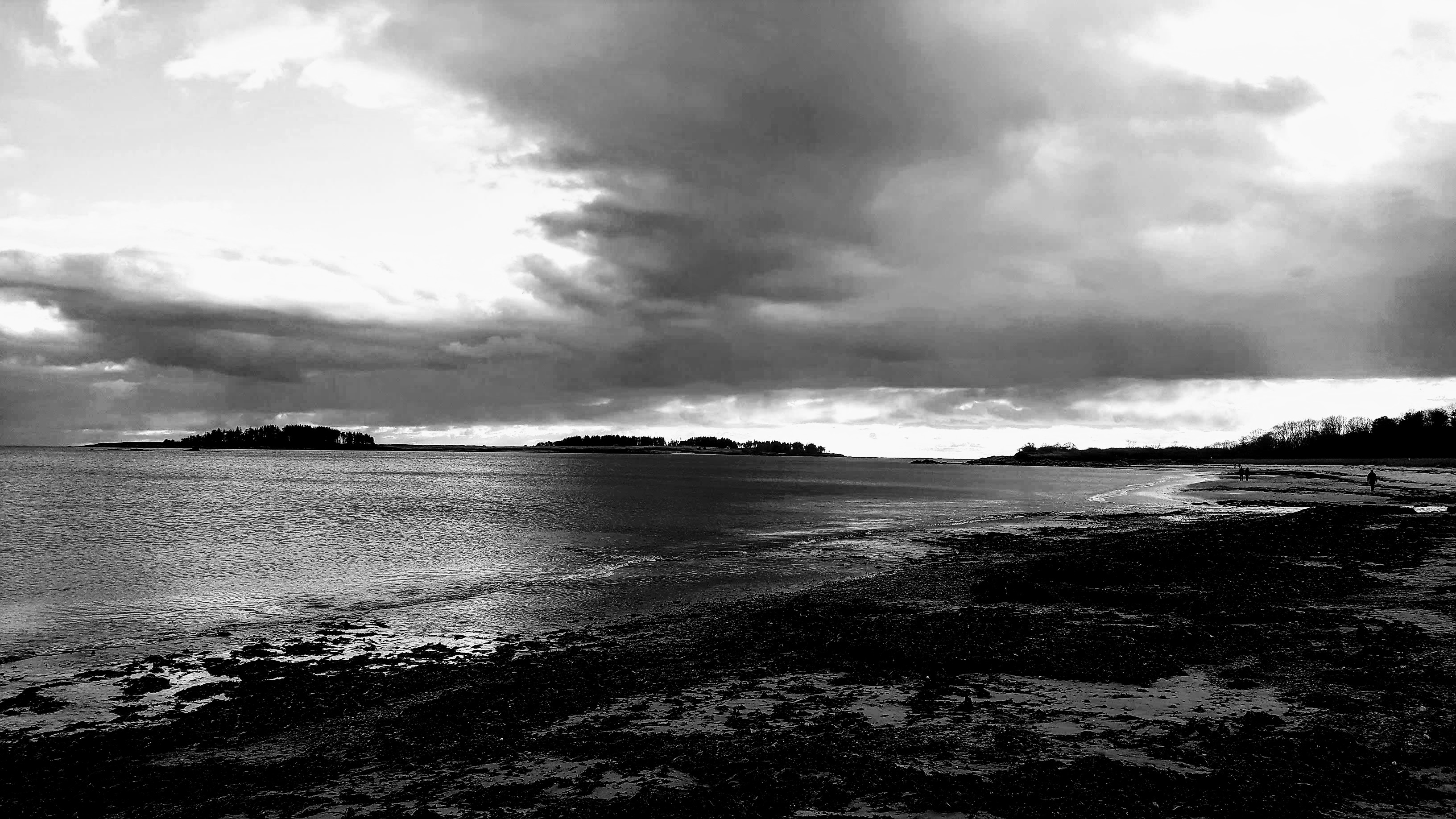
how did you find me here?
No matter how far you go down a wrong road, turn back. – Turkish proverb
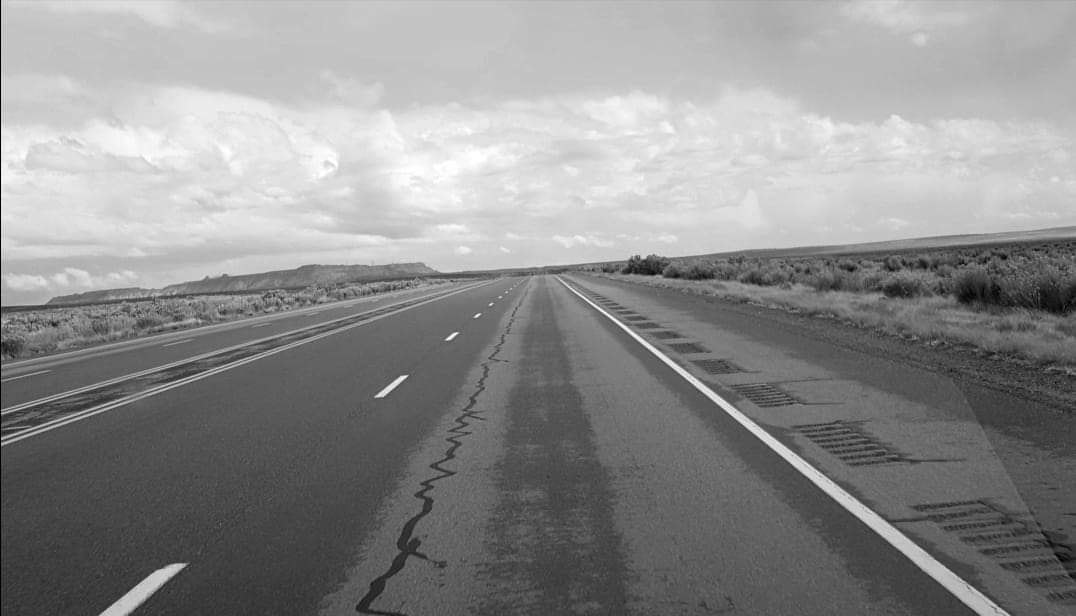 photo: New Mexico, September 2017
Plum Trees
The blossoming plums are a comforting sight,
they understand I am heavy with wine
– Chiang K’uei
do you recall
when I planted plum trees
to the east of our home
and dusk promised us
a life still
as a Chinese scroll
yet later in darkness
I turned away
and seemed to sleep
so many winters
my head heavy
my plum trees gone
Fear, shame, and guilt often make us stay in our isolation and prevent us from realizing that our handicap, whatever it is, can always become the way to an intimate and healing fellowship in which we come to know one another as humans. After all, everyone shares the handicap of mortality. Our individual, physical, emotional, and spiritual failures are but symptoms of this disease. Only when we use these symptoms of mortality to form a fellowship of the weak can hope emerge. It is in the confession of our brokenness that the real strength of new and everlasting life can be affirmed and made visible. – Henri Nouwen
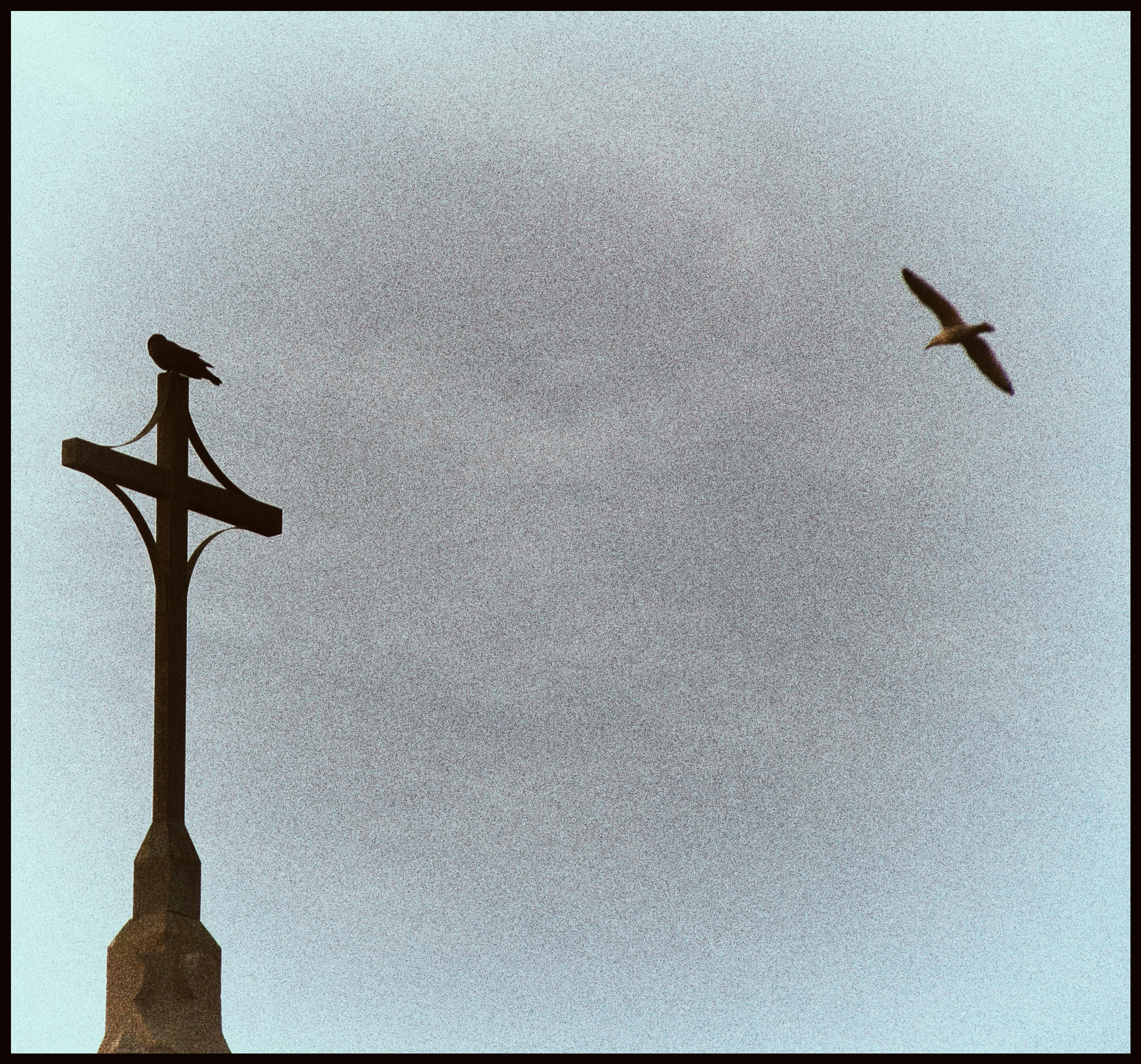 Photo: Portland, ME – November 2017
So we could also call shenpa “the urge”—the urge to smoke that cigarette, to overeat, to have another drink, to indulge our addiction whatever it is. Sometimes shenpa is so strong that we’re willing to die getting this short-term symptomatic relief. The momentum behind the urge is so strong that we never pull out of the habitual pattern of turning to poison for comfort. It doesn’t necessarily have to involve a substance; it can be saying mean things, or approaching everything with a critical mind. That’s a major hook. Something triggers an old pattern we’d rather not feel, and we tighten up and hook into criticizing or complaining. It gives us a puffed-up satisfaction and a feeling of control that provides short-term relief from uneasiness.
Those of us with strong addictions know that working with habitual patterns begins with the willingness to fully acknowledge our urge, and then the willingness not to act on it. This business of not acting out is called refraining. Traditionally it’s called renunciation. What we renounce or refrain from isn’t food, sex, work or relationships per se. We renounce and refrain from the shenpa. When we talk about refraining from the shenpa, we’re not talking about trying to cast it out; we’re talking about trying to see the shenpa clearly and experiencing it. If we can see shenpa just as we’re starting to close down, when we feel the tightening, there’s the possibility of catching the urge to do the habitual thing, and not doing it.

Photo by Steve Johnson on Pexels.com
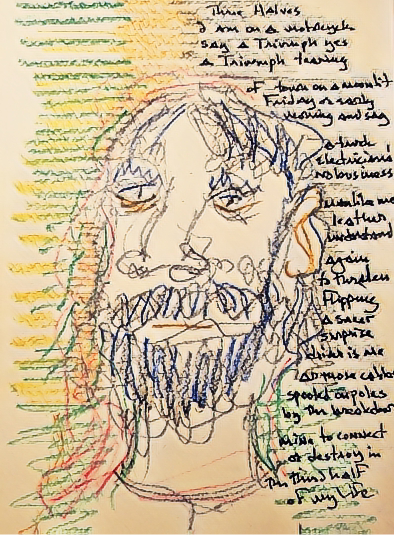
Some days it isn’t pretty or inspirational. Some days it takes more than books, more than quotes, more than walks and fresh air. Some days take more than friends, phone calls, texts.
Some days you just want to make it to the end – to sleep. Some days, I don’t know why, you just show up with the whitest knuckles in the room. Some days it’s enough to breathe.
Listen to the words – be not afraid. And be.
When you finally come to maturity, you can look back at your life and forgive every bit of it. You can let go of everyone who hurt you, even your first wife or husband. You don’t even need to hate the church that hurt you. Wisdom is where you see it all and you eliminate none of it and include all of it as important training. Finally, “everything belongs.” You are able to say, from some larger place that even surprises you, “It is what it is” and even the “bad” was good. – Richard Rohr

I did my best, it wasn’t much
I couldn’t feel, so I tried to touch
I’ve told the truth, I didn’t come to fool you
And even though it all went wrong
I’ll stand before the lord of song
With nothing on my tongue but hallelujah
– Leonard Cohen
…pray for us sinners, now and at the hour of our death.
Another dark day for the Roman Catholic Church. I am praying for all those who carry the wounds and scars of abuse at the hands of clergy. I want to believe the light is finally getting in.
http://media-downloads.pacourts.us/InterimRedactedReportandResponses.pdf?cb=112148

 Edge of Atlantic