Is anyone reading this blog?
I enjoy doing it but not to an empty room.
Please let me know if I should continue.
Looking forward to your comments.
Peace and good
Is anyone reading this blog?
I enjoy doing it but not to an empty room.
Please let me know if I should continue.
Looking forward to your comments.
Peace and good
I have seen the sun break through
to illuminate a small field
for a while, and gone my way
and forgotten it. But that was the
pearl of great price, the one field that had
treasure in it. I realise now
that I must give all that I have
to possess it. Life is not hurrying
on to a receding future, nor hankering after
an imagined past. It is the turning
aside like Moses to the miracle
of the lit bush, to a brightness
that seemed as transitory as your youth
once, but is the eternity that awaits you.
Thomas Merton ~
When in the soul of the serene disciple
With no more Fathers to imitate
Poverty is a success,
It is a small thing to say the roof is gone:
He has not even a house.
Stars, as well as friends,
Are angry with the noble ruin.
Saints depart in several directions.
Be still:
There is no longer any need of comment.
It was a lucky wind
That blew away his halo with his cares,
A lucky sea that drowned his reputation.
Here you will find
Neither a proverb nor a memorandum.
There are no ways,
No methods to admire
Where poverty is no achievement.
His God lives in his emptiness like an affliction.
What choice remains?
Well, to be ordinary is not a choice:
It is the usual freedom
Of men without visions.
Without solitude there can be no real people. The more you discover what a person is, and experience what a human relationship requires in order to remain profound, fruitful and a source of growth and development, the more you discover that you are alone, and thus the measure of your solitude is the measure of your capacity for communion. – Henri Nouwen, from The Genesee Diaries
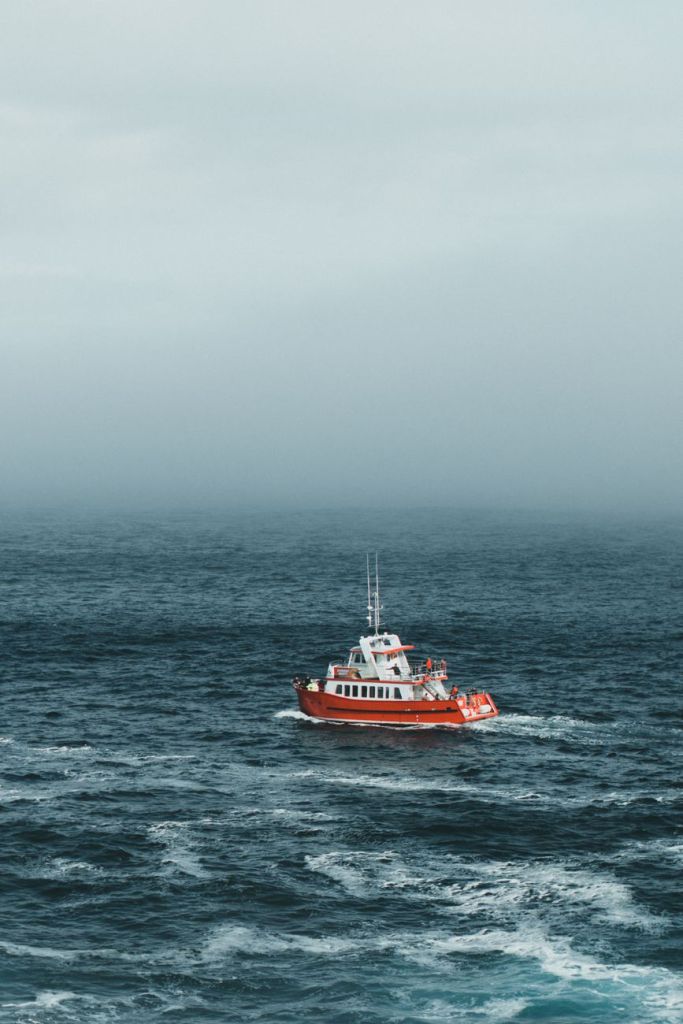
Solitude is one of the most precious things in the human spirit. It is different from loneliness. When you are lonely, you become acutely conscious of your own separation. Solitude can be a homecoming to your own deepest belonging. One of the lovely things about us as individuals is the incommensurable in us. In each person, there is a point of absolute non connection with everything else and with everyone. This is fascinating and frightening. It means that we cannot continue to seek outside ourselves for the things we need from within. The blessings for which we hunger are not to be found in other places or people. These gifts can only be given to you by yourself. – John O’Donohue, from Anam Cara
aging
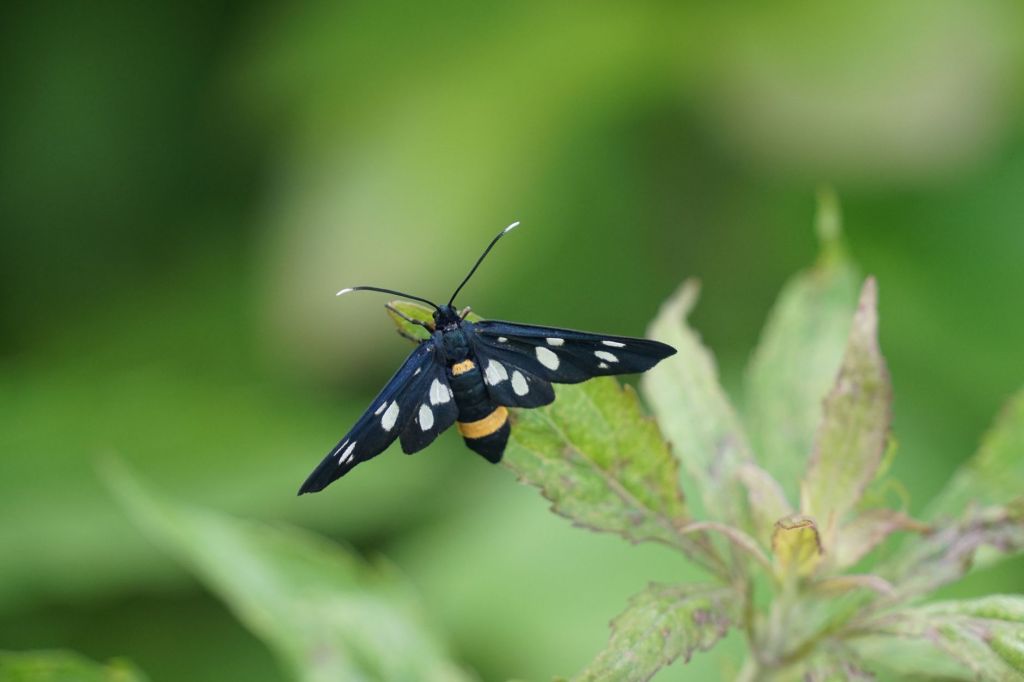
a little black moth
sleeping on a basil leaf
startled awake
flies to the trees
as if it knows
where it’s going
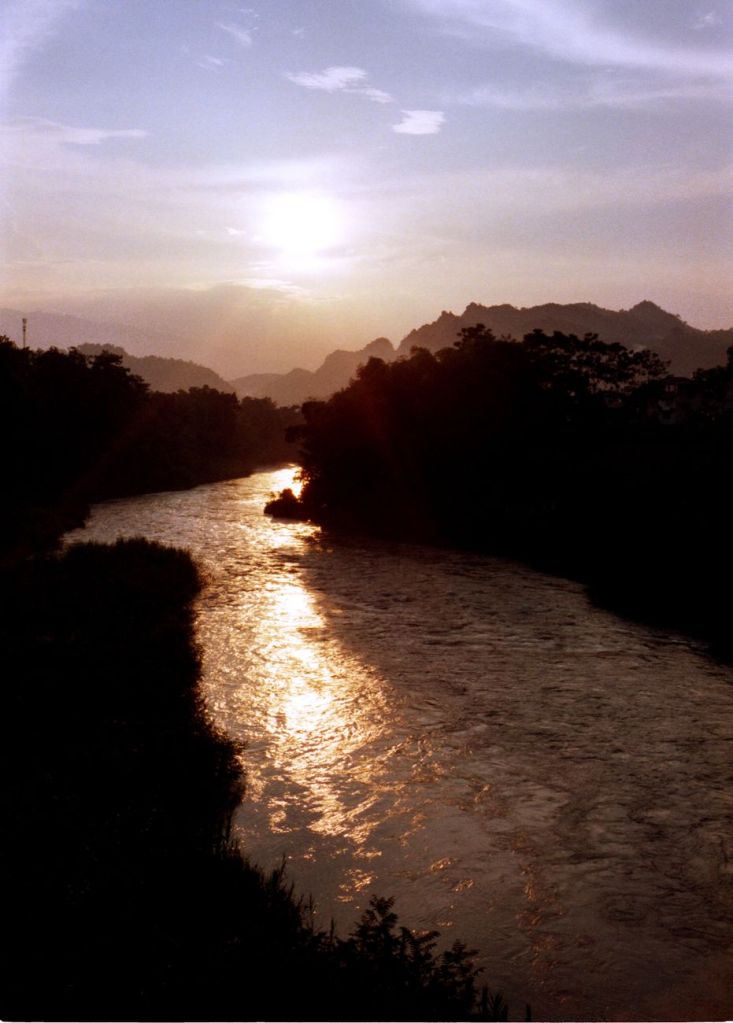
But in an old man who has known human joys and sorrows, and has achieved whatever work it was in him to do, the fear of death is somewhat abject and ignoble.The best way to overcome it—so at least it seems to me—is to make your interests gradually wider and more impersonal, until bit by bit the walls of the ego recede, and your life becomes increasingly merged in the universal life. An individual human existence should be like a river: small at first, narrowly contained within its banks, and rushing passionately past rocks and over waterfalls. Gradually the river grows wider, the banks recede, the waters flow more quietly, and in the end, without any visible break, they become merged in the sea, and painlessly lose their individual being.
Bertrand Russell, from How to Grow Old
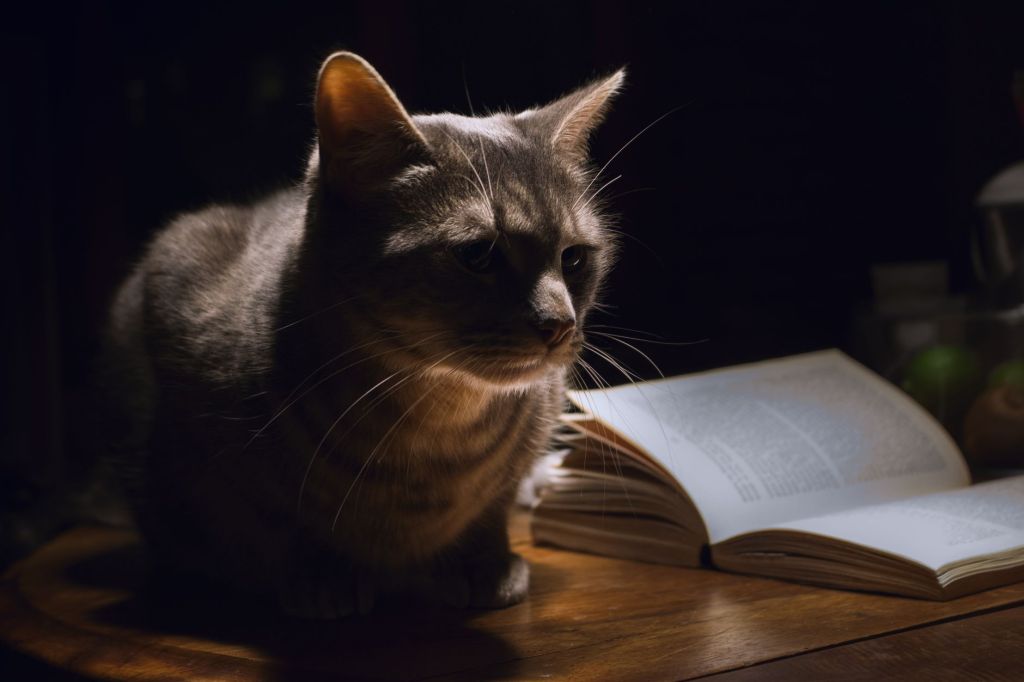
I and Pangur Bán my cat,
‘Tis a like task we are at:
Hunting mice is his delight,
Hunting words I sit all night.
Better far than praise of men
‘Tis to sit with book and pen;
Pangur bears me no ill-will,
He too plies his simple skill.
‘Tis a merry task to see
At our tasks how glad are we,
When at home we sit and find
Entertainment to our mind.
Oftentimes a mouse will stray
In the hero Pangur’s way;
Oftentimes my keen thought set
Takes a meaning in its net.
‘Gainst the wall he sets his eye
Full and fierce and sharp and sly;
‘Gainst the wall of knowledge I
All my little wisdom try.
When a mouse darts from its den,
O how glad is Pangur then!
O what gladness do I prove
When I solve the doubts I love!
So in peace our task we ply,
Pangur Ban, my cat, and I;
In our arts we find our bliss,
I have mine and he has his.
Practice every day has made
Pangur perfect in his trade;
I get wisdom day and night
Turning darkness into light.
Anonymous 9th century translated from the Old Irish by Robin Flower
I
Between extremities
Man runs his course;
A brand, or flaming breath.
Comes to destroy
All those antinomies
Of day and night;
The body calls it death,
The heart remorse.
But if these be right
What is joy?
II
A tree there is that from its topmost bough
Is half all glittering flame and half all green
Abounding foliage moistened with the dew;
And half is half and yet is all the scene;
And half and half consume what they renew,
And he that Attis’ image hangs between
That staring fury and the blind lush leaf
May know not what he knows, but knows not grief
III
Get all the gold and silver that you can,
Satisfy ambition, animate
The trivial days and ram them with the sun,
And yet upon these maxims meditate:
All women dote upon an idle man
Although their children need a rich estate;
No man has ever lived that had enough
Of children’s gratitude or woman’s love.
No longer in Lethean foliage caught
Begin the preparation for your death
And from the fortieth winter by that thought
Test every work of intellect or faith,
And everything that your own hands have wrought
And call those works extravagance of breath
That are not suited for such men as come
proud, open-eyed and laughing to the tomb.
IV
My fiftieth year had come and gone,
I sat, a solitary man,
In a crowded London shop,
An open book and empty cup
On the marble table-top.
While on the shop and street I gazed
My body of a sudden blazed;
And twenty minutes more or less
It seemed, so great my happiness,
That I was blessed and could bless.
V
Although the summer Sunlight gild
Cloudy leafage of the sky,
Or wintry moonlight sink the field
In storm-scattered intricacy,
I cannot look thereon,
Responsibility so weighs me down.
Things said or done long years ago,
Or things I did not do or say
But thought that I might say or do,
Weigh me down, and not a day
But something is recalled,
My conscience or my vanity appalled.
VI
A rivery field spread out below,
An odour of the new-mown hay
In his nostrils, the great lord of Chou
Cried, casting off the mountain snow,
‘Let all things pass away.’
Wheels by milk-white asses drawn
Where Babylon or Nineveh
Rose; some conquer drew rein
And cried to battle-weary men,
‘Let all things pass away.’
From man’s blood-sodden heart are sprung
Those branches of the night and day
Where the gaudy moon is hung.
What’s the meaning of all song?
‘Let all things pass away.’
VII
The Soul. Seek out reality, leave things that seem.
The Heart. What, be a singer born and lack a theme?
The Soul. Isaiah’s coal, what more can man desire?
The Heart. Struck dumb in the simplicity of fire!
The Soul. Look on that fire, salvation walks within.
The Heart. What theme had Homer but original sin?
VIII
Must we part, Von Hugel, though much alike, for we
Accept the miracles of the saints and honour sanctity?
The body of Saint Teresa lies undecayed in tomb,
Bathed in miraculous oil, sweet odours from it come,
Healing from its lettered slab. Those self-same hands perchance
Eternalised the body of a modern saint that once
Had scooped out pharaoh’s mummy. I – though heart might find relief
Did I become a Christian man and choose for my belief
What seems most welcome in the tomb – play a pre-destined part.
Homer is my example and his unchristened heart.
The lion and the honeycomb, what has Scripture said?
So get you gone, Von Hugel, though with blessings on your head.

