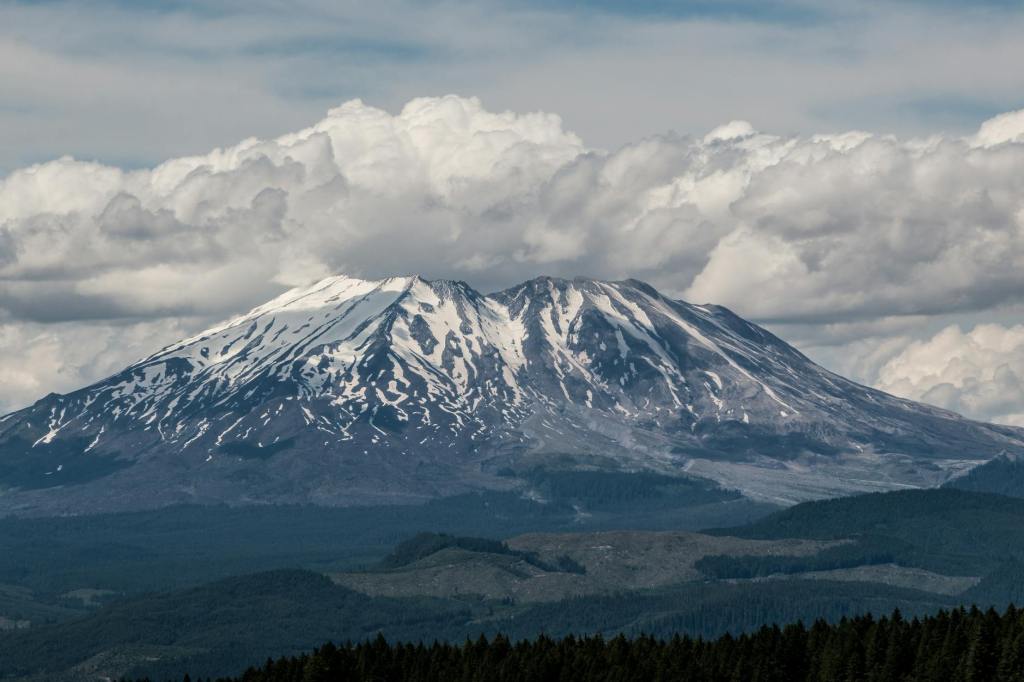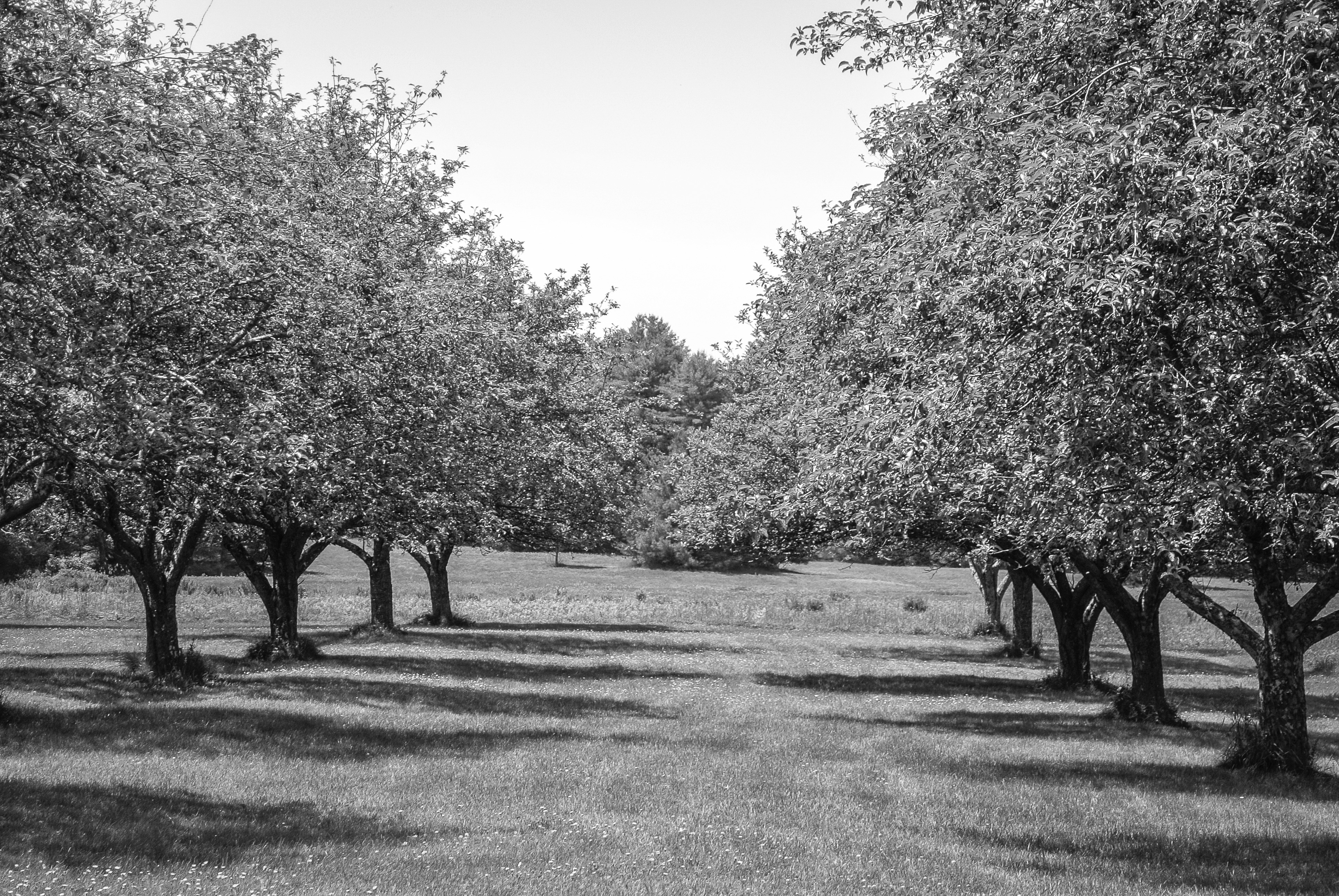
The day I first climbed Mt. St. Helens was August 13, 1945.
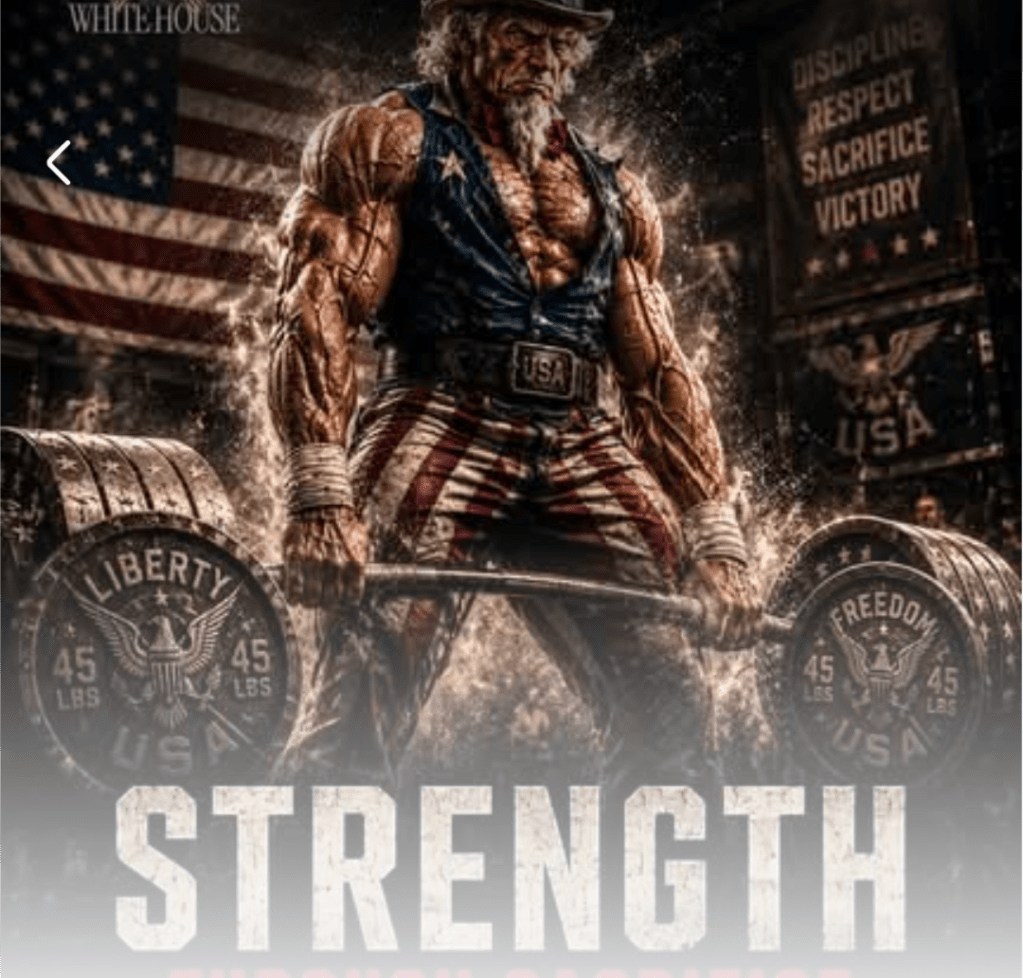
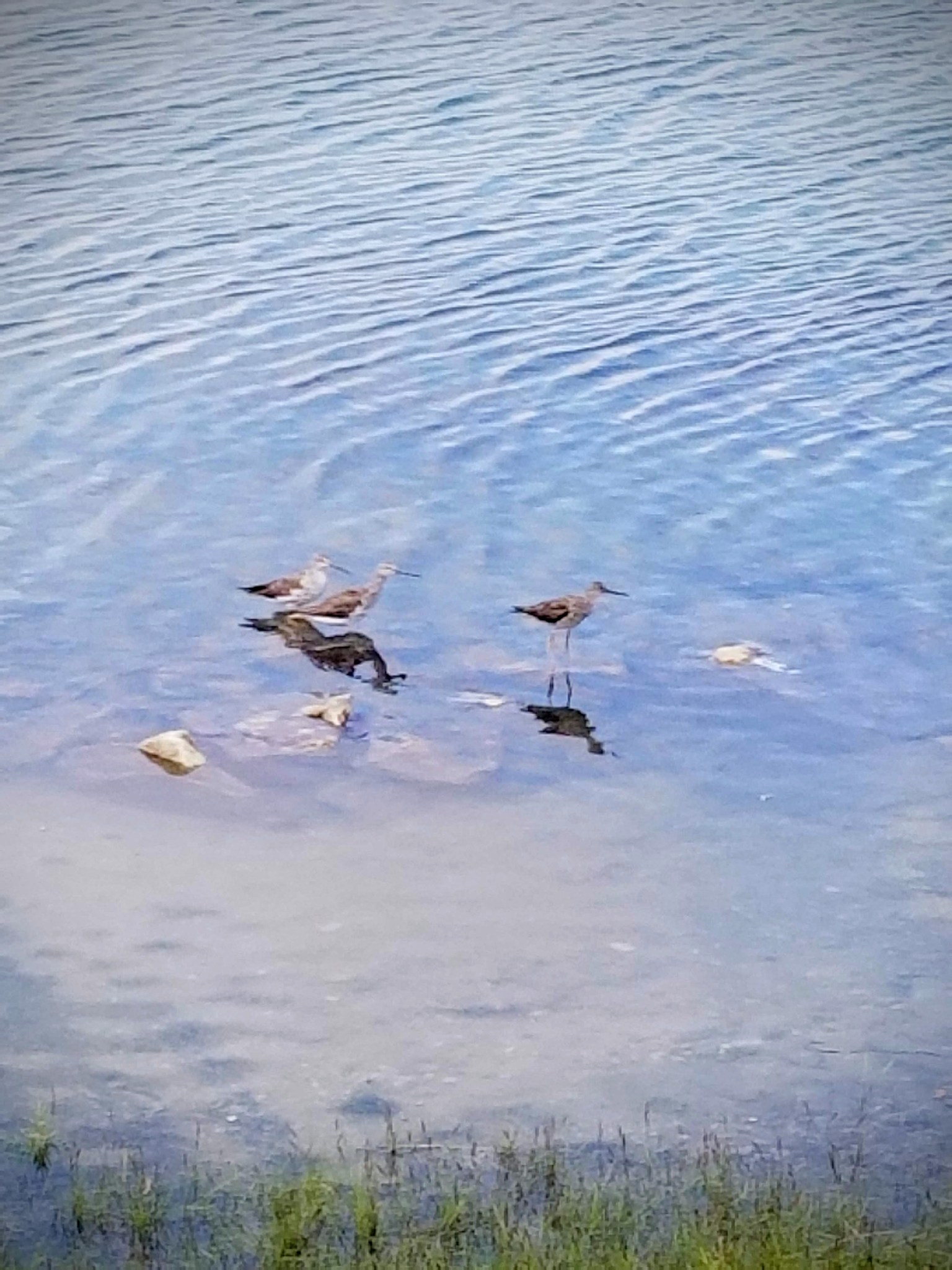
Spirit Lake was far from the cities of the valley and news came slow. Though the first atomic bomb was dropped on Hiroshima August 6 and the second dropped on Nagasaki August 9, photographs didn’t appear in the Portland Oregonian until August 12. Those papers must have been driven in to Spirit Lake on the 13th. Early the morning of the 14th I walked over to the lodge to check the bulletin board. There were whole pages of the paper pinned up: photos of a blasted city from the air, the estimate of 150,000 dead in Hiroshima alone, the American scientist quoted saying “nothing will grow there again for seventy years.” The morning sun on my shoulders, the fir forest smell and the big tree shadows; feet in thin moccasins feeling the ground, and my heart still one with the snowpeak mountain at my back. Horrified, blaming scientists and politicians and the governments of the world, I swore a vow to myself, something like, “By the purity and beauty and permanence of Mt. St. Helens, I will fight against this cruel destructive power and those who would seek to use it, for all my life.”
Authentic freedom and love will not be captured by attachment. Therefore, the journey homeward does not lead toward new, more sophisticated addictions. If it is truly homeward, it leads toward liberation from addiction altogether. Obviously, it is a lifelong process… There is a strange sadness in this growing freedom. Our souls may have been scarred […]
The gregarious And mild-tempered never know Each other by name: Creatures who make friends are shy And liable to anger. * Unable to see A neighbor to frown at, Eutroplus beat his wife. (after K. Lorenz) * A dead man Who never caused others to die Seldom rates a statue. * Small tyrants, threatened by big, Sincerely believe They love Liberty. * Tyrants may get killed, But their hangmen usually Die in their beds. * Patriots? Little boys Obsessed by bigness, Big pricks, big money, big bangs. * He praised his God For the expertise Of his torturer and his chef. * Reluctant at first To break his sworn promise Of Safe Conduct, after Consulting his confessor, In good spirits He signed a death-warrant. * “Be godly,” he told his flock, “Bloody and extreme Like the Holy Ghost.” * After the massacre, They pacified their conscience By telling jokes. * When their Infidel Paymaster fell in arrears, The mercenaries Recalled their unstained childhoods In devout Christian homes. * With silver mines, Recruiting grounds, A general of real genius, He thought himself invulnerable: In one battle He lost all three. * The last king Of a fallen dynasty Is never well spoken of. * Intelligent, rich, Humane, the young man dreamed of Posthumous glory As connoisseur and patron Of Scholarship and the Arts. An age bent on war, The ambitions of his king, Decreed otherwise: He was to be remembered As a destroyer of towns. * Born to flirt and write light verses, He died bravely By the headsman’s axe. * Into the prosperous quiet Between two wars Came Anopheles. * The Queen fled, leaving Books behind her That shocked the pious usurper. * Assembling With ceremonial pomp, The Imperial Diet Cravely debated Legislation It had no power to reject. * Victorious over The foreign tyrant, The patriots retained His emergency Police regulations, Devised to suppress them. * In States unable To alleviate Distress, Discontent is hanged. * In semi-literate countries Demagogues pay Court to teen-agers. * To maintain a stud Of polo ponies he now Was too stout to ride, He slapped taxes on windows, Hearth-stones and door-steps and wives. * He walked like someone Who’d never had to Open a door for himself. * Abandoning his wives, He fled with their jewels And two hundred dogs. * Providentially Right for once in his lifetime (His reasons were wrong), The old sod was permitted To save civilization. * Who died in Nineteen-Sixty-Five More worthy of honors Than Lark, the cow Who gave to mankind One hundred and fifteen thousand Litres of milk? * When we do evil, We and our victims Are equally bewildered. * * The decent, probably, Outnumber the swine, But few can inherit The genes, or procure Both the money and time, To join the civilized.
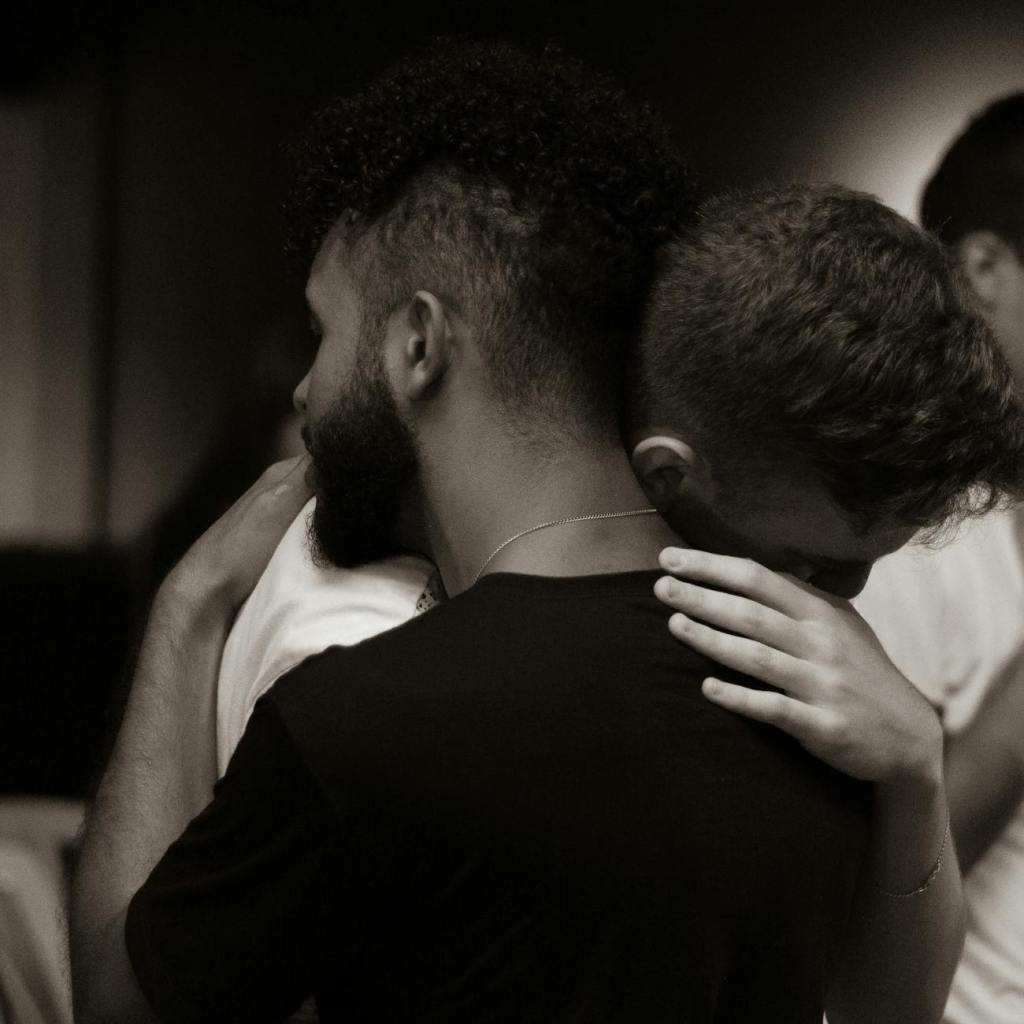
the nearness
there was this
song I heard
January 2017
I was driving
on a Sunday
evening I had
to pull over
in the dark
to cry for
the nearness
of you after
you had gone
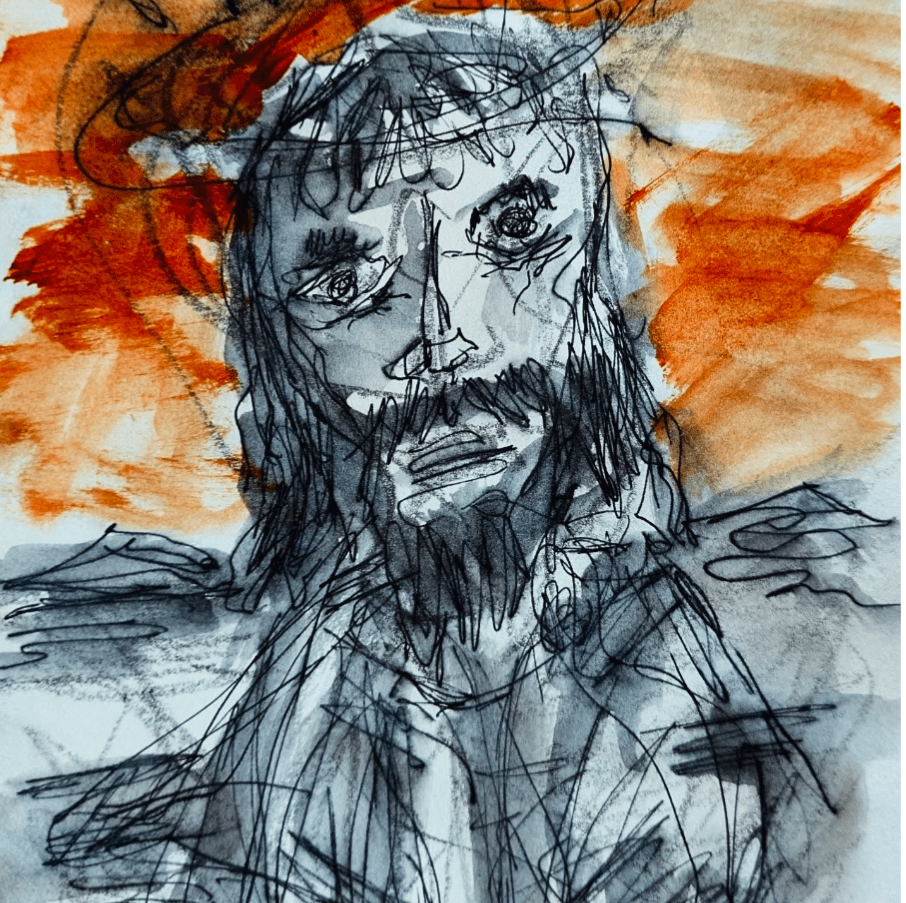
One thing that comes out in myths is that at the bottom of the abyss comes the voice of salvation. The black moment is the moment when the real message of transformation is going to come. At the darkest moment comes the light. – Joseph Campbell