If it were possible for us to see further than our knowledge reaches, and a little beyond the outworks of our intuitions, perhaps we should then bear our sadnesses with greater assurance than our joys. For they are the moments when something new enters into us, something unknown to us; our feelings, shy and inhibited, fall silent, everything in us withdraws, a stillness settles on us, and at the centre of it is the new presence that nobody yet knows, making no sound.
To bless means to say good things. We have to bless one another constantly. Parents need to bless their children, children their parents, husbands their wives, wives their husbands, friends their friends. In our society, so full of curses, we must fill each place we enter with our blessings. We forget so quickly that we are God’s beloved children and allow the many curses of our world to darken our hearts. Therefore we have to be reminded of our belovedness and remind others of theirs. Whether the blessing is given in words or with gestures, in a solemn or an informal way, our lives need to be blessed lives.
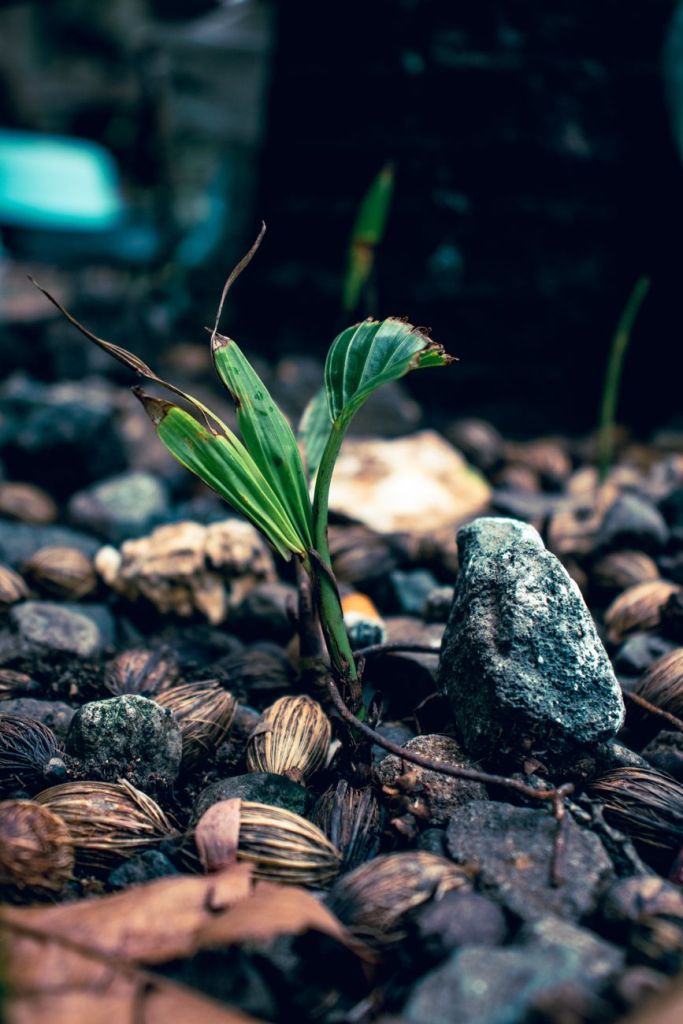
If you hold close to nature, to what is simple in it, to the small things people hardly see and which all of a sudden can become great and immeasurable; if you have this love for what is slight, and quite unassumingly, as a servant, seek to win the confidence of what seems poor – then everything will grow easier, more unified and somehow more conciliatory, not perhaps in the intellect, which, amazed, remains a step behind, but in your deepest consciousness, watchfulness and knowledge.
With great difficulty advancing by millimetres each year, I carve a road out of the rock. For millenniums my teeth have wasted and my nails broken to get there, to the other side, to the light and the open air. And now that my hands bleed and my teeth tremble, unsure in a cavity cracked by thirst and dust, I pause and contemplate my work. I have spent the second part of my life breaking the stones, drilling the walls, smashing the doors, removing the obstacles I placed between the light and myself in the first part of my life.
Richard Rohr – Great love has the potential to open the heart space and then the mind space. Great suffering has the potential to open the mind space and then the heart space. Eventually both spaces need to be opened, and for such people, non-dual thinking can be the easiest.
People who have never loved or never suffered will normally try to control everything with an either-or attitude or all-or-nothing thinking. This closed system is all they are prepared for. The mentality that divides the world into “deserving and undeserving” has not yet experienced the absolute gratuity of grace or the undeserved character of mercy. This lack of in-depth God-experience leaves all of us judgmental, demanding, unforgiving, and weak in empathy and sympathy. Such people will remain inside the prison of “meritocracy,” where all has to be deserved. They are still counting when in reality God and grace exist outside of all accounting. Remember, however, to be patient with such people, even if you are the target of their judgment, because on some level, that is how they treat themselves as well.
Non-dual people will see things in their wholeness and call forth the same unity in others simply by being who they are. Wholeness (head, heart, and body all present, positive, and accounted for!) can see and call forth wholeness in others. This is why it is so pleasant to be around whole and holy people.
Dualistic or divided people, however, live in a split and fragmented world. They cannot accept or forgive certain parts of themselves. They cannot accept that God objectively dwells within them, as it states in so many places in Scripture, including 1 Corinthians 3:16-17. This lack of forgiveness takes the forms of a tortured mind, a closed heart, or an inability to live calmly and proudly inside ones own body. The fragmented mind sees parts, not wholes, in itself and others, and invariably it creates antagonism, reaction, fear, and resistance—“push-back” from other people—who themselves are longing for wholeness and holiness.
Every year without knowing it I have passed the day When the last fires will wave to me And the silence will set out Tireless traveler Like the beam of a lightless star
Then I will no longer Find myself in life as in a strange garment Surprised at the earth And the love of one woman And the shamelessness of men As today writing after three days of rain Hearing the wren sing and the falling cease And bowing not knowing to what
Let me explain this a little more. Just as there are three main powers in fire-heat, light, and fleeting subtlety-so there are three similar powers in the soul’s essence: the power of life, of understanding, and of desiring…. At different times the soul brings forth its variety of seeds more or less in profusion.
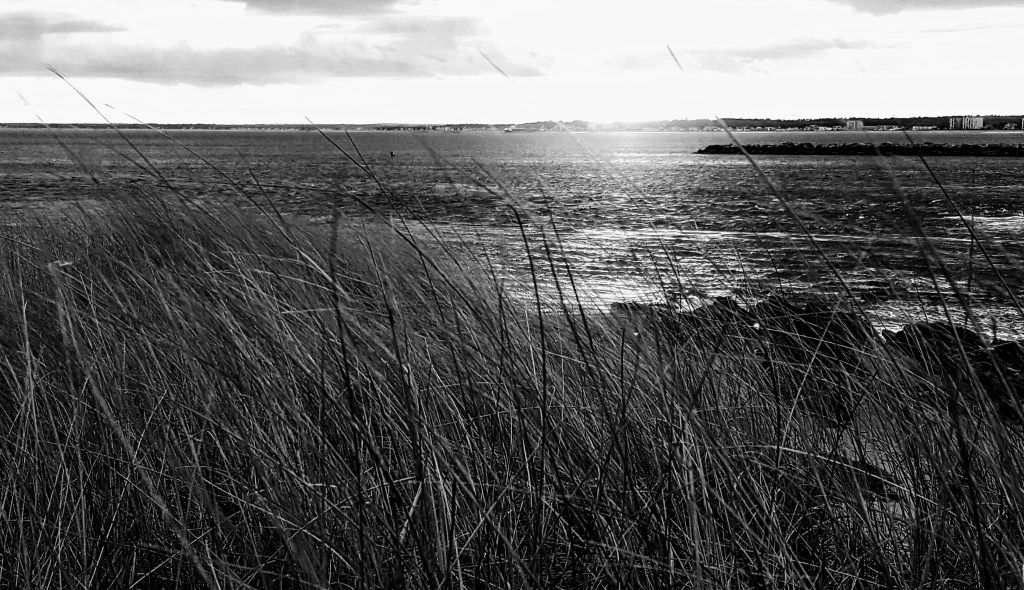





 Edge of Atlantic