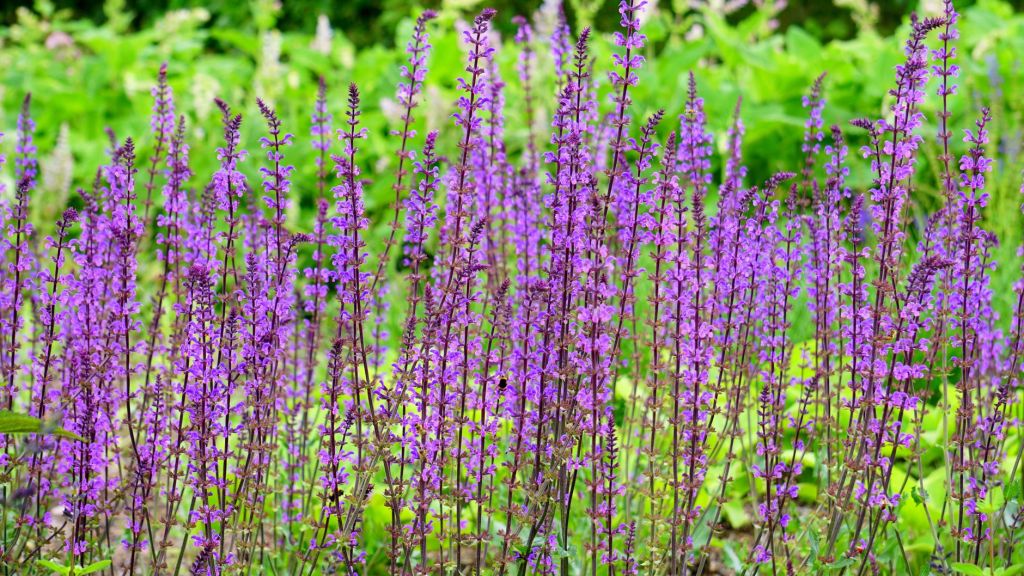
I think it pisses God off if you walk by the color purple in a field somewhere and don’t notice it. People think pleasing God is all God cares about. But any fool in the world can see [God is] always trying to please us back…. always making little surprises and springing them on us when us least expect it. – Alice Walker, from The Color Purple
My friend Jere and I returned to Italy two years ago after 20 years. I don’t know why but I was obsessed with finding the headwaters of il Tevere (Tiber River.) It took several hours on twisting mountain roads to find the tiny stream on the side of Monte Fumaiolo.
No sign. No crowd. Just a slight adventure I will never forget.
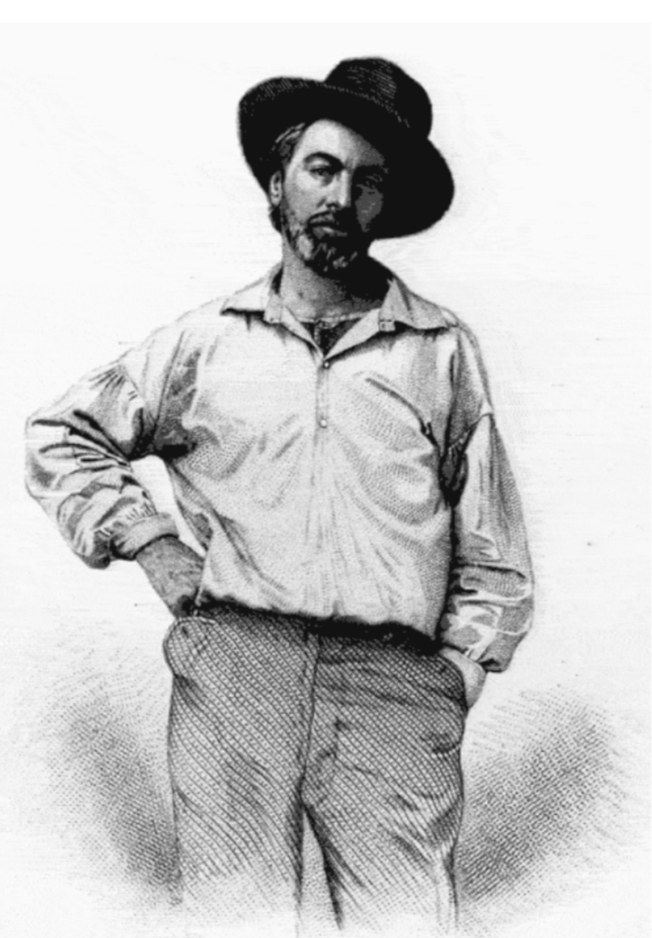
When I go back to earth And all my joyous body Puts off the red and white That once had been so proud, If men should pass above With false and feeble pity, My dust will find a voice To answer them aloud: “Be still, I am content, Take back your poor compassion, Joy was a flame in me Too steady to destroy; Lithe as a bending reed Loving the storm that sways her— I found more joy in sorrow Than you could find in joy.”
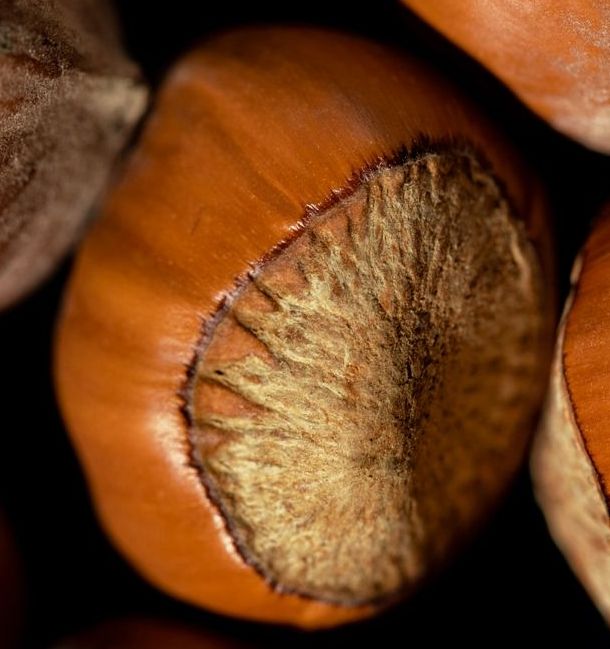
And he showed me a little thing, the size of a hazelnut, on the palm of my hand, round like a ball. I looked at it thoughtfully and wondered, ‘What is this?’ And the answer came, ‘It is all that is made.’ I marvelled that it continued to exist and did not suddenly disintegrate; it was so small. And again my mind supplied the answer, ‘It exists, both now and for ever, because God loves it.
Julian of Norwich, from Revelations of Divine Love, written in 1373
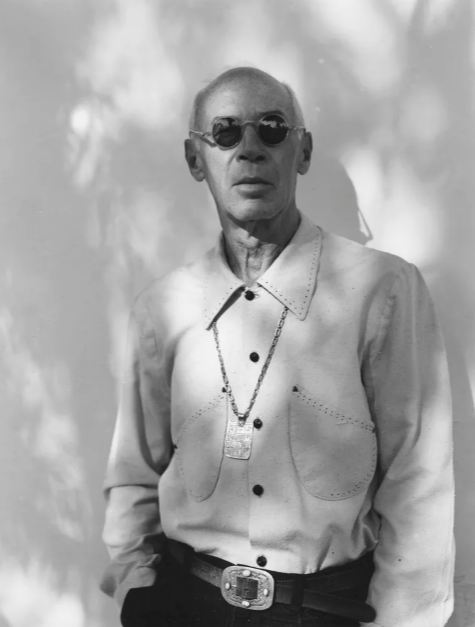
My motto has always been: “Always merry and bright.” Perhaps that is why I never tire of quoting Rabelais: “For all your ills I give you laughter.” As I look back on my life, which has been full of tragic moments, I see it more as a comedy than a tragedy. One of those comedies in which while laughing your guts out you feel your inner heart breaking. What better comedy could there be? The man who takes himself seriously is doomed…
There is nothing wrong with life itself. It is the ocean in which we swim and we either adapt to it or sink to the bottom. But it is in our power as human beings not to pollute the waters of life, not to destroy the spirit which animates us.
The most difficult thing for a creative individual is to refrain from the effort to make the world to his liking and to accept his fellow man for what he is, whether good, bad or indifferent.
All the joy the world contains has come through wishing happiness for others. All the misery the world contains has come through wanting pleasure for oneself.
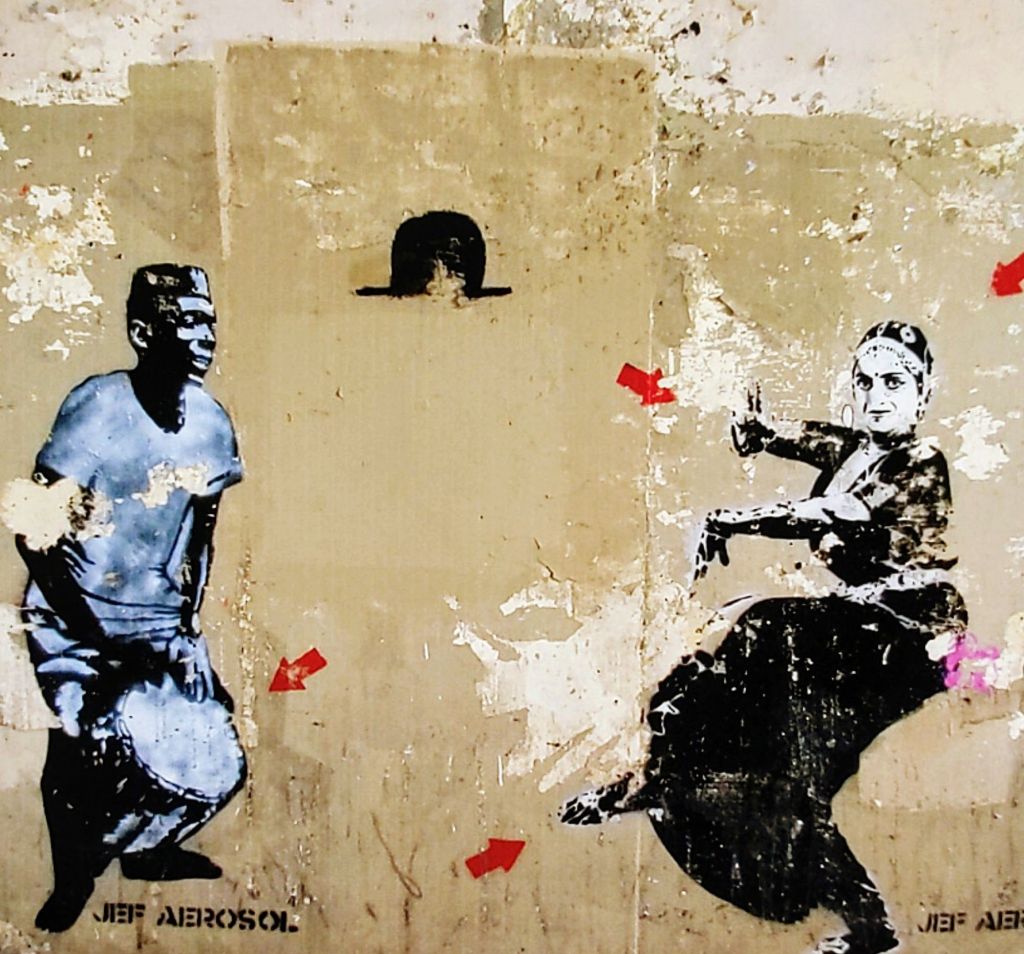
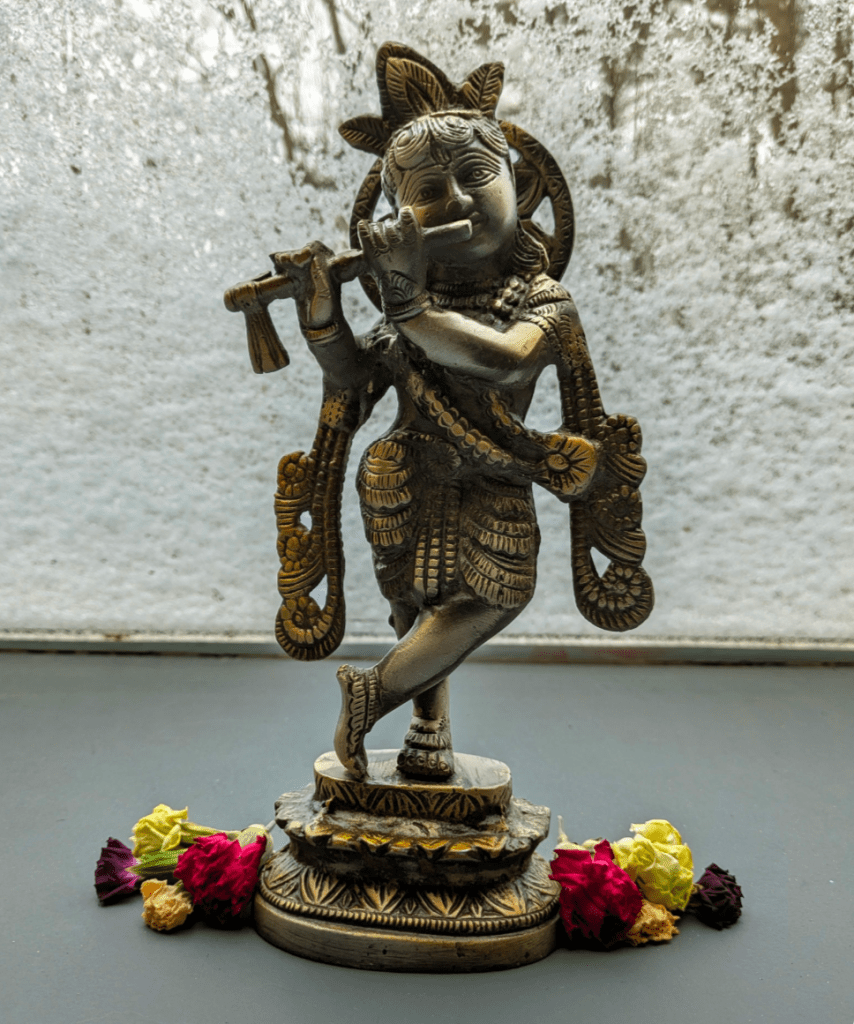
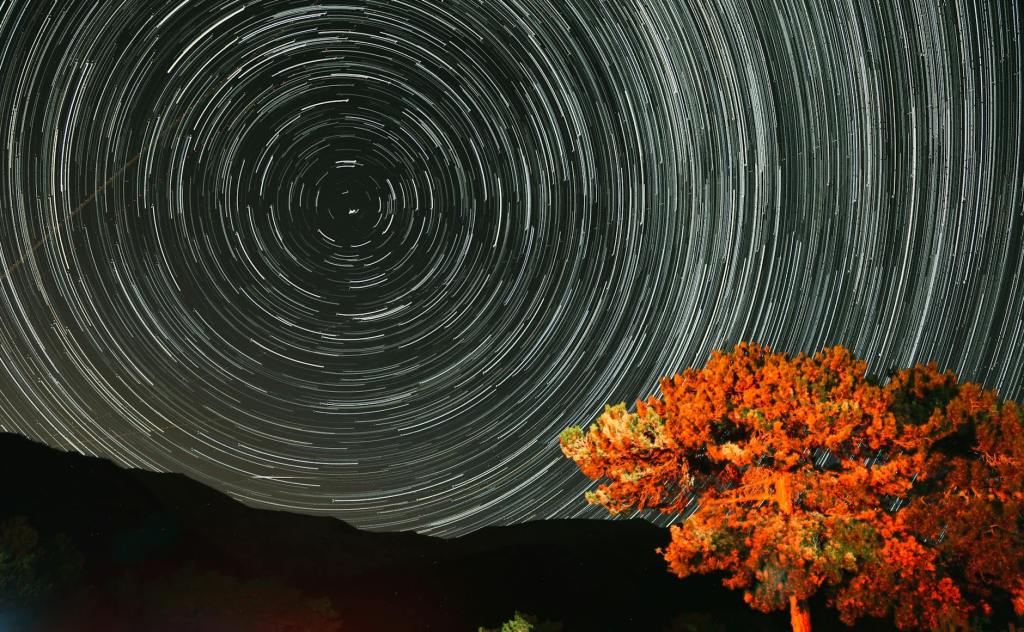
What is serious to men is often very trivial in the sight of God. What in God might appear to us as “play” is perhaps what he Himself takes most seriously. At any rate, the Lord plays and diverts Himself in the garden of His creation, and if we could let go of our own obsession with what we think is the meaning of it all, we might be able to hear His call and follow Him in His mysterious, cosmic dance. We do not have to go very far to catch echoes of that game, and of that dancing. When we are alone on a starlit night; when by chance we see the migrating birds in autumn descending on a grove of junipers to rest and eat; when we see children in a moment when they are really children; when we know love in our own hearts; or when, like the Japanese poet Bashō we hear an old frog land in a quiet pond with a solitary splash–at such times the awakening, the turning inside out of all values, the “newness,” the emptiness and the purity of vision that make themselves evident, provide a glimpse of the cosmic dance.
For the world and time are the dance of the Lord in emptiness. The silence of the spheres is the music of a wedding feast. The more we persist in misunderstanding the phenomena of life, the more we analyze them out into strange finalities and complex purposes of our own, the more we involve ourselves in sadness, absurdity and despair. But it does not matter much, because no despair of ours can alter the reality of things; or stain the joy of the cosmic dance which is always there. Indeed, we are in the midst of it, and it is in the midst of us, for it beats in our very blood, whether we want it to or not.
Yet the fact remains that we are invited to forget ourselves on purpose, cast our awful solemnity to the winds and join in the general dance.

 Edge of Atlantic