Lead – Mary Oliver

Lead

Here is a story
to break your heart.
Are you willing?
This winter
the loons came to our harbor
and died, one by one,
of nothing we could see.
A friend told me
of one on the shore
that lifted its head and opened
the elegant beak and cried out
in the long, sweet savoring of its life
which, if you have heard it,
you know is a sacred thing,
and for which, if you have not heard it,
you had better hurry to where
they still sing.
And, believe me, tell no one
just where that is.
The next morning
this loon, speckled
and iridescent and with a plan
to fly home
to some hidden lake,
was dead on the shore.
I tell you this
to break your heart,
by which I mean only
that it break open and never close again
to the rest of the world.


Pema Chodron on shenpa – the hook, the urge to indulge the addiction

So we could also call shenpa “the urge”—the urge to smoke that cigarette, to overeat, to have another drink, to indulge our addiction whatever it is. Sometimes shenpa is so strong that we’re willing to die getting this short-term symptomatic relief. The momentum behind the urge is so strong that we never pull out of the habitual pattern of turning to poison for comfort. It doesn’t necessarily have to involve a substance; it can be saying mean things, or approaching everything with a critical mind. That’s a major hook. Something triggers an old pattern we’d rather not feel, and we tighten up and hook into criticizing or complaining. It gives us a puffed-up satisfaction and a feeling of control that provides short-term relief from uneasiness.

Those of us with strong addictions know that working with habitual patterns begins with the willingness to fully acknowledge our urge, and then the willingness not to act on it. This business of not acting out is called refraining. Traditionally it’s called renunciation. What we renounce or refrain from isn’t food, sex, work or relationships per se. We renounce and refrain from the shenpa. When we talk about refraining from the shenpa, we’re not talking about trying to cast it out; we’re talking about trying to see the shenpa clearly and experiencing it. If we can see shenpa just as we’re starting to close down, when we feel the tightening, there’s the possibility of catching the urge to do the habitual thing, and not doing it.

selective focus of stainless steel hook

Photo by Steve Johnson on Pexels.com

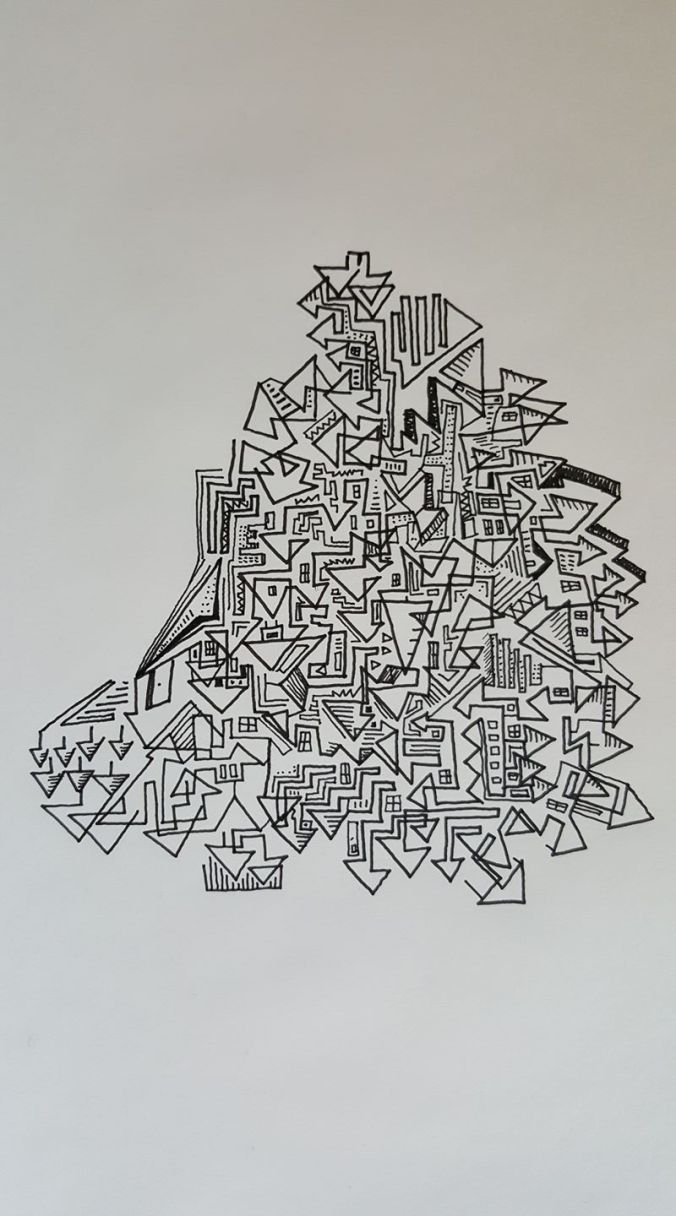
fragmented, confused, and erratic

Henri Nouwen – The great danger of the turmoil of the end-time in which we live is losing our souls. Losing our souls means losing touch with our center, our true call in life, our mission, our spiritual task. Losing our soul means becoming so distracted by and preoccupied with all that is happening around us that we end up fragmented, confused, and erratic. Jesus is very aware of that danger. He says: “Take care not to be deceived, because many will come using my name and saying, ‘I am the one’ and ‘The time is near at hand’ Refuse to join them” (Luke 21:8).

16716122_10206485920265958_7687195154280466815_o

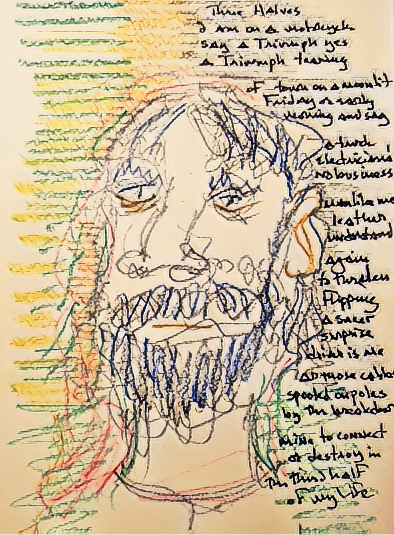
three halves

20180910_230248.png

Some days it isn’t pretty or inspirational. Some days it takes more than books, more than quotes, more than walks and fresh air. Some days take more than friends, phone calls, texts.

Some days you just want to make it to the end – to sleep. Some days, I don’t know why, you just show up with the whitest knuckles in the room. Some days it’s enough to breathe.

Listen to the words – be not afraid. And be.