When I went out to kill myself, I caught A pack of hoodlums beating up a man. Running to spare his suffering, I forgot My name, my number, how my day began, How soldiers milled around the garden stone And sang amusing songs; how all that day Their javelins measured crowds; how I alone Bargained the proper coins, and slipped away.
Banished from heaven, I found this victim beaten, Stripped, kneed, and left to cry. Dropping my rope Aside, I ran, ignored the uniforms: Then I remembered bread my flesh had eaten, The kiss that ate my flesh. Flayed without hope, I held the man for nothing in my arms.
The gregarious And mild-tempered never know Each other by name: Creatures who make friends are shy And liable to anger. * Unable to see A neighbor to frown at, Eutroplus beat his wife. (after K. Lorenz) * A dead man Who never caused others to die Seldom rates a statue. * Small tyrants, threatened by big, Sincerely believe They love Liberty. * Tyrants may get killed, But their hangmen usually Die in their beds. * Patriots? Little boys Obsessed by bigness, Big pricks, big money, big bangs. * He praised his God For the expertise Of his torturer and his chef. * Reluctant at first To break his sworn promise Of Safe Conduct, after Consulting his confessor, In good spirits He signed a death-warrant. * “Be godly,” he told his flock, “Bloody and extreme Like the Holy Ghost.” * After the massacre, They pacified their conscience By telling jokes. * When their Infidel Paymaster fell in arrears, The mercenaries Recalled their unstained childhoods In devout Christian homes. * With silver mines, Recruiting grounds, A general of real genius, He thought himself invulnerable: In one battle He lost all three. * The last king Of a fallen dynasty Is never well spoken of. * Intelligent, rich, Humane, the young man dreamed of Posthumous glory As connoisseur and patron Of Scholarship and the Arts. An age bent on war, The ambitions of his king, Decreed otherwise: He was to be remembered As a destroyer of towns. * Born to flirt and write light verses, He died bravely By the headsman’s axe. * Into the prosperous quiet Between two wars Came Anopheles. * The Queen fled, leaving Books behind her That shocked the pious usurper. * Assembling With ceremonial pomp, The Imperial Diet Cravely debated Legislation It had no power to reject. * Victorious over The foreign tyrant, The patriots retained His emergency Police regulations, Devised to suppress them. * In States unable To alleviate Distress, Discontent is hanged. * In semi-literate countries Demagogues pay Court to teen-agers. * To maintain a stud Of polo ponies he now Was too stout to ride, He slapped taxes on windows, Hearth-stones and door-steps and wives. * He walked like someone Who’d never had to Open a door for himself. * Abandoning his wives, He fled with their jewels And two hundred dogs. * Providentially Right for once in his lifetime (His reasons were wrong), The old sod was permitted To save civilization. * Who died in Nineteen-Sixty-Five More worthy of honors Than Lark, the cow Who gave to mankind One hundred and fifteen thousand Litres of milk? * When we do evil, We and our victims Are equally bewildered. * * The decent, probably, Outnumber the swine, But few can inherit The genes, or procure Both the money and time, To join the civilized.
“To say that the world is not worth anything, that this life is of no value and to give evil as the proof is absurd, for if these things are worthless what does evil take from us?
Thus the better we are able to conceive of the fullness of joy, the purer and more intense will be our suffering in affliction and our compassion for others. What does suffering take from him who is without joy?
And if we conceive the fullness of joy, suffering is still to joy what hunger is to food.
It is necessary to have had a revelation of reality through joy in order to find reality through suffering. Otherwise life is nothing but a more or less evil dream,” – Simone Weil, Gravity and Grace.
…anyone who is struggling with depression, addiction; anyone who may be giving up, suicidal or self-harming.
I know you. I think I know what you are going through. I’ve been there.
Nine years ago on December 22, 2016, a cold, icy day, with freezing rain pouring down, I pulled into my garage thinking it would be a good time for me to die there. I was so turned around and struggling to recover from addictions, the darkness of the winter solstice seemed to have found a home within me.
After what felt like hours, I realized that my plan was selfish and would only serve to hurt the people–family, friends–who had been caring for me, carrying me until I could get back on my feet. I reached out to people, wise friends and family, who gave me good orderly direction. They told me to listen to the professionals who, without hesitation, were there to guide me.
I spent Christmas and several days after in a mental hospital, a place where I found rest and a sense of peace that I hadn’t felt for several years. I’m not saying that the path was easy, far from it. But I was on a different path in a different direction.
Kenosis is a theological term. In short, it means that we empty our own will and become entirely receptive to God’s will for us. The God that I came to know and hear was not a Catholic or Christian God, not Allah, not Yahweh, not Buddha but an internal light that shone on my place in the unified field of existence.
Over time I learned to listen to the wisdom of others who had lived through similar experiences, no longer trying to control the direction of my life.
So today I bless you and pray you can make the turn to life, the life you are meant to live.
If you are interested in a completely anonymous chat, please contact me.
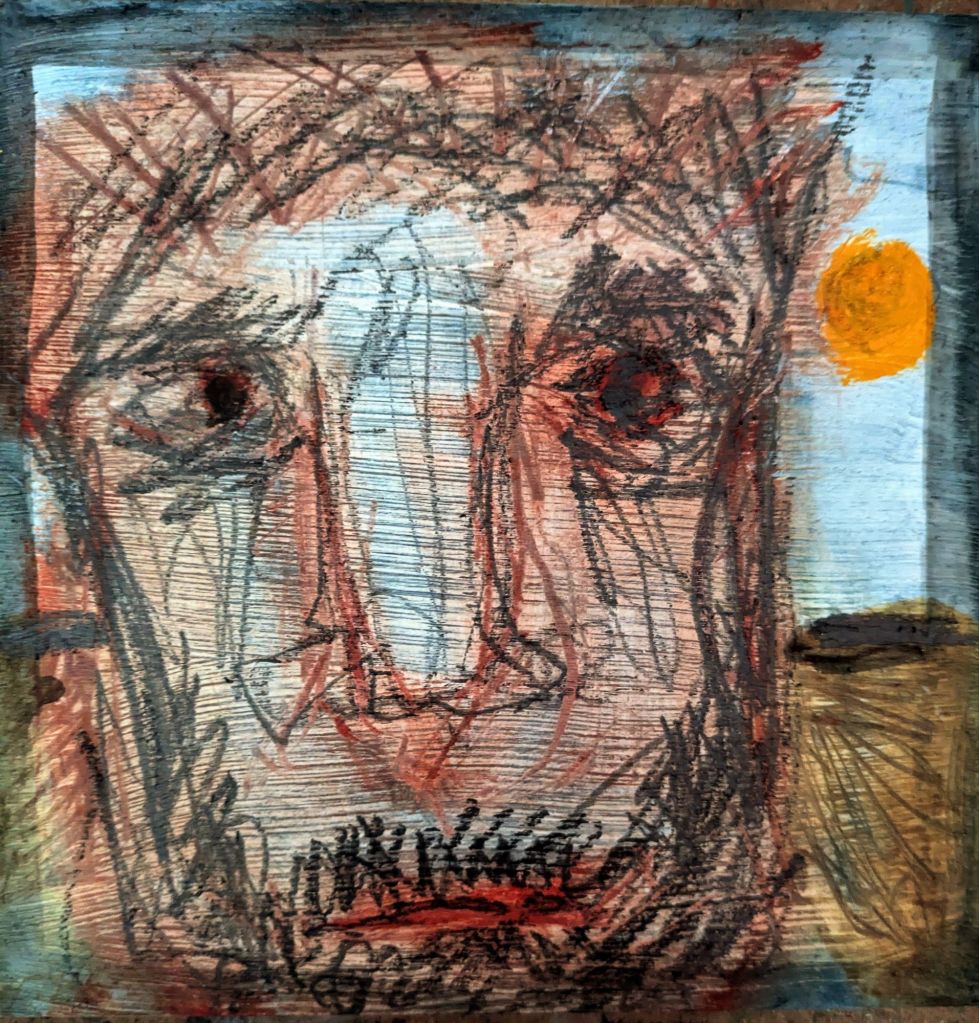
My world in December 2016:
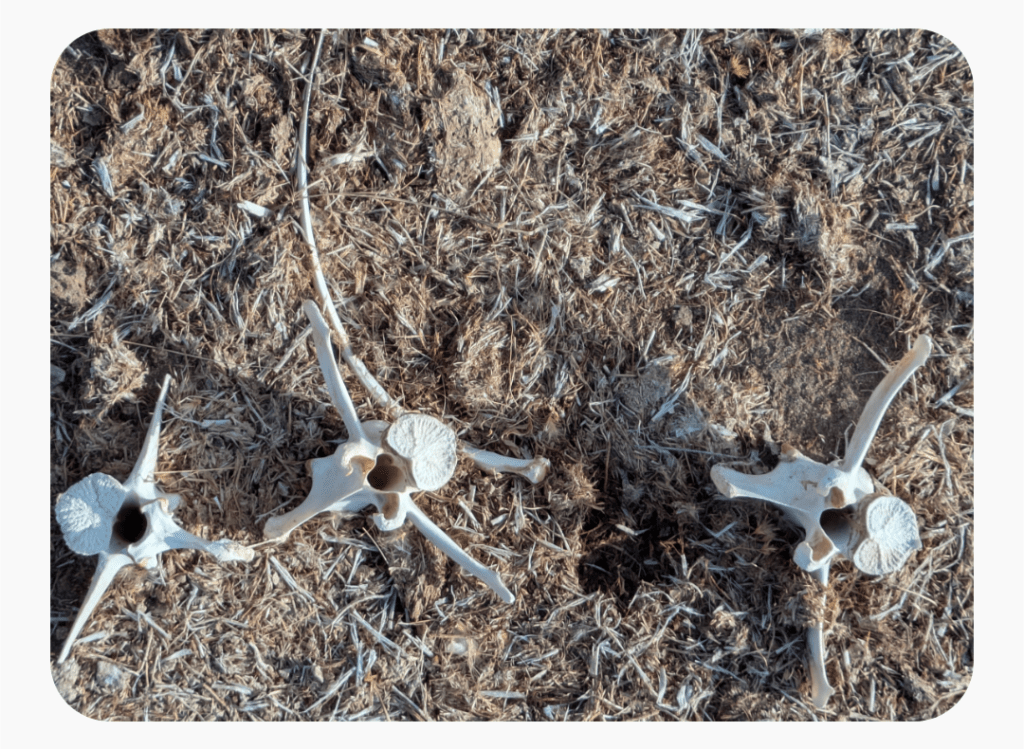
My world today
On this day when the earth begins to turn towards the light, I wish you peace and all good things.
the nearness

there was this
song I heard
January 2017

I was driving
on a Sunday
evening I had

to pull over
in the dark
to cry for

the nearness
of you after
you had gone
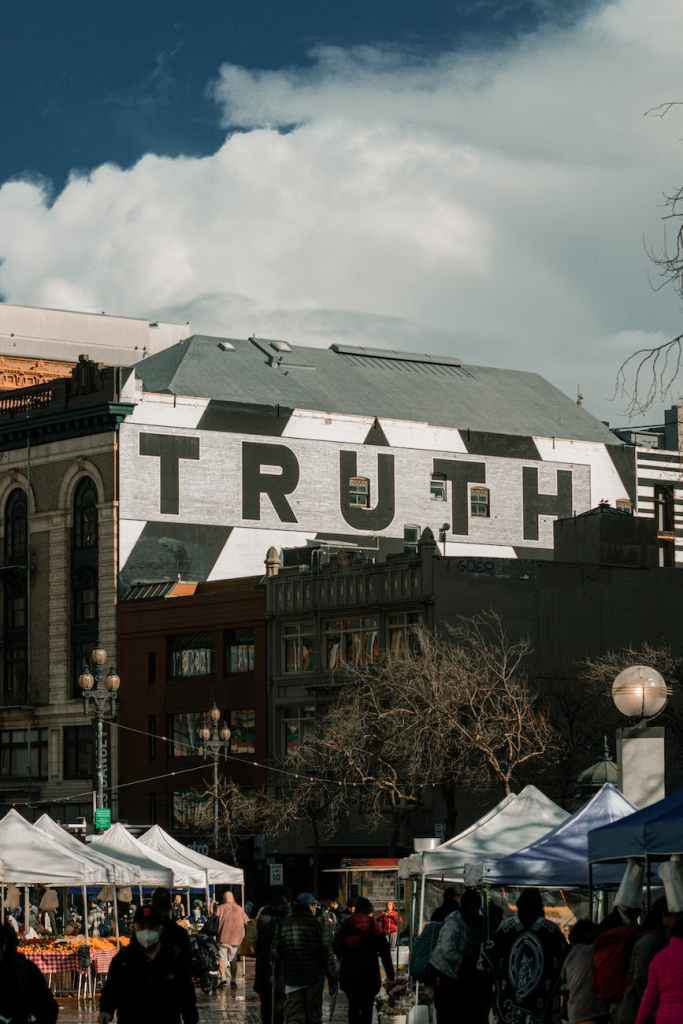
Here is a statement of Gandhi that sums up clearly and concisely the whole doctrine of nonviolence: “The way of peace is the way of truth.” “Truthfulness is even more important than peacefulness. Indeed, lying is the mother of violence. A truthful man cannot long remain violent. He will perceive in the course of his research that he has no need to be violent, and he will further discover that so long as there is the slightest trace of violence in him, he will fail to find the truth he is searching.” Why can we not believe this immediately? Why do we doubt it? Why does it seem impossible? Simply because we are all, to some extent, liars.
We are living under a tyranny of untruth which confirms itself in power and establishes a more and more total control over men in proportion as they convince themselves they are resisting error.
Our submission to plausible and useful lies involves us in greater and more obvious contradictions, and to hide these from ourselves we need greater and ever less plausible lies. The basic falsehood is the lie that we are totally dedicated to truth, and that we can remain dedicated to truth in a manner that is at the same time honest and exclusive: that we have the monopoly of all truth, just as our adversary of the moment has the monopoly of all error.
We then convince ourselves that we cannot preserve our purity of vision and our inner sincerity if we enter into dialogue with the enemy, for he will corrupt us with his error. We believe, finally, that truth cannot be preserved except by the destruction of the enemy- for, since we have identified him with error, to destroy him is to destroy error. The adversary, of course, has exactly the same thoughts about us and exactly the same basic policy by which he defends the “truth.” He has identified us with dishoneity, and untruth. He believes that, if we are destroyed, nothing will be left but truth.
I have learned that an age in which politicians talk about peace is an age in which everybody expects war: the great men of the earth would not talk of peace so much if they did not secretly believe it possible, with one more war, to annihilate their enemies forever. Always, “after just one more war” it will dawn, the new era of love: but first everybody who is hated must be eliminated. For hate, you see, is the mother of their kind of love.
Unfortunately the love that is to be born out of hate will never be born. Hatred is sterile; it breeds nothing but the image of its own empty fury, its own nothingness. Love cannot come of emptiness. It is full of reality. Hatred destroys the real being of man in fighting the fiction which it calls “the enemy.” For man is concrete and alive, but “the enemy” is a subjective abstraction. A society that kills real men in order to deliver itself from the phantasm of a paranoid delusion is already possessed by the demon of destructiveness because it has made itself incapable of love. It refuses, a priori, to love. It is dedicated not to concrete relations of man with man, but only to abstractions about politics, economics, psychology, and even, sometimes, religion.


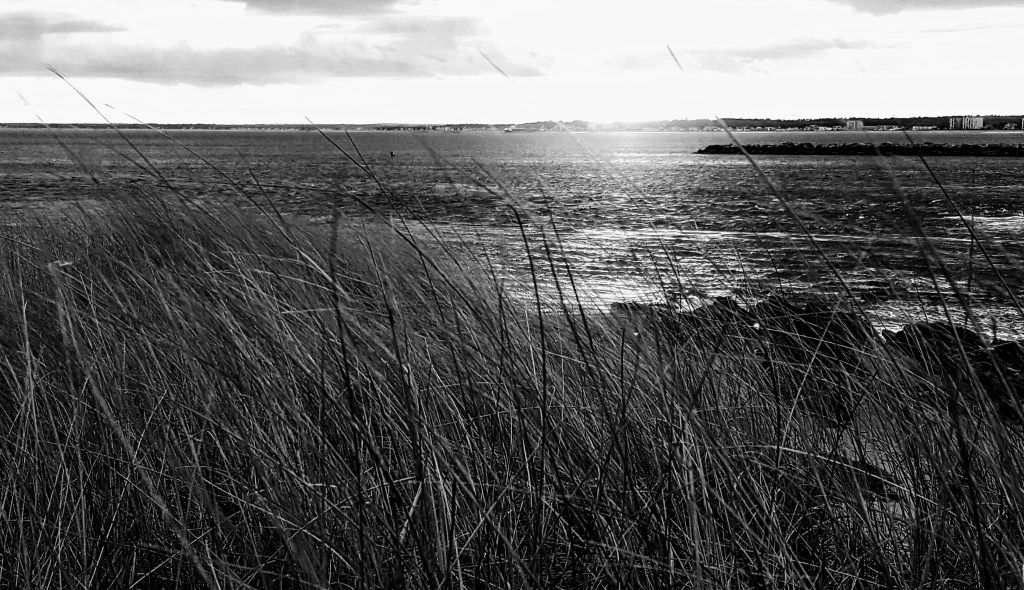






 Edge of Atlantic