Authentic freedom and love will not be captured by attachment. Therefore, the journey homeward does not lead toward new, more sophisticated addictions. If it is truly homeward, it leads toward liberation from addiction altogether. Obviously, it is a lifelong process… There is a strange sadness in this growing freedom. Our souls may have been scarred […]
We praise and thank you, Lord, for the uncertain, in-between times in our lives when we can be still and know that you are God. We praise and thank you for the hidden wonders of each day. We praise and thank you for acts of kindness, great and small, that serve to bring about your kingdom. We praise and thank you for the courage to place ourselves under your protection, not allowing fear to have the upper hand. We praise and thank you for your patience with our weakness, for being willing to work in and through us in ways we do not understand. We praise and thank you for our emptiness, which will one day be filled with your love. We praise and thank you for the silent wonders you work in us, preparing us for a life that will find its completion in you. Amen.
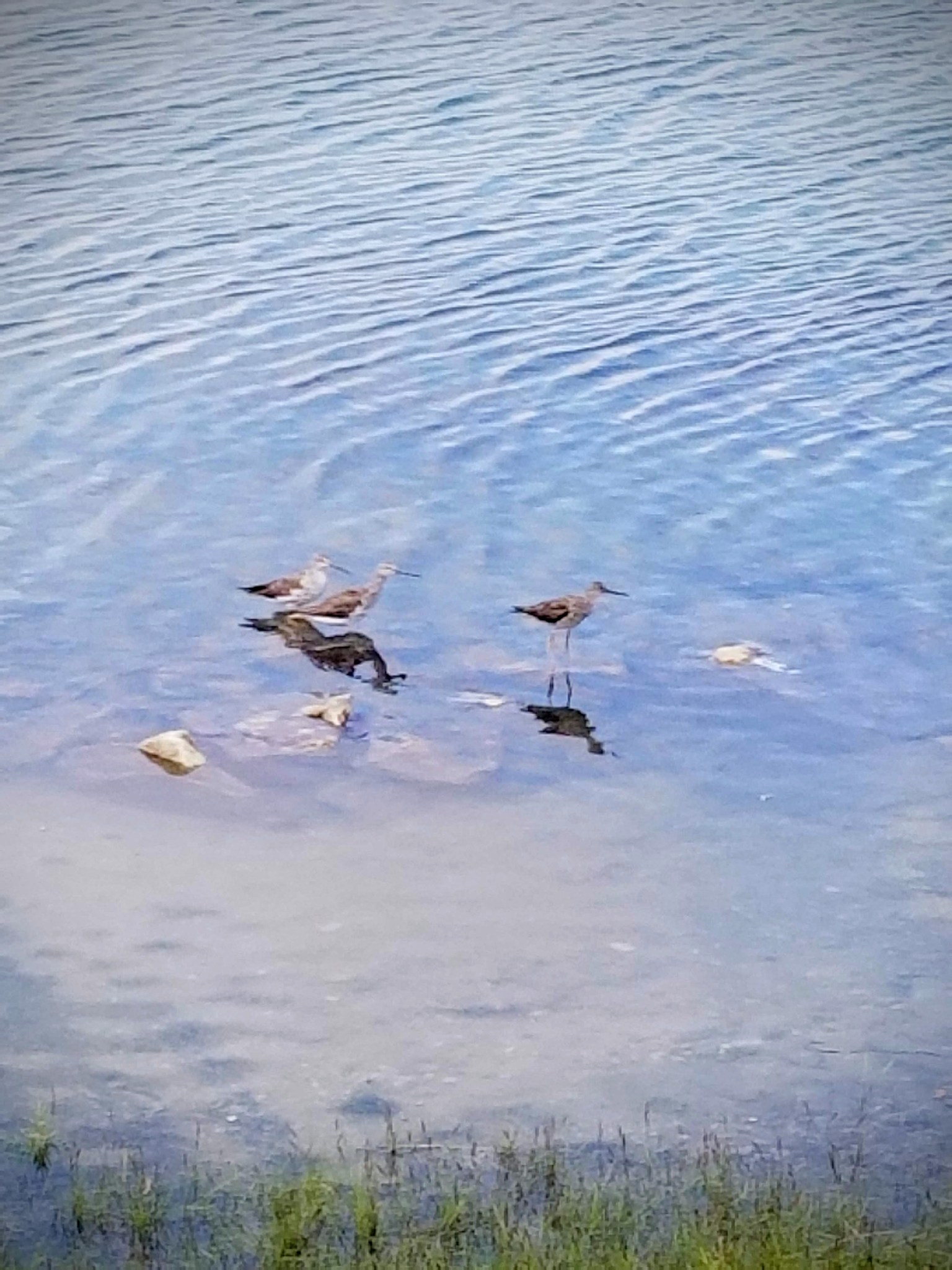
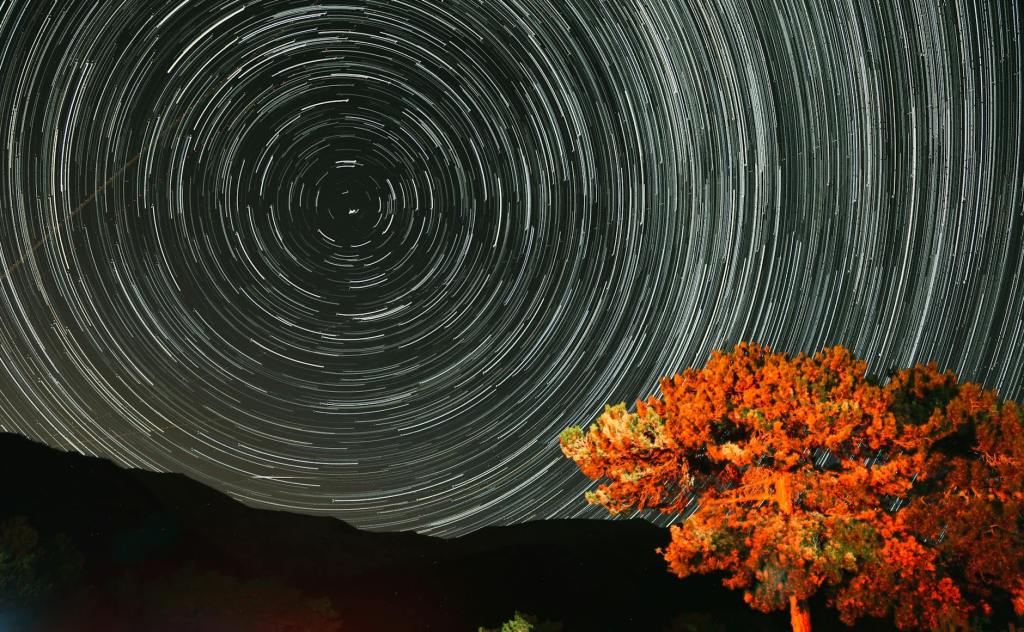
What is serious to men is often very trivial in the sight of God. What in God might appear to us as “play” is perhaps what he Himself takes most seriously. At any rate, the Lord plays and diverts Himself in the garden of His creation, and if we could let go of our own obsession with what we think is the meaning of it all, we might be able to hear His call and follow Him in His mysterious, cosmic dance. We do not have to go very far to catch echoes of that game, and of that dancing. When we are alone on a starlit night; when by chance we see the migrating birds in autumn descending on a grove of junipers to rest and eat; when we see children in a moment when they are really children; when we know love in our own hearts; or when, like the Japanese poet Bashō we hear an old frog land in a quiet pond with a solitary splash–at such times the awakening, the turning inside out of all values, the “newness,” the emptiness and the purity of vision that make themselves evident, provide a glimpse of the cosmic dance.
For the world and time are the dance of the Lord in emptiness. The silence of the spheres is the music of a wedding feast. The more we persist in misunderstanding the phenomena of life, the more we analyze them out into strange finalities and complex purposes of our own, the more we involve ourselves in sadness, absurdity and despair. But it does not matter much, because no despair of ours can alter the reality of things; or stain the joy of the cosmic dance which is always there. Indeed, we are in the midst of it, and it is in the midst of us, for it beats in our very blood, whether we want it to or not.
Yet the fact remains that we are invited to forget ourselves on purpose, cast our awful solemnity to the winds and join in the general dance.
Isaiah 58:5-10 Is such the fast that I choose, a day to humble oneself? Is it to bow down the head like a bulrush, and to lie in sackcloth and ashes? Will you call this a fast, a day acceptable to the Lord? Is not this the fast that I choose: to loose the bonds of injustice, to undo the thongs of the yoke, to let the oppressed go free, and to break every yoke? Is it not to share your bread with the hungry, and bring the homeless poor into your house; when you see the naked, to cover them, and not to hide yourself from your own kin? Then your light shall break forth like the dawn, and your healing shall spring up quickly; your vindicator shall go before you, the glory of the Lord shall be your rear guard. Then you shall call, and the Lord will answer; you shall cry for help, and he will say, Here I am. If you remove the yoke from among you, the pointing of the finger, the speaking of evil, if you offer your food to the hungry and satisfy the needs of the afflicted, then your light shall rise in the darkness and your gloom be like the noonday.
…anyone who is struggling with depression, addiction; anyone who may be giving up, suicidal or self-harming.
I know you. I think I know what you are going through. I’ve been there.
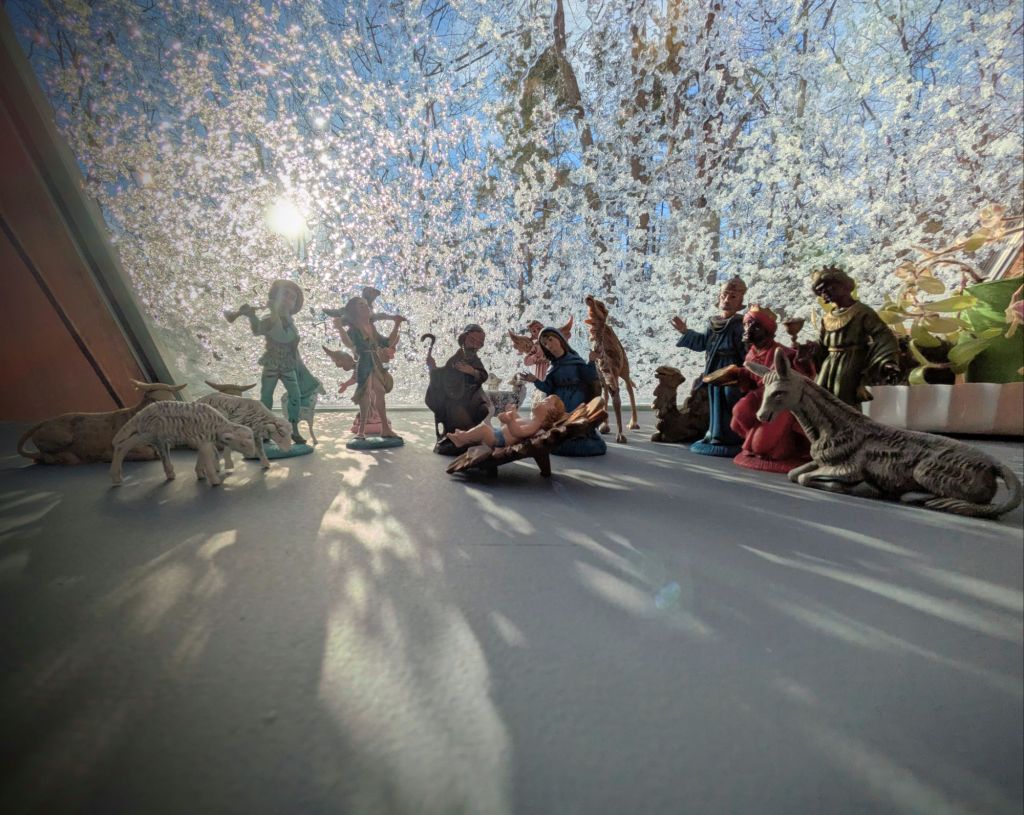
Nine years ago on December 22, 2016, a cold, icy day, with freezing rain pouring down, I pulled into my garage thinking it would be a good time for me to die there. I was so turned around and struggling to recover from addictions, the darkness of the winter solstice seemed to have found a home within me.
After what felt like hours, I realized that my plan was selfish and would only serve to hurt the people–family, friends–who had been caring for me, carrying me until I could get back on my feet. I reached out to people, wise friends and family, who gave me good orderly direction. They told me to listen to the professionals who, without hesitation, were there to guide me.
I spent Christmas and several days after in a mental hospital, a place where I found rest and a sense of peace that I hadn’t felt for several years. I’m not saying that the path was easy, far from it. But I was on a different path in a different direction.
Kenosis is a theological term. In short, it means that we empty our own will and become entirely receptive to God’s will for us. The God that I came to know and hear was not a Catholic or Christian God, not Allah, not Yahweh, not Buddha but an internal light that shone on my place in the unified field of existence.
Over time I learned to listen to the wisdom of others who had lived through similar experiences, no longer trying to control the direction of my life.
So today I bless you and pray you can make the turn to life, the life you are meant to live.
If you are interested in a completely anonymous chat, please contact me.
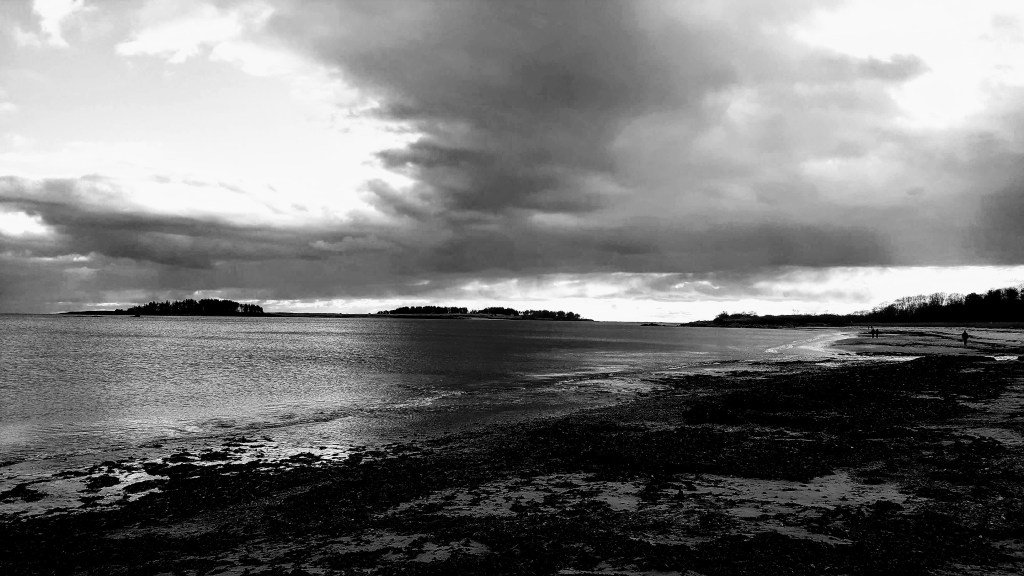
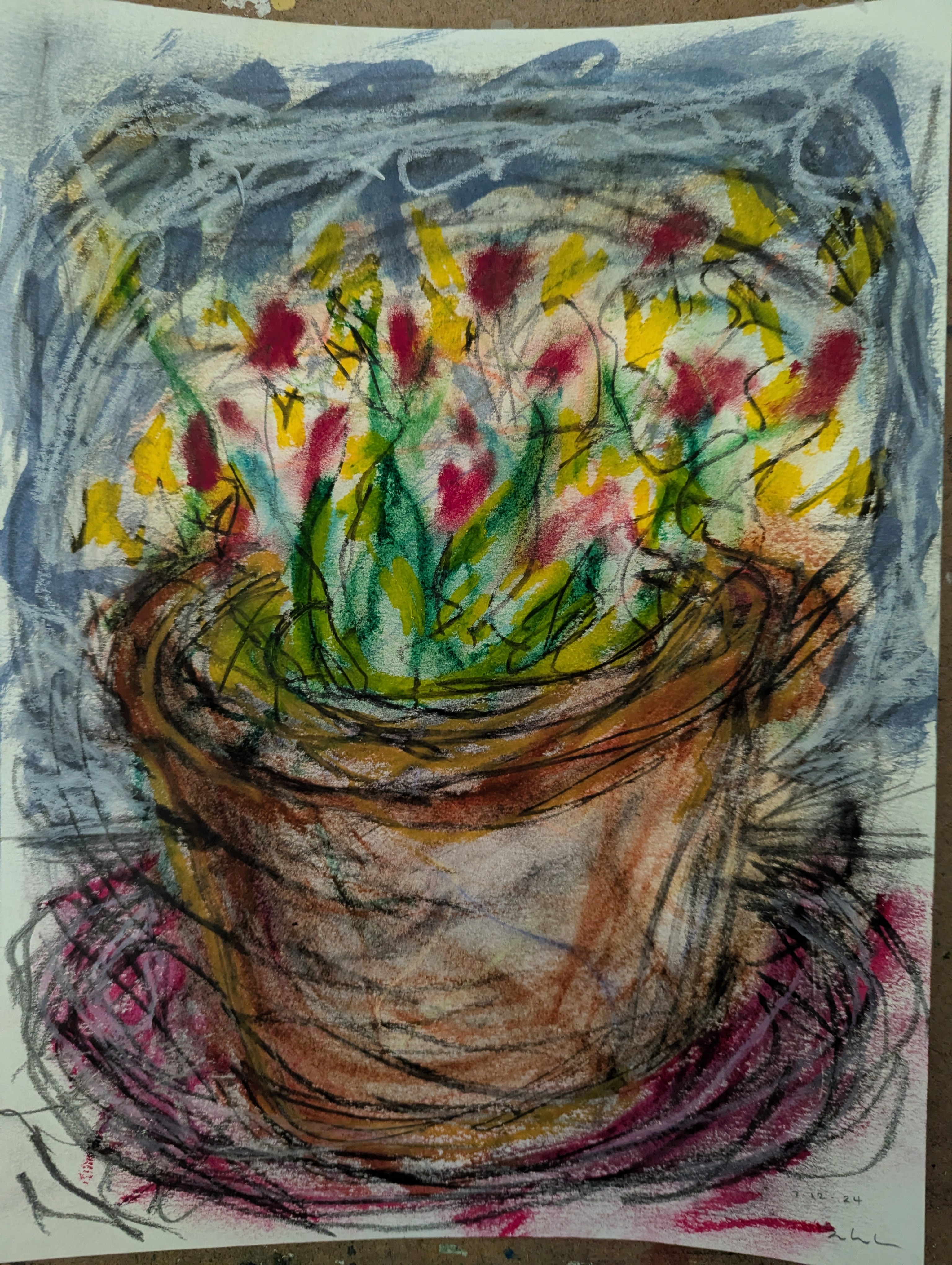
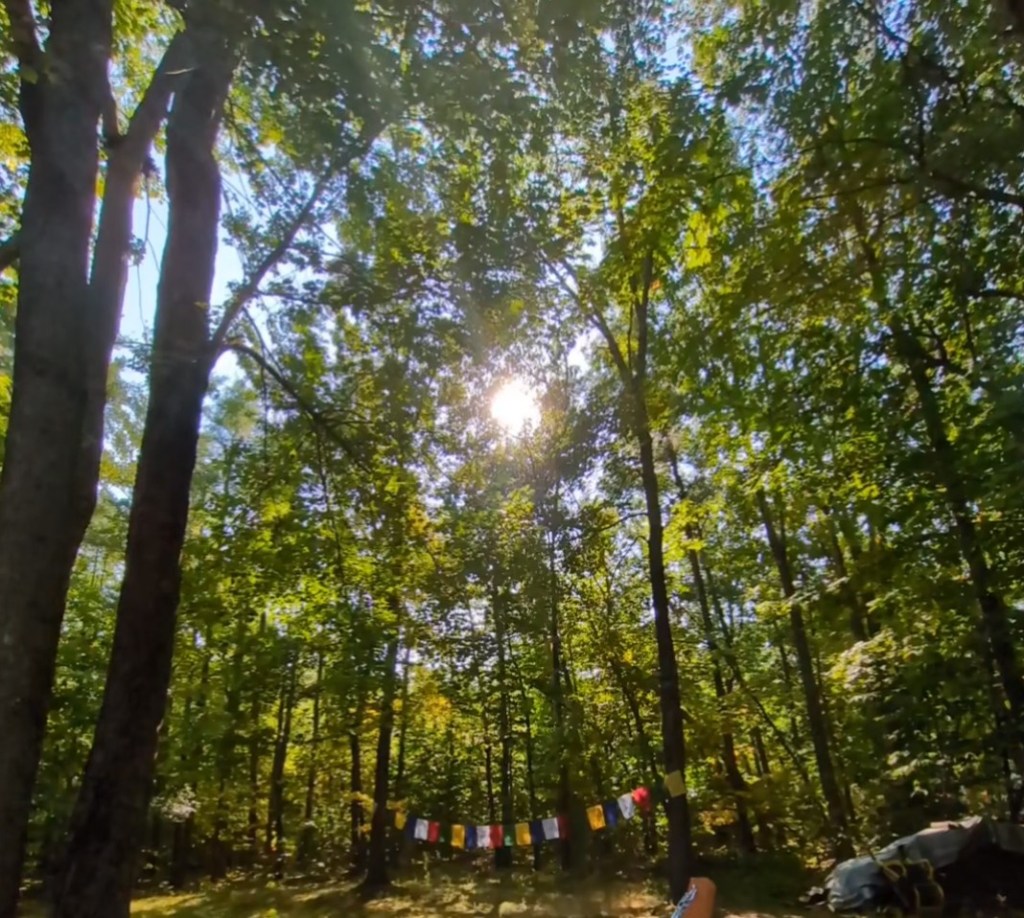
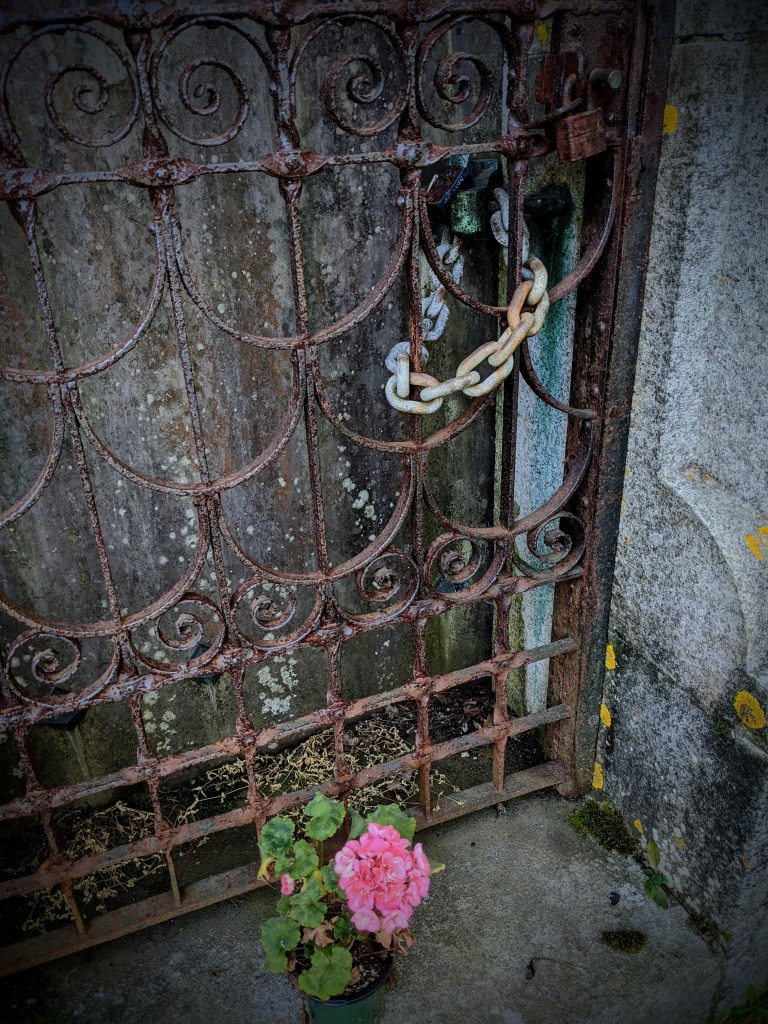
My world in December 2016:
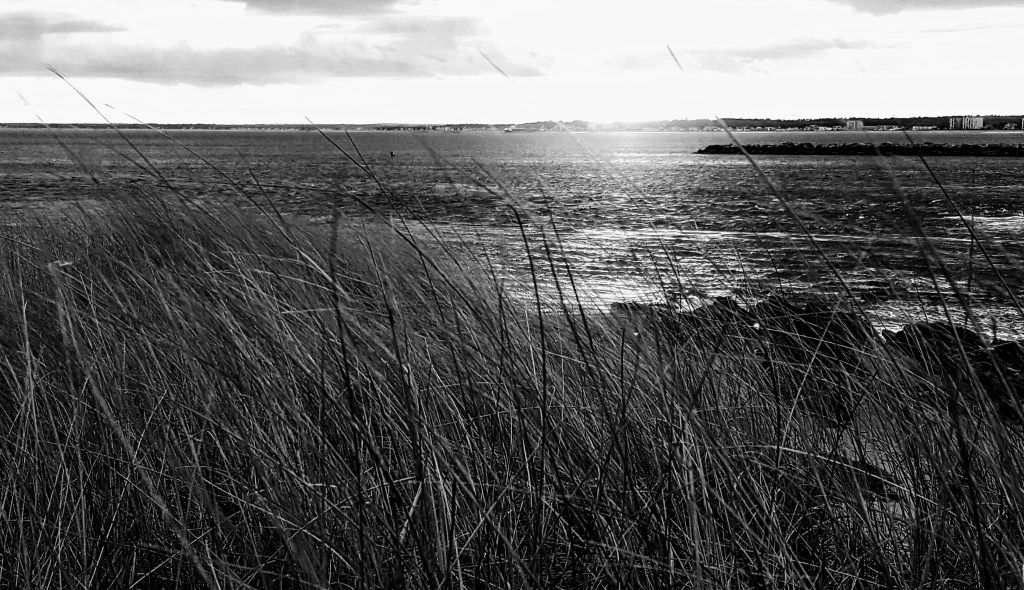
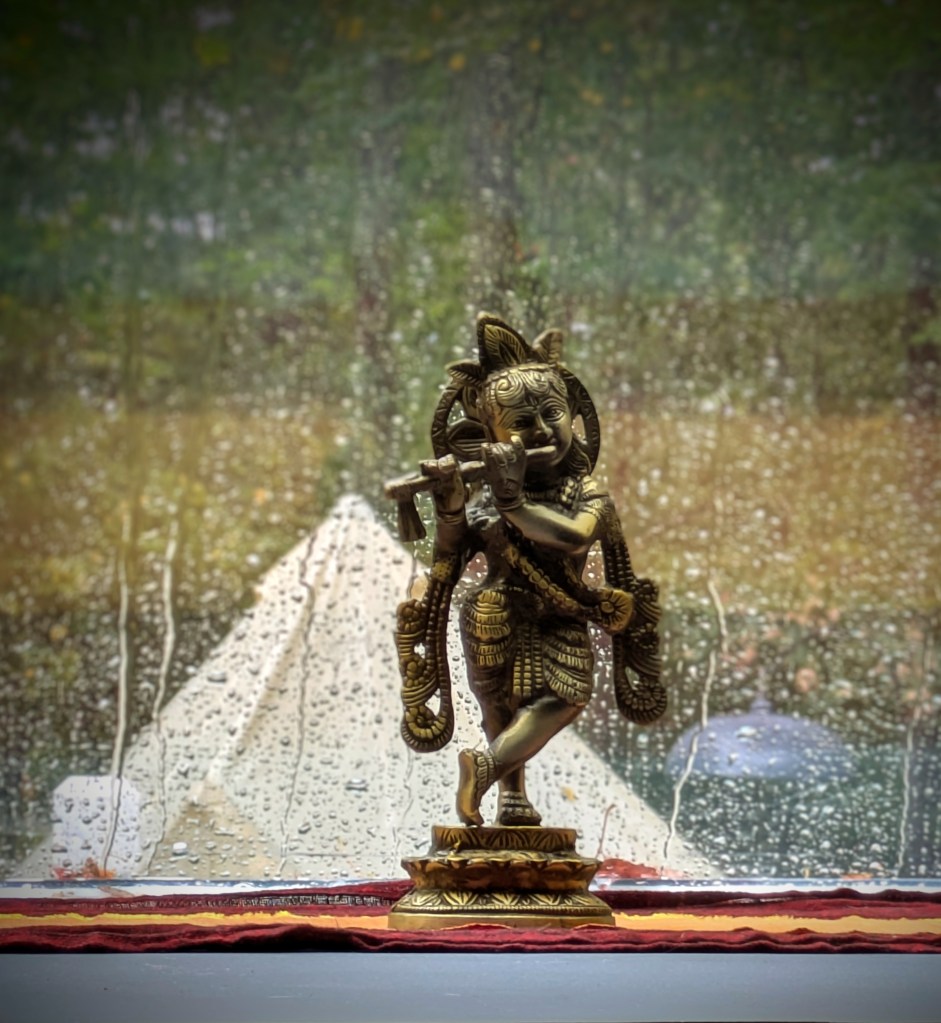
My world today
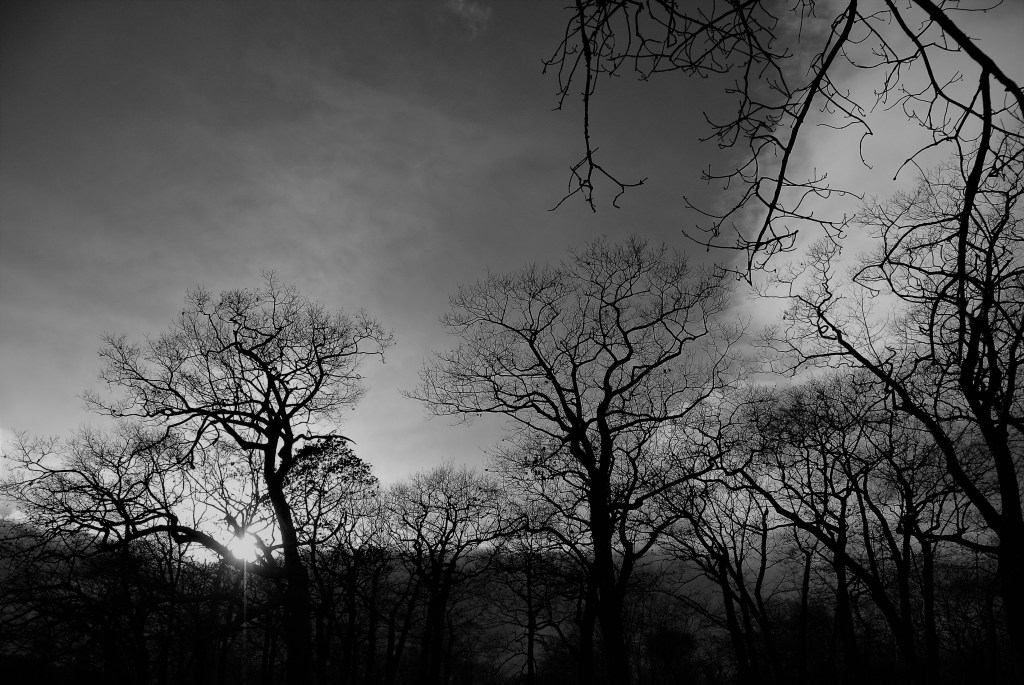
On this day when the earth begins to turn towards the light, I wish you peace and all good things.
Strangely, forgiveness never arises from the part of us that was actually wounded. The wounded self may be the part of us incapable of forgetting, and perhaps, not actually meant to forget, as if, like the foundational dynamics of the physiological immune system our psychological defenses must remember and organize against any future attacks — after all, the identity of the one who must forgive is actually founded on the very fact of having been wounded.
Stranger still, it is that wounded, branded, un-forgetting part of us that eventually makes forgiveness an act of compassion rather than one of simple forgetting. To forgive is to assume a larger identity than the person who was first hurt, to mature and bring to fruition an identity that can put its arm, not only around the afflicted one within but also around the memories seared within us by the original blow and through a kind of psychological virtuosity, extend our understanding to one who first delivered it. Forgiveness is a skill, a way of preserving clarity, sanity and generosity in an individual life, a beautiful way of shaping the mind to a future we want for ourselves; an admittance that if forgiveness comes through understanding, and if understanding is just a matter of time and application then we might as well begin forgiving right at the beginning of any drama rather than put ourselves through the full cycle of festering, incapacitation, reluctant healing and eventual blessing.
To forgive is to put oneself in a larger gravitational field of experience than the one that first seemed to hurt us. We reimagine ourselves in the light of our maturity and we reimagine the past in the light of our new identity, we allow ourselves to be gifted by a story larger than the story that first hurt us and left us bereft.



 Edge of Atlantic