To bless means to say good things. We have to bless one another constantly. Parents need to bless their children, children their parents, husbands their wives, wives their husbands, friends their friends. In our society, so full of curses, we must fill each place we enter with our blessings. We forget so quickly that we are God’s beloved children and allow the many curses of our world to darken our hearts. Therefore we have to be reminded of our belovedness and remind others of theirs. Whether the blessing is given in words or with gestures, in a solemn or an informal way, our lives need to be blessed lives.
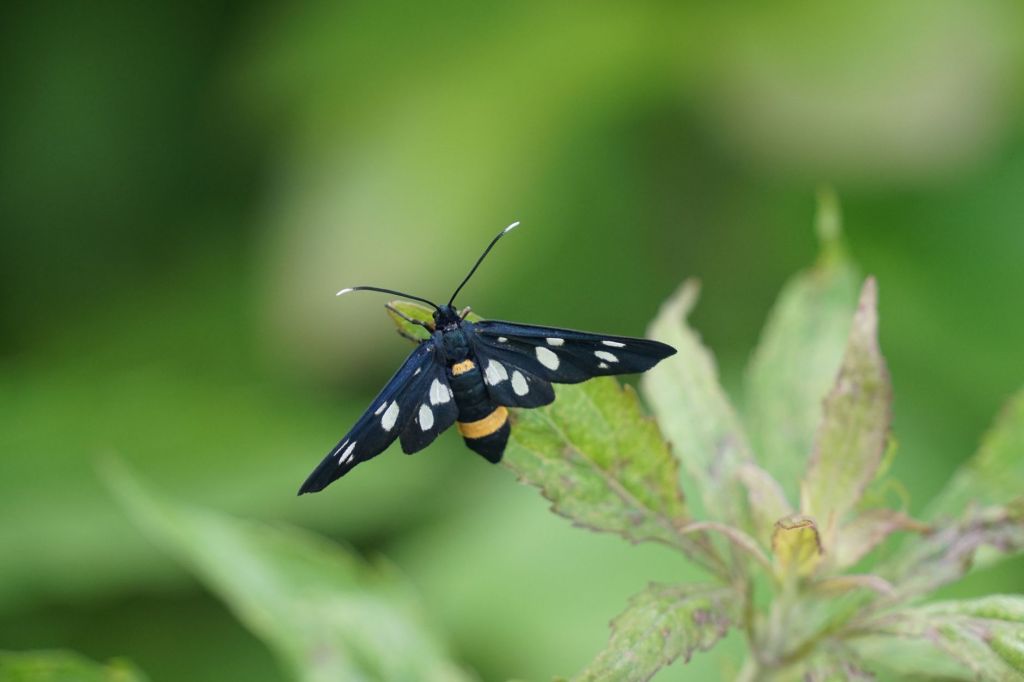
If you hold close to nature, to what is simple in it, to the small things people hardly see and which all of a sudden can become great and immeasurable; if you have this love for what is slight, and quite unassumingly, as a servant, seek to win the confidence of what seems poor – then everything will grow easier, more unified and somehow more conciliatory, not perhaps in the intellect, which, amazed, remains a step behind, but in your deepest consciousness, watchfulness and knowledge.
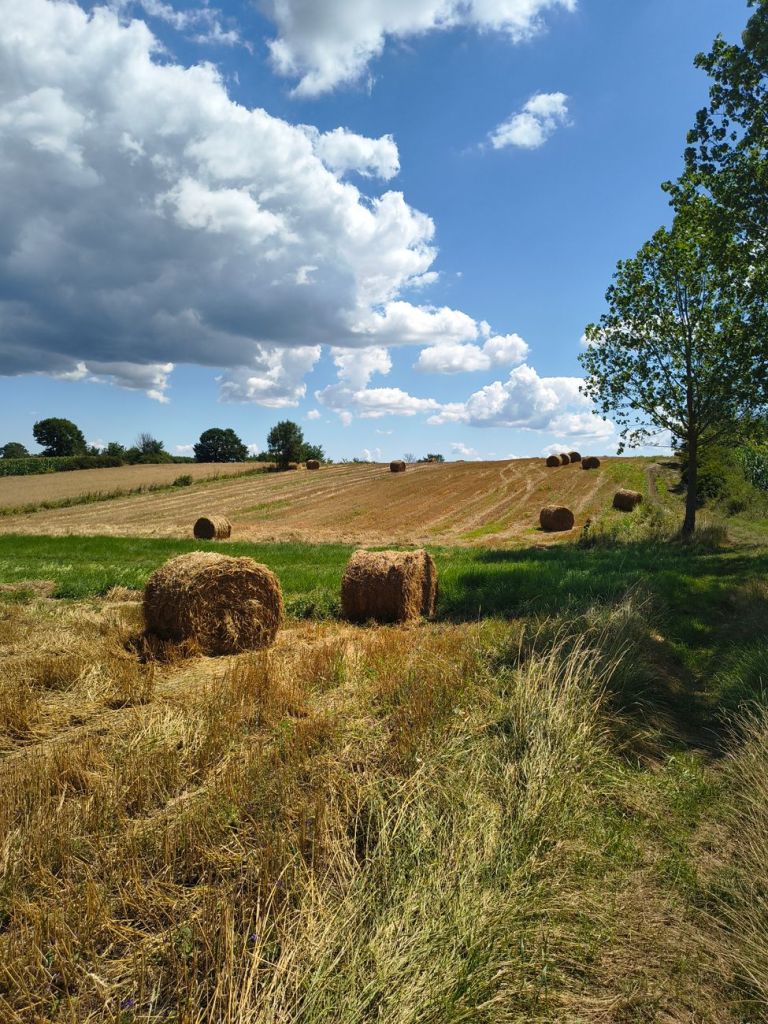
I have seen the sun break through to illuminate a small field for a while, and gone my way and forgotten it. But that was the pearl of great price, the one field that had treasure in it. I realise now that I must give all that I have to possess it. Life is not hurrying
on to a receding future, nor hankering after an imagined past. It is the turning aside like Moses to the miracle of the lit bush, to a brightness that seemed as transitory as your youth once, but is the eternity that awaits you.
When in the soul of the serene disciple With no more Fathers to imitate Poverty is a success, It is a small thing to say the roof is gone: He has not even a house.
Stars, as well as friends, Are angry with the noble ruin. Saints depart in several directions.
Be still: There is no longer any need of comment. It was a lucky wind That blew away his halo with his cares, A lucky sea that drowned his reputation.
Here you will find Neither a proverb nor a memorandum. There are no ways, No methods to admire Where poverty is no achievement. His God lives in his emptiness like an affliction.
What choice remains? Well, to be ordinary is not a choice: It is the usual freedom Of men without visions.
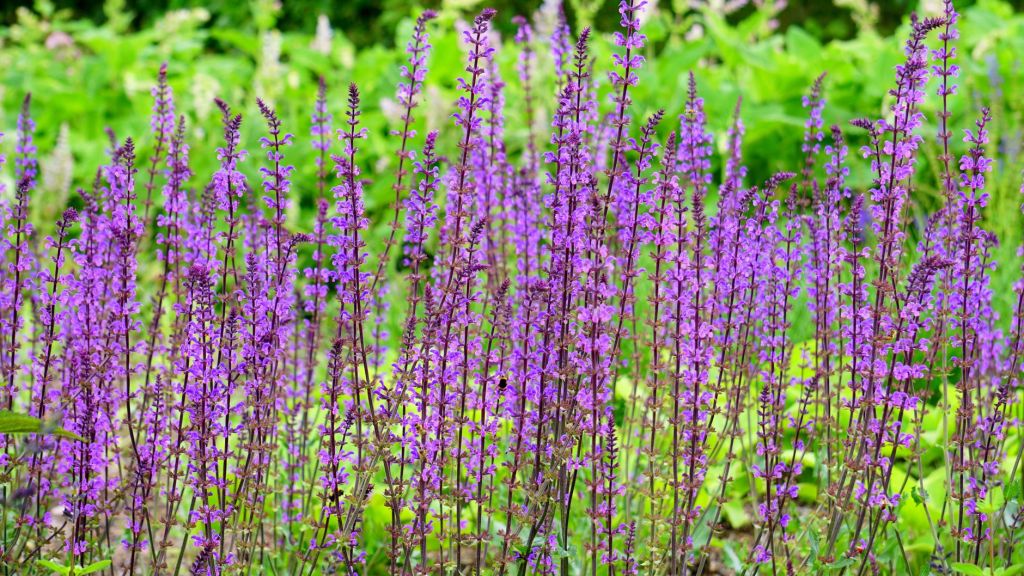
I think it pisses God off if you walk by the color purple in a field somewhere and don’t notice it. People think pleasing God is all God cares about. But any fool in the world can see [God is] always trying to please us back…. always making little surprises and springing them on us when us least expect it. – Alice Walker, from The Color Purple
Solitude is one of the most precious things in the human spirit. It is different from loneliness. When you are lonely, you become acutely conscious of your own separation. Solitude can be a homecoming to your own deepest belonging. One of the lovely things about us as individuals is the incommensurable in us. In each person, there is a point of absolute non connection with everything else and with everyone. This is fascinating and frightening. It means that we cannot continue to seek outside ourselves for the things we need from within. The blessings for which we hunger are not to be found in other places or people. These gifts can only be given to you by yourself. – John O’Donohue, from Anam Cara
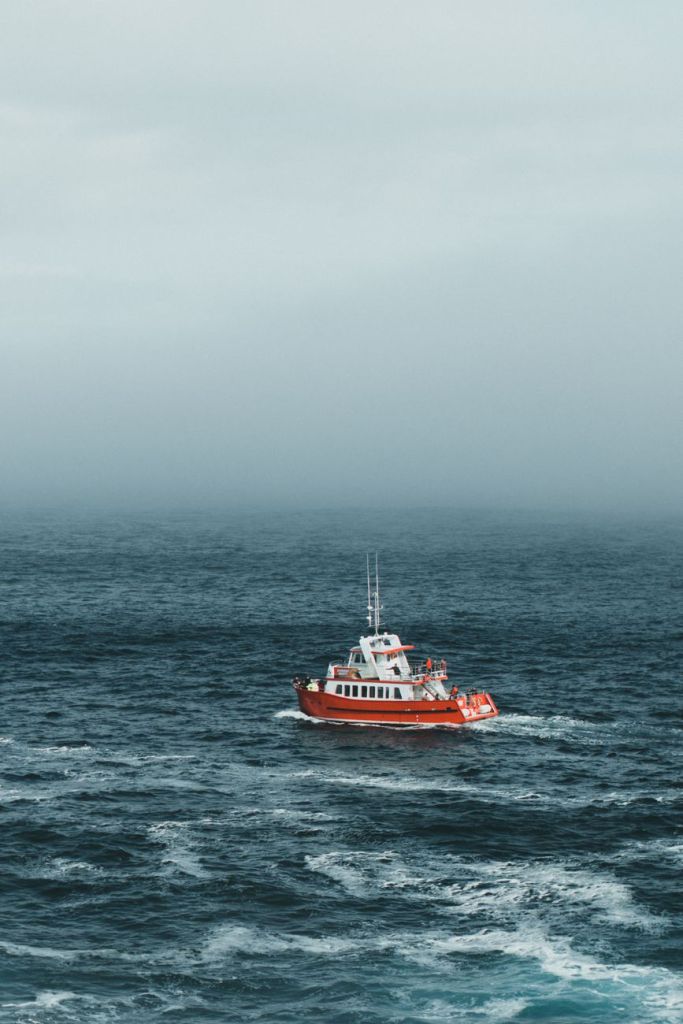
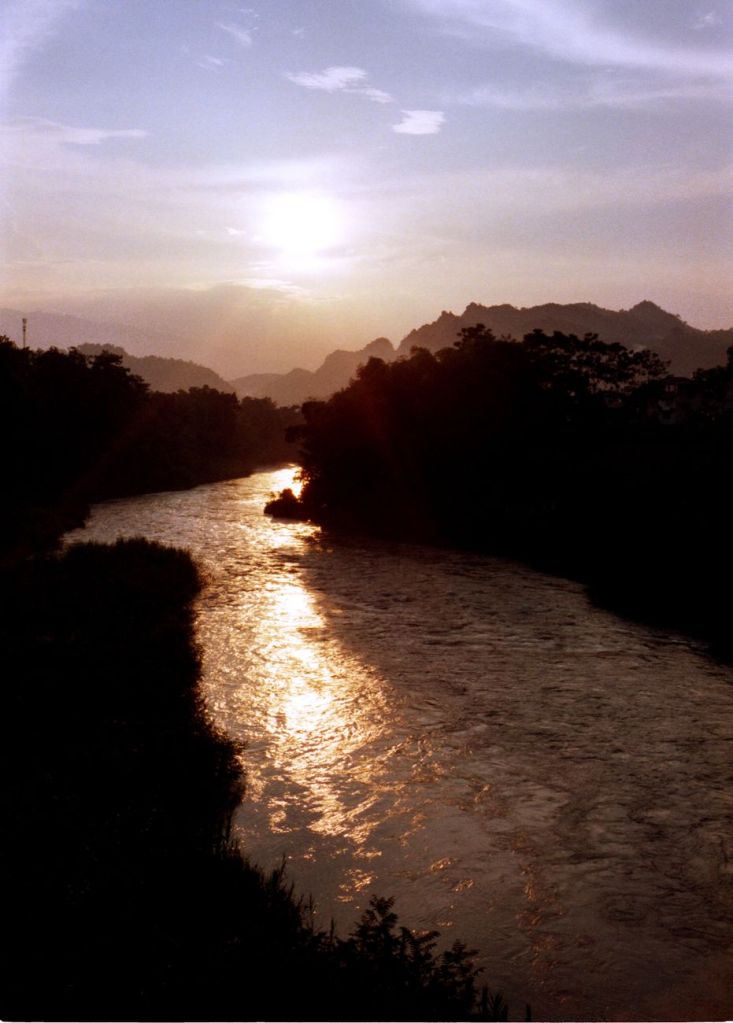
But in an old man who has known human joys and sorrows, and has achieved whatever work it was in him to do, the fear of death is somewhat abject and ignoble.The best way to overcome it—so at least it seems to me—is to make your interests gradually wider and more impersonal, until bit by bit the walls of the ego recede, and your life becomes increasingly merged in the universal life. An individual human existence should be like a river: small at first, narrowly contained within its banks, and rushing passionately past rocks and over waterfalls. Gradually the river grows wider, the banks recede, the waters flow more quietly, and in the end, without any visible break, they become merged in the sea, and painlessly lose their individual being.
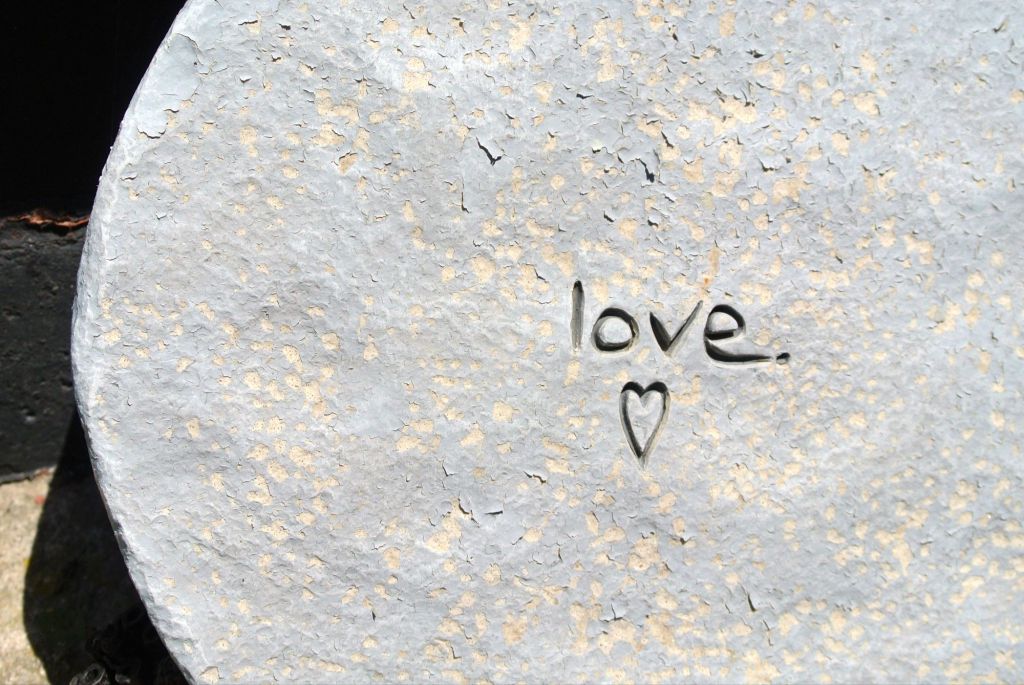
Whenever I groan within myself and think how hard it is to keep writing about love in these times of tension and strife which may at any moment become for us all a time of terror, I think to myself, “What else is the world interested in?” What else do we all want, each one of us, except to love and be loved, in our families, in our work, in all our relationships. God is Love. Love casts out fear. Even the most ardent revolutionist, seeking to change the world, to overturn the tables of the money changers, is trying to make a world where it is easier for people to love, to stand in that relationship with each other of love. We want with all our hearts to love, to be loved. And not just in the family but to look upon all as our mothers, sisters, brothers, children. It is when we love the most intensely and most humanly, that we can recognize how tepid is our love for others. The keenness and intensity of love brings with it suffering, of course, but joy too because it is a foretaste of heaven. – Dorothy Day


 Edge of Atlantic