When you finally come to maturity, you can look back at your life and forgive every bit of it. You can let go of everyone who hurt you, even your first wife or husband. You don’t even need to hate the church that hurt you. Wisdom is where you see it all and you eliminate none of it and include all of it as important training. Finally, “everything belongs.” You are able to say, from some larger place that even surprises you, “It is what it is” and even the “bad” was good.
These are the people who will change the world. These are the people who will transform history. We call them “larger than life” because they are living more than their own life. As Paul says, “I live no longer, not I, but Christ lives in me” (Galatians 2:20). Non-dualistic people are able to be fully present to the now and trust God with the future and the past. God can use them because their small and petty self is finally out of the way.
Al-Ghaffar is inexhaustible forgiveness. It is repetitive. Even though you may repeat the same error over and over again, you never come to the end of God’s forgiveness, which is inexhaustible. A form of the root of al-Ghaffar means a substance bees make that the Arabs used to fill in the cracks of a dried- out, old leather water skin, so that it no longer leaks. Divine forgiveness repairs human dryness and brittleness in a similar way
Invocation of Ya Ghaffar offers a healing salve that is an antidote for self-loathing, guilt, and blame. It is especially useful to bring this emanation of divine forgiveness into the places where you have been marked by impressions of self-deficiency that have been reinforced time and again. Al-Ghaffar brings moisture back into the system. An even more complete realization of the nature of divine forgiveness may occur when this Name is paired in repetition with Ya Ghafur, which shares the same root.
From Physicians of the Heart: A Sufi View of the Ninety-Nine Names of Allah
Is such the fast that I choose, a day to humble oneself? Is it to bow down the head like a bulrush, and to lie in sackcloth and ashes? Will you call this a fast, a day acceptable to the Lord? Is not this the fast that I choose: to loose the bonds of injustice, to undo the thongs of the yoke, to let the oppressed go free, and to break every yoke? Is it not to share your bread with the hungry, and bring the homeless poor into your house; when you see the naked, to cover them, and not to hide yourself from your own kin? Then your light shall break forth like the dawn, and your healing shall spring up quickly; your vindicator shall go before you, the glory of the Lord shall be your rear guard. Then you shall call, and the Lord will answer; you shall cry for help, and he will say, Here I am. If you remove the yoke from among you, the pointing of the finger, the speaking of evil, if you offer your food to the hungry and satisfy the needs of the afflicted, then your light shall rise in the darkness and your gloom be like the noonday.
Many voices ask for our attention. There is a voice that says, “Prove that you are a good person.” Another voice says, “You’d better be ashamed of yourself.” There also is a voice that says, “Nobody really cares about you,” and one that says, “Be sure to become successful, popular, and powerful.” But underneath all these often very noisy voices is a still, small voice that says, “You are my Beloved, my favor rests on you.” That’s the voice we need most of all to hear. To hear that voice, however, requires special effort; it requires solitude, silence, and a strong determination to listen.
That’s what prayer is. It is listening to the voice that calls us “my Beloved. – Henri Nouwen
Each day we must seek a forgiving heart, for without the cultivation of an attitude of forgiveness we will never be at peace. We will live in forgiveness only to the extent we can truly become forgiving persons ourselves.
Always We Begin Again, The Benedictine Way of Living, John McQuiston II
Some time when the river is ice ask me mistakes I have made. Ask me whether what I have done is my life. Others have come in their slow way into my thought, and some have tried to help or to hurt: ask me what difference their strongest love or hate has made.
I will listen to what you say. You and I can turn and look at the silent river and wait. We know the current is there, hidden; and there are comings and goings from miles away that hold the stillness exactly before us. What the river says, that is what I say.
Authentic freedom and love will not be captured by attachment. Therefore, the journey homeward does not lead toward new, more sophisticated addictions. If it is truly homeward, it leads toward liberation from addiction altogether. Obviously, it is a lifelong process… There is a strange sadness in this growing freedom. Our souls may have been scarred […]
This is my commandment, you must love one another. – Jesus of Nazareth
My religion is kindness, only kindness. – The Dalai Lama
And the servants of the Most Merciful are those who walk upon the earth easily, and when the ignorant address them [harshly], they say [words of] peace. – The Quran
…anyone who is struggling with depression, addiction; anyone who may be giving up, suicidal or self-harming.
I know you. I think I know what you are going through. I’ve been there.
Nine years ago on December 22, 2016, a cold, icy day, with freezing rain pouring down, I pulled into my garage thinking it would be a good time for me to die there. I was so turned around and struggling to recover from addictions, the darkness of the winter solstice seemed to have found a home within me.
After what felt like hours, I realized that my plan was selfish and would only serve to hurt the people–family, friends–who had been caring for me, carrying me until I could get back on my feet. I reached out to people, wise friends and family, who gave me good orderly direction. They told me to listen to the professionals who, without hesitation, were there to guide me.
I spent Christmas and several days after in a mental hospital, a place where I found rest and a sense of peace that I hadn’t felt for several years. I’m not saying that the path was easy, far from it. But I was on a different path in a different direction.
Kenosis is a theological term. In short, it means that we empty our own will and become entirely receptive to God’s will for us. The God that I came to know and hear was not a Catholic or Christian God, not Allah, not Yahweh, not Buddha but an internal light that shone on my place in the unified field of existence.
Over time I learned to listen to the wisdom of others who had lived through similar experiences, no longer trying to control the direction of my life.
So today I bless you and pray you can make the turn to life, the life you are meant to live.
If you are interested in a completely anonymous chat, please contact me.
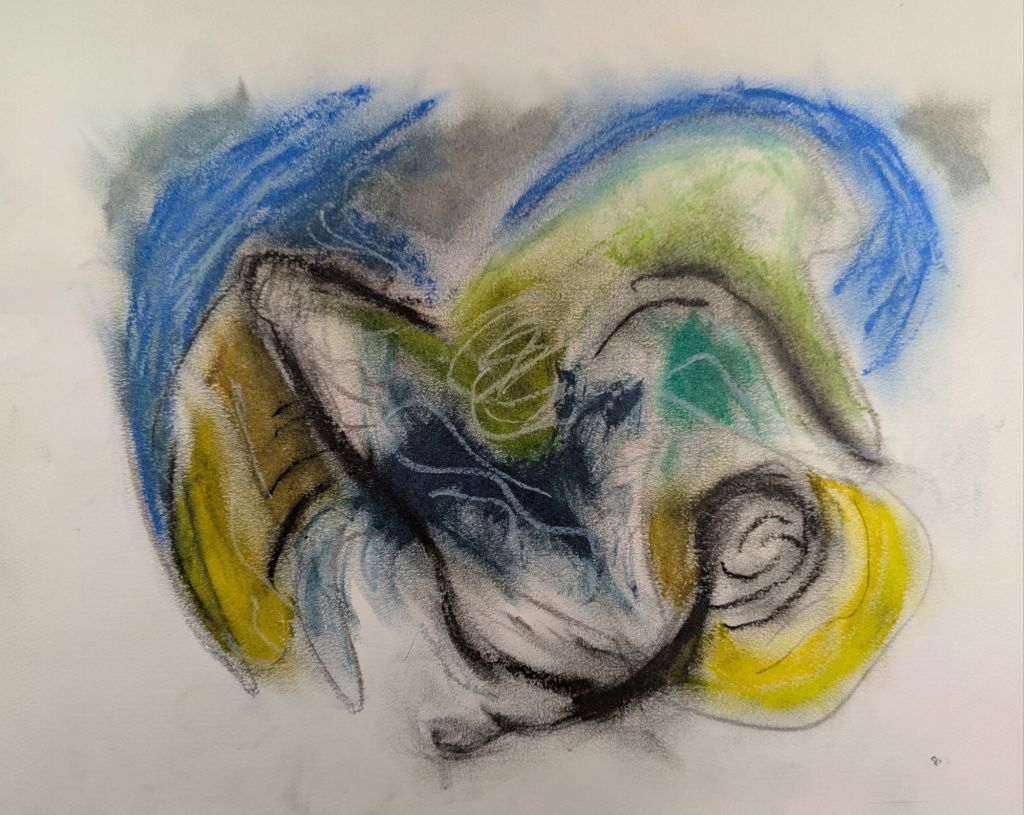
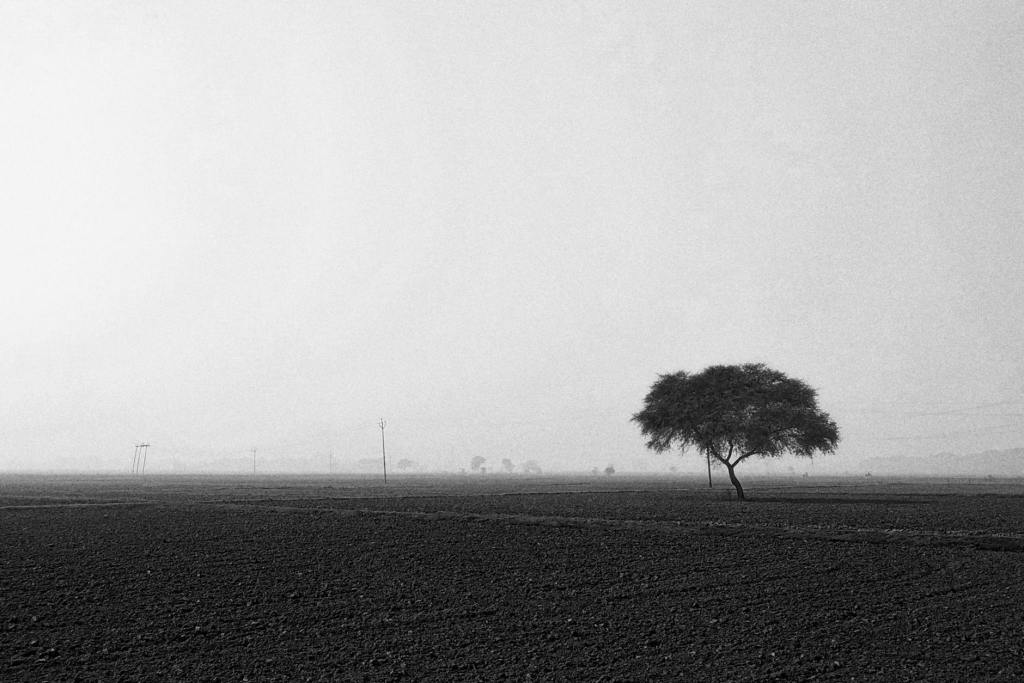
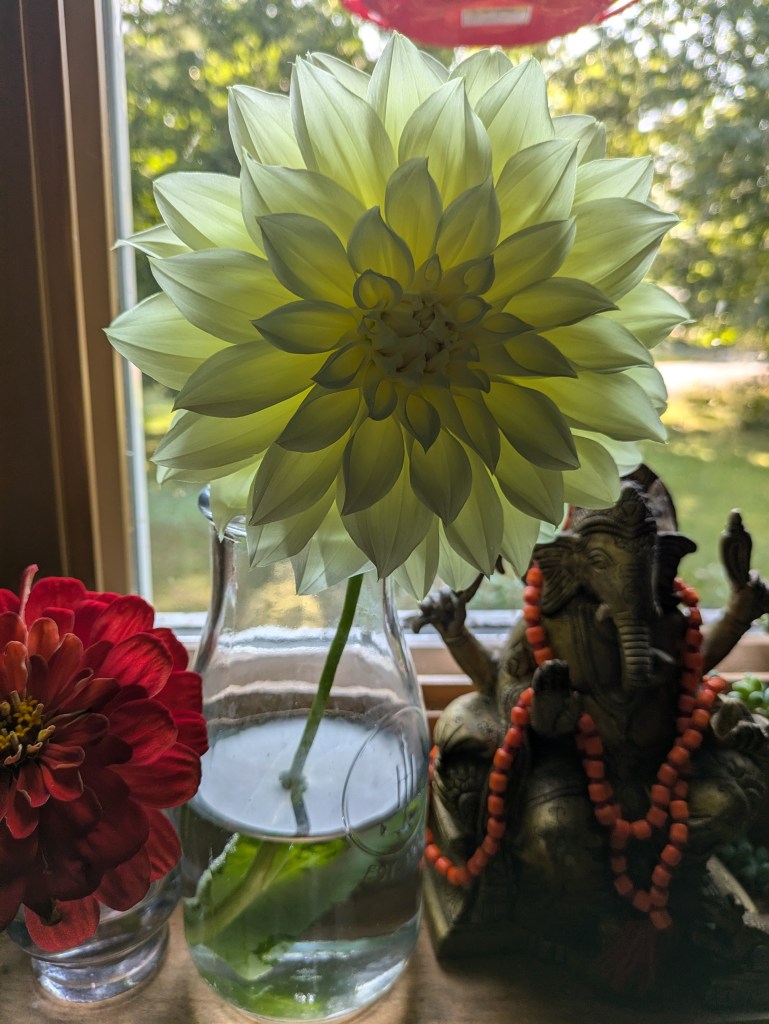
My world in December 2016:
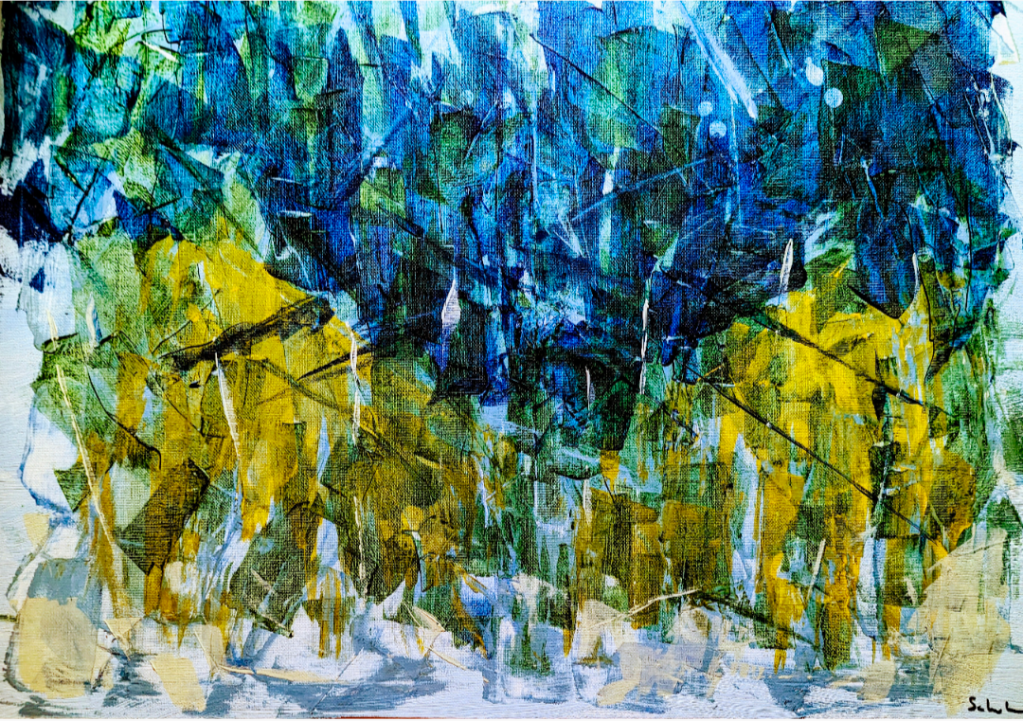
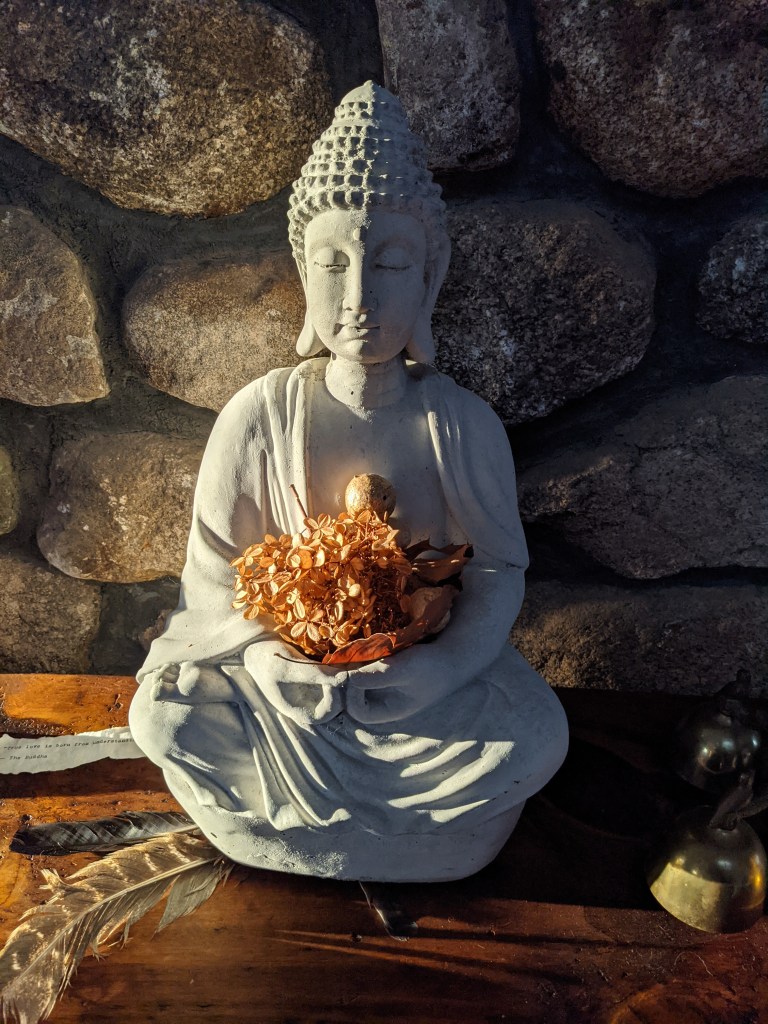
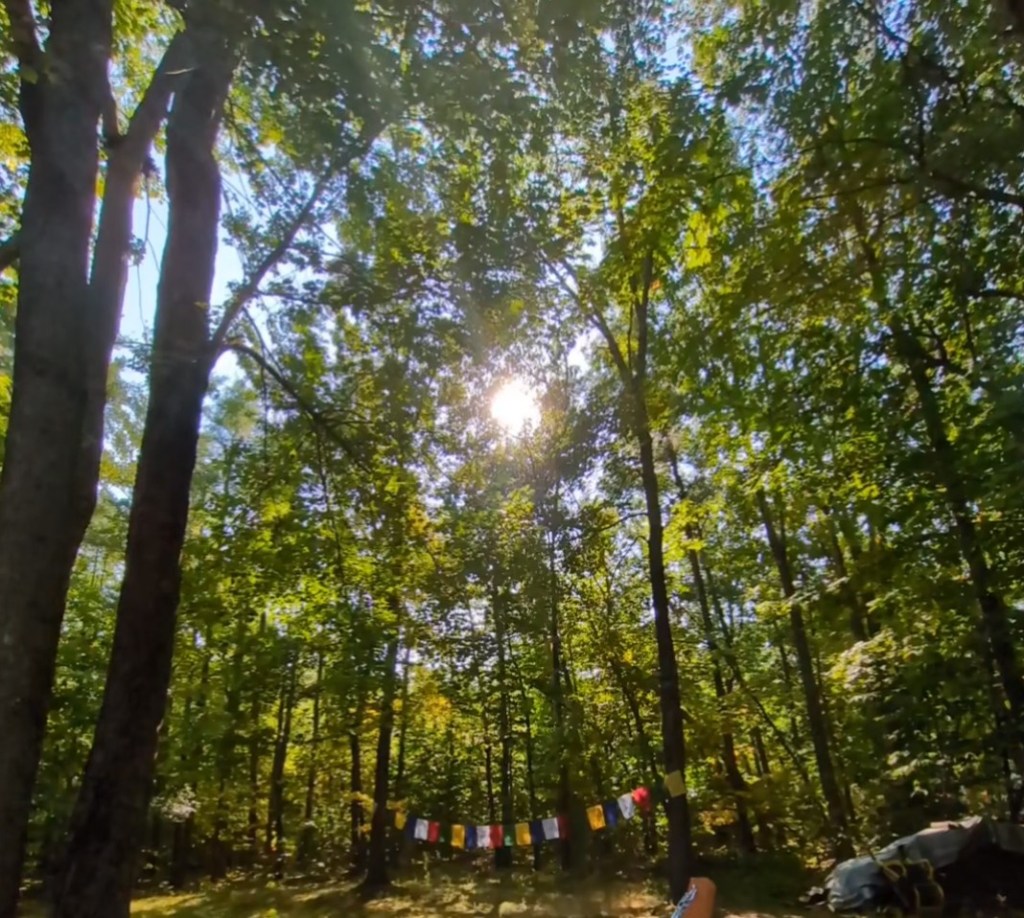
My world today
On this day when the earth begins to turn towards the light, I wish you peace and all good things.



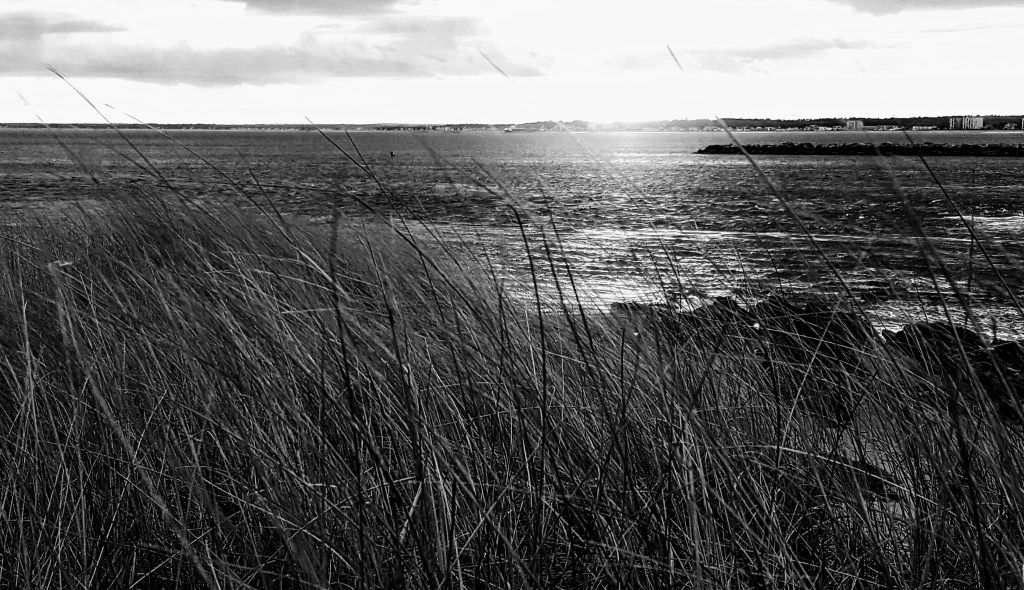



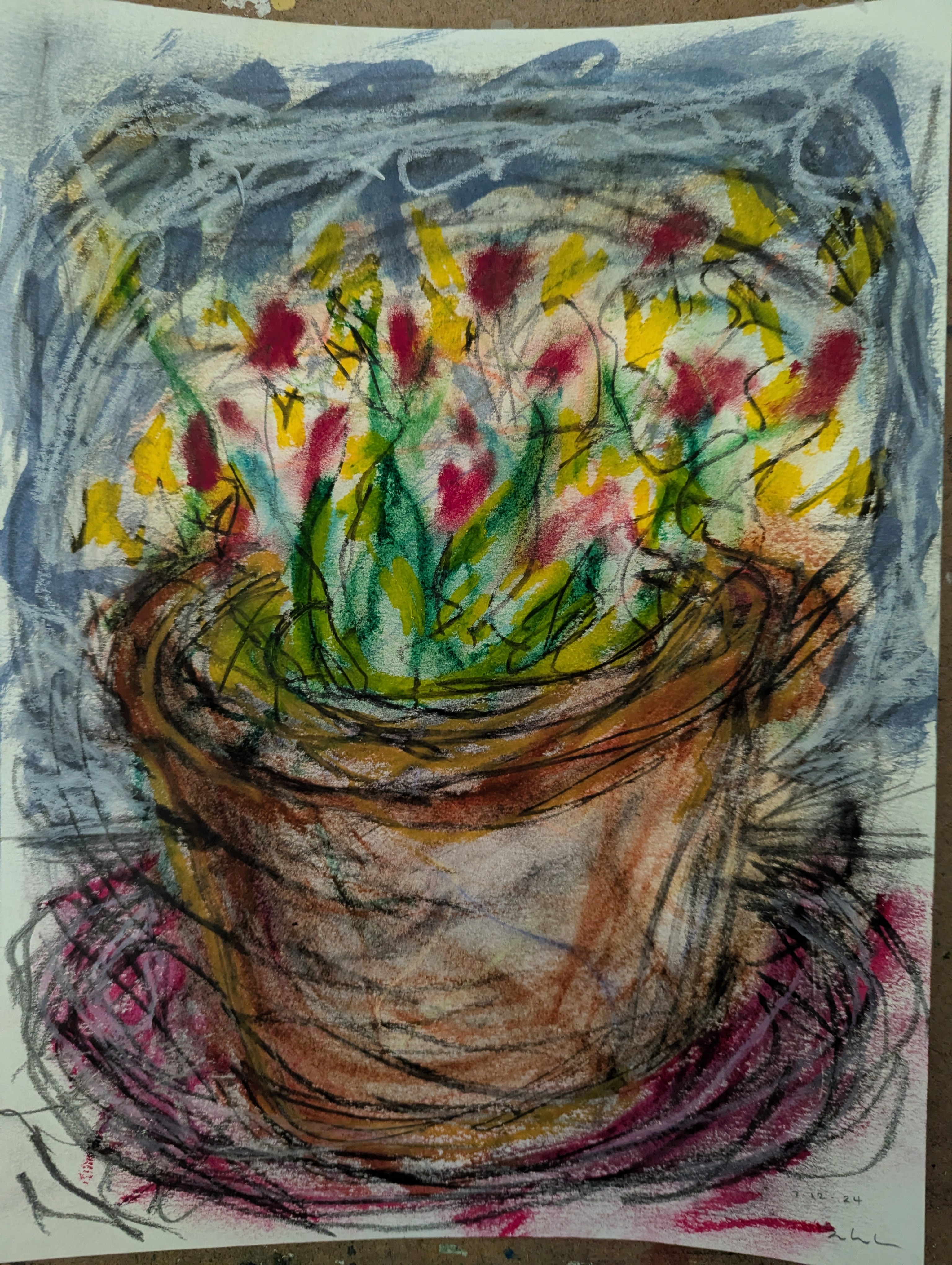
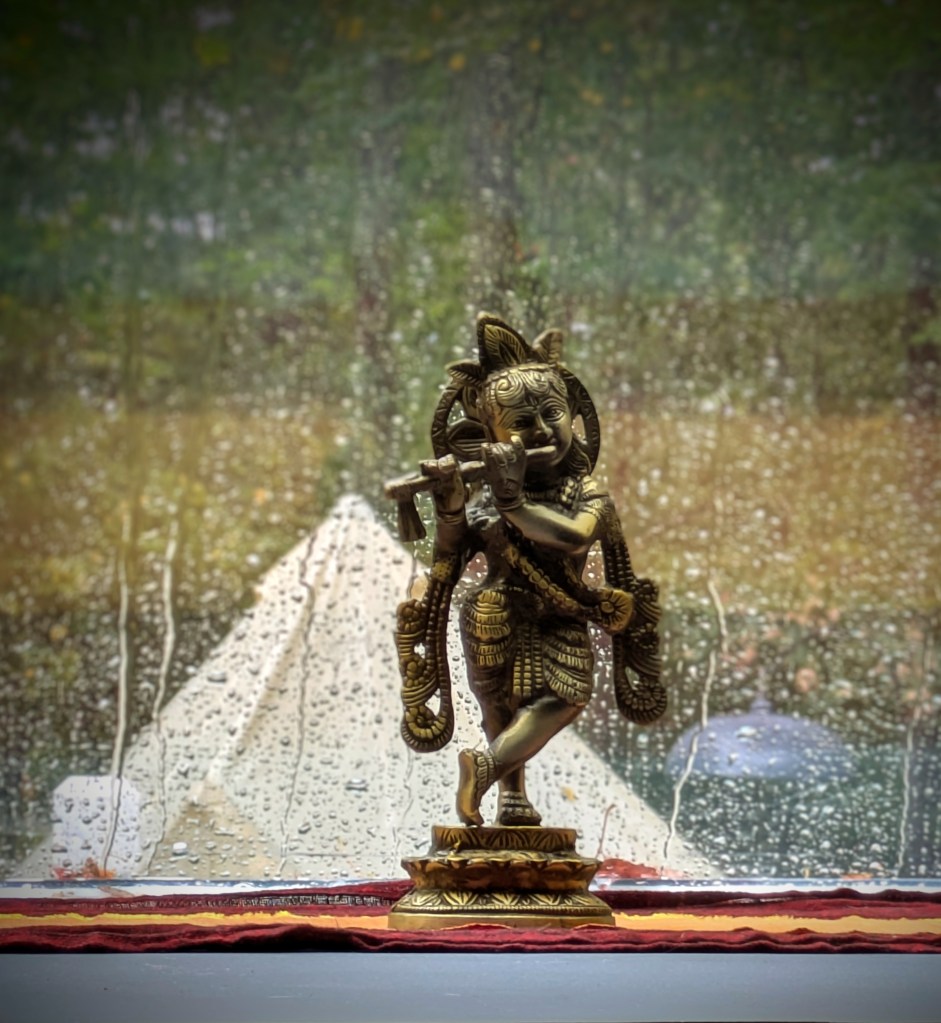

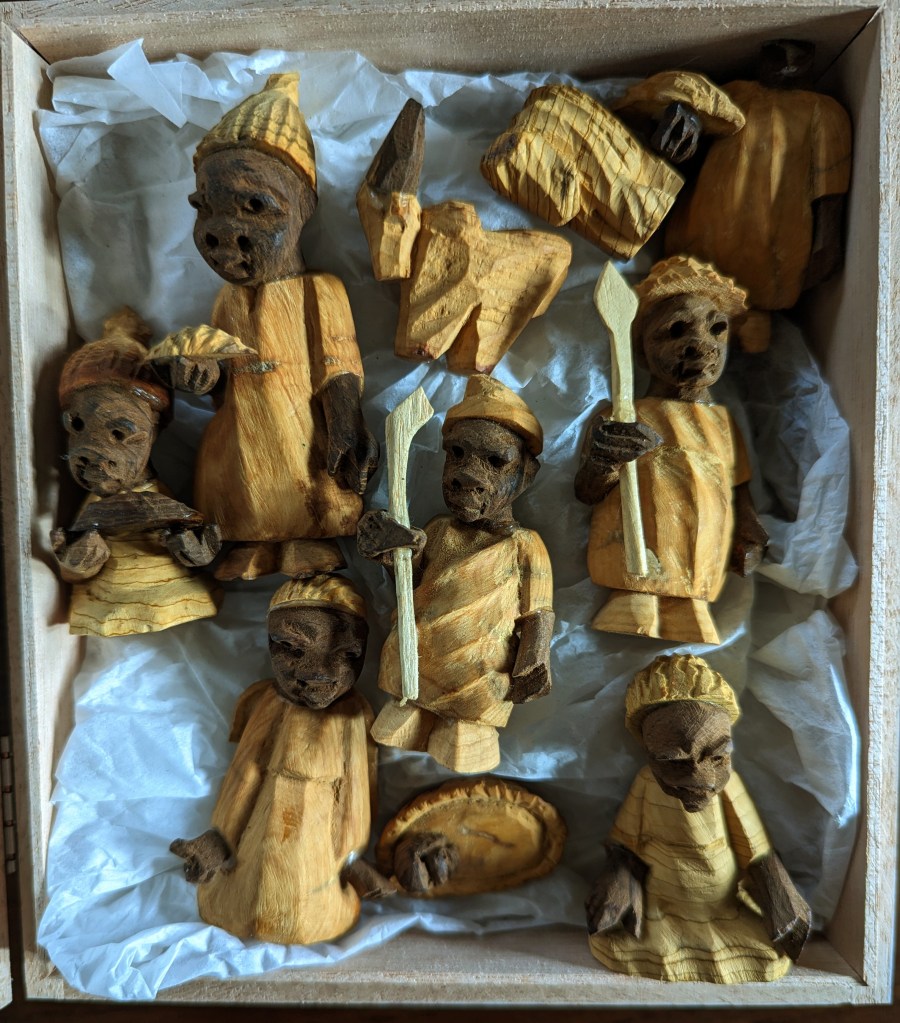
 Edge of Atlantic