One thing that comes out in myths is that at the bottom of the abyss comes the voice of salvation. The black moment is the moment when the real message of transformation is going to come. At the darkest moment comes the light. – Joseph Campbell
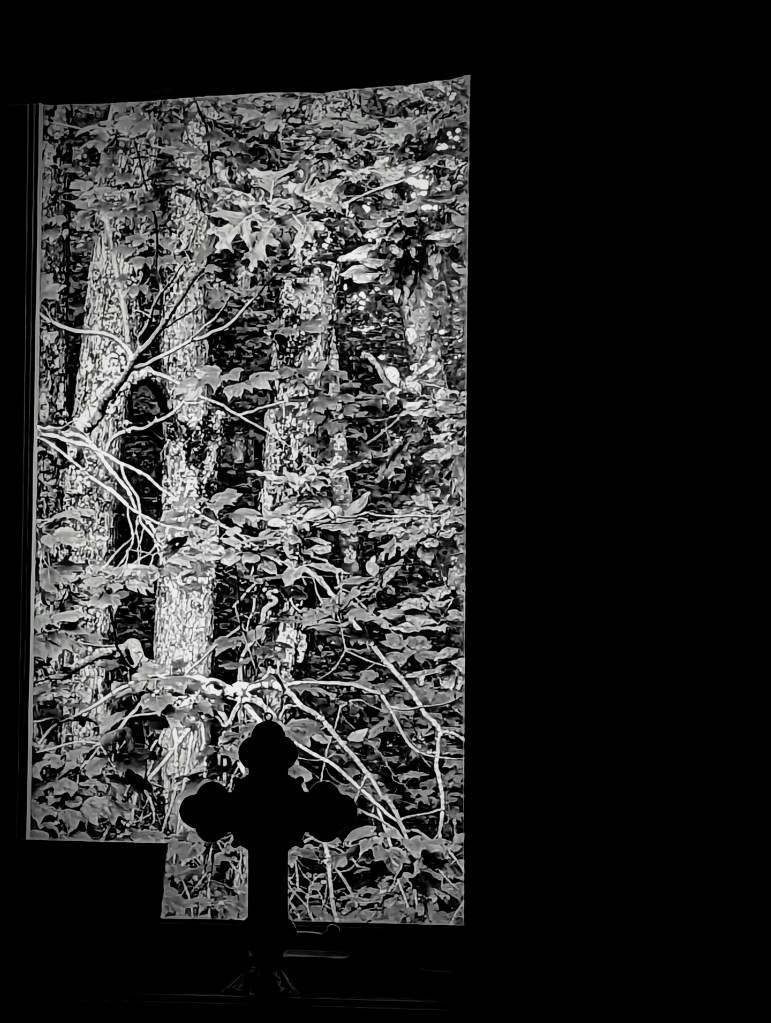
One thing that comes out in myths is that at the bottom of the abyss comes the voice of salvation. The black moment is the moment when the real message of transformation is going to come. At the darkest moment comes the light. – Joseph Campbell
Ronald Rolheiser –
When you read the lives of the saints, especially in some older books, you can get the impression that they lived in a different world. Many of them describe physical encounters with Satan within which they would, literally, get beaten up by him. Satan, it seemed, was forever lurking under a bed, in a basement, in a stairwell, or in some dark corner, just waiting to pounce on them and beat them up. They had to be careful not to venture naively into dark places; though, conversely, there were times when they readied themselves and went deliberately, to the desert, to openly do battle with him.
And, in that fight, they had a great weapon, simple one-line mantras: “Get behind me, Satan!” “Satan, leave this room!” “Satan, leave me alone!” That brought guaranteed results. He left them in peace for a while, though they emerged somewhat scraped and bruised from the encounter.
Such language sounds pretty esoteric and even superstitious to us. Not many of us have ever had Satan pop up from under our beds or from some dark place and begin to beat us up. Or have we?
Who or what is Satan? Believers today are split as to whether or not they believe that Satan is an actual person or simply a symbol for a venomous power that can overwhelm you, strip you of moral strength, and leave you precisely with the feeling of having been beaten up. Either way, whether we believe that Satan is an actual person or simply a symbol for malevolence, temptation, and lack of moral strength, the encounters that the saints describe happen to us too in our rational, agnostic lives just as surely as they happened to pious believers in former times.
Satan, scripture tells us, is the prince of jealousy, bitterness, paranoia, obsession, and lies. Few things in life torment us and beat us up as badly as these. They lurk in every dark corner, come out from under our beds at night, generally threaten us, darken our days, dampen our joys, and make us anxious as to what might lie around the corner. We just word things differently.
We speak of being “obsessed”, while the saints speak of being “possessed”. It’s just a difference of words.
Satan, however we choose to conceive of that power, is harassing us all the time and we, like the saints of old, need to learn the mantra: “Get behind me, Satan!”
Where are we harassed and beaten up by Satan? Here are some, everyday, examples:
Every time our minds and hearts begin bitterly replaying, like cassette tapes, old conversations, old wounds, old rejections, and old injustices, so that everything inside of us wants to scream: “This isn’t fair!” “How dare he say that!” “How can she do that, after all I did for her!” “I hate those people!” “Why do I always get cheated?”, we are being tormented by Satan and need to say: “Get behind me, Satan!” There will be no joy, goodness, or moral strength in our lives until those obsessions leave us alone.
Every time we feel a deep emptiness inside and our world feels flat and empty of meaning because we are obsessed with someone or something we can’t have, we need to pray: “Get behind me, Satan!” Heartaches, especially over frustrated love, might well speak of romance, but they also bespeak satan in that they drain the joy out of life and deaden all of our manageable loves. Satan doesn’t come at us like a demon with a pitchfork, standing before fire and smoke, he torments us in a frustrated, pathologically-restless, romantic fantasy that has us in near-suicidal depression and comes upon us in dark stairwells, at parties, and right within our own beds.
Every time we feel pangs of jealousy (not necessarily overtly directed against someone else’s good fortune) but in the disappointment that we feel because our bodies, marriages, careers, and even our morals haven’t turned out as perfectly as we’d have liked, whenever we find it hard to be grateful for our own lives, we are being beaten up by Satan and need to say: “Get behind me, Satan!”
Indeed, any time we have trouble falling asleep at night because some memory, some disappointment, some lost love, some wrong-turn taken, or some obsession won’t let go and give us enough calm to sleep, Satan is harassing us, right in own beds, and we need, like the saints of old, to say: “Get behind me, Satan!”
Satan is alive and well, still tormenting us in our beds, in basement rooms, in dark stairwells, and in broad daylight as we travel to work. We call his presence: obsessions, heartaches, restlessness, jealousy, emptiness, fear, paranoia, old hurts, insomnia, chaos, and other names. Like the saints of old, we need at times when we feel strong enough to wrestle with him openly in the desert, but we need too, whenever our fears and obsessions begin to beat us up, to say the ancient prayer: “Get behind me, Satan!”

Richard Rohr – If you want others to be more loving, choose to love first. If you want a reconciled outer world, reconcile your own inner world. If you are working for peace out there, create it inside as well. If you wish to find some outer stillness, find it within yourself. If you want to find God, then honor God within you, and you will always see God far beyond you, also. For it is only God in you who knows where and how to look for God. By ourselves, we are fairly blind.
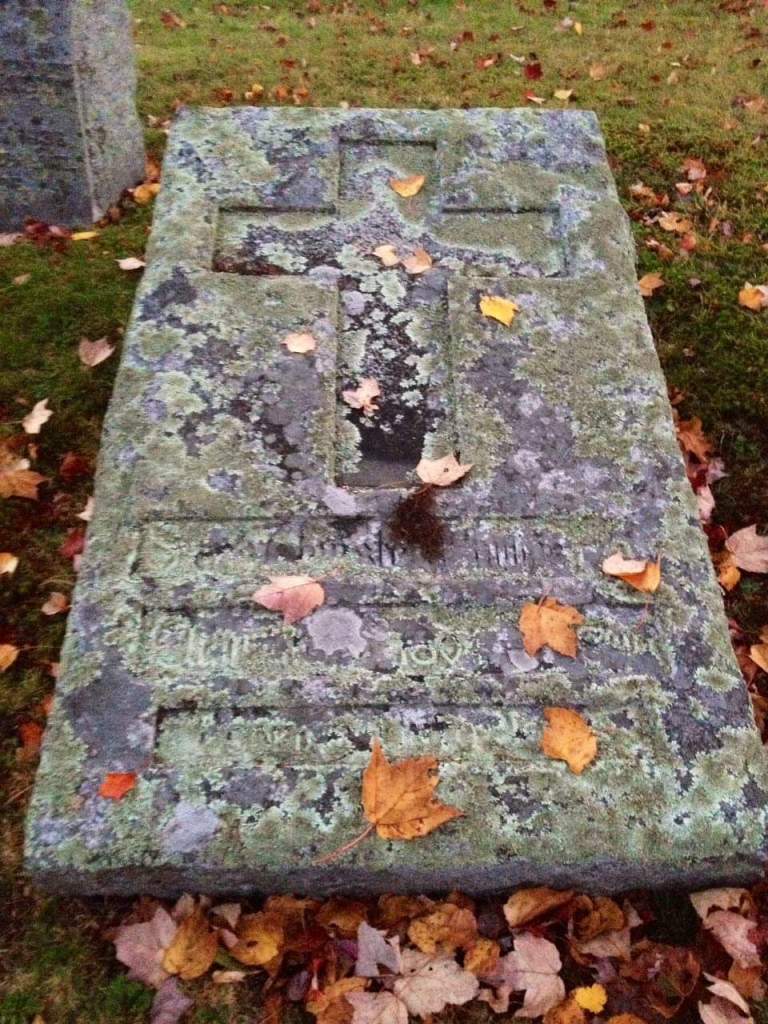
Brilliant and gorgeous day, bright sun, breeze making all the leaves and high brown grass shine. Singing of the wind in the cedars Exultant day, in which a puddle in the pig lot shines like precious silver.
Finally I am coming to the conclusion that my highest ambition is to be what I already am. That I will never fulfill my obliga tion to surpass myself unless I first accept myself—and, if I accept myself fully in the right way, I will already have surpassed myself. For it is the unaccepted self that stands in my way—and will con tinue to do so as long as it is not accepted. When it has been accepted, it is my own stepping-stone to what is above me. Because this is the way man was made by God—and original sin was the effort to surpass oneself by being “like God,” i.e., unlike oneself. But our Godlikeness begins at home. We must become like ourselves, and stop living “beside ourselves.”
Thomas Merton, journal entry 10.2.1958
There is a blindness into which we are all led by our own stupidity, selfishness, or by just living out of our false self. I guess that is what most of us call “sin,” which is often an opening to grace and mercy. There is also a blindness through which God leads us for our own enlightenment and deepening. In either case, we have to walk through these obscure periods by simple honesty, apology of some sort, surrender, letting go, forgiveness, and often by some neces sary restitution or healing ritual. (I still hear of Vietnam-, Afghan-, or Iraq-War vets who feel they must go back and help some children in those countries for themselves to be healed.) Eastern religions might call it “karmic restitution.”
Others might call these deeds acts of repentance, making amends, doing penance, or stripping of the ego. By any account, it is often major surgery and surely feels like dying (although it feels like immense liberation too). We need help, companioning, and comfort during these times. We must let ourselves be led by God and also by others. How can we know and value the light if we’ve never walked through some blindness first? To hope, we first have to feel hopeless.
– Richard Rohr

From “The Life of St. Francis:” At the hour of the passing of the holy man, the larks – birds that love the light, and dread the shades of twilight – flocked in great numbers unto the roof of the house, albeit the shades of night were then falling, and wheeling around it for a long while with songs even gladder than their wont, offered their witness, alike gracious and manifest, unto the glory of the Saint, who had been wont to call them unto the divine praises.
Pace e bene to us all.

This evening, followers of St. Francis of Assisi will keep a memorial of his passing on October 3, 1226. I pray that his spirit of reconciliation and love for all creation bless each one of us.
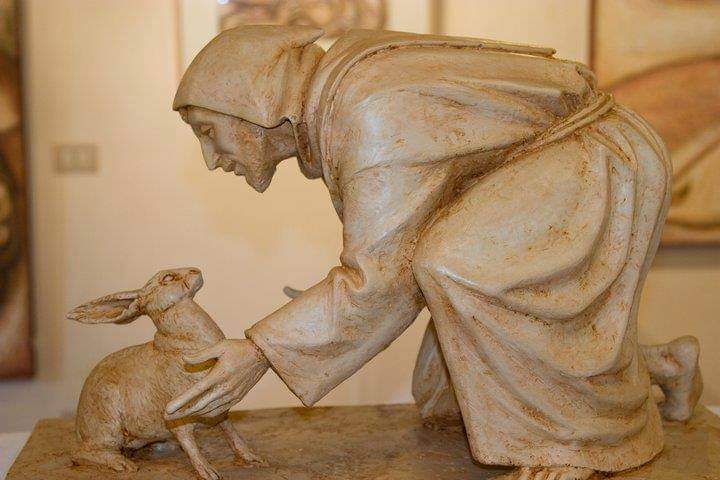
Blessing of St. Francis –
May God bless you and keep you, smiling graciously on you, granting mercy and peace,
granting mercy and peace. May God bless you and keep you, May you see the face of
God, granting mercy and peace, granting mercy and peace. Amen. Amen. Amen
Henri Nouwen – Standing erect, holding our heads high, is the attitude of spiritually mature people in face of the calamities of our world. The facts of everyday life are a rich source for doomsday thinking and feeling. But it is possible for us to resist this temptation and to stand with self-confidence in this world, never losing our spiritual ground, always aware that “sky and earth will pass away” but the words of Jesus will never pass away (see Luke 21:33).
 Edge of Atlantic