If it were possible for us to see further than our knowledge reaches, and a little beyond the outworks of our intuitions, perhaps we should then bear our sadnesses with greater assurance than our joys. For they are the moments when something new enters into us, something unknown to us; our feelings, shy and inhibited, fall silent, everything in us withdraws, a stillness settles on us, and at the centre of it is the new presence that nobody yet knows, making no sound.
If you hold close to nature, to what is simple in it, to the small things people hardly see and which all of a sudden can become great and immeasurable; if you have this love for what is slight, and quite unassumingly, as a servant, seek to win the confidence of what seems poor – then everything will grow easier, more unified and somehow more conciliatory, not perhaps in the intellect, which, amazed, remains a step behind, but in your deepest consciousness, watchfulness and knowledge.
My worst habit is I get so tired of winter I become a torture to those I’m with. If you’re not here, nothing grows. I lack clarity. My words tangle and knot up. How to cure bad water? Send it back to the river. How to cure bad habits? Send me back to you. When water gets caught in habitual whirlpools, dig a way out through the bottom to the ocean. There is a secret medicine given only to those who hurt so hard they can’t hope. The hopers would feel slighted if they knew. Look as long as you can at the friend you love, no matter whether that friend is moving away from you or coming back toward you.
With great difficulty advancing by millimetres each year, I carve a road out of the rock. For millenniums my teeth have wasted and my nails broken to get there, to the other side, to the light and the open air. And now that my hands bleed and my teeth tremble, unsure in a cavity cracked by thirst and dust, I pause and contemplate my work. I have spent the second part of my life breaking the stones, drilling the walls, smashing the doors, removing the obstacles I placed between the light and myself in the first part of my life.
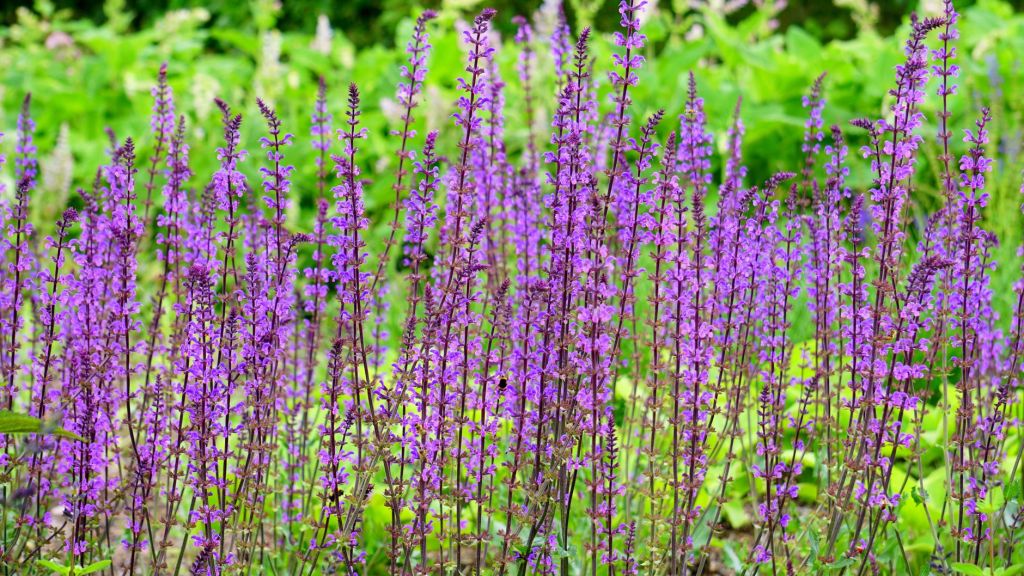
I think it pisses God off if you walk by the color purple in a field somewhere and don’t notice it. People think pleasing God is all God cares about. But any fool in the world can see [God is] always trying to please us back…. always making little surprises and springing them on us when us least expect it. – Alice Walker, from The Color Purple
Solitude is one of the most precious things in the human spirit. It is different from loneliness. When you are lonely, you become acutely conscious of your own separation. Solitude can be a homecoming to your own deepest belonging. One of the lovely things about us as individuals is the incommensurable in us. In each person, there is a point of absolute non connection with everything else and with everyone. This is fascinating and frightening. It means that we cannot continue to seek outside ourselves for the things we need from within. The blessings for which we hunger are not to be found in other places or people. These gifts can only be given to you by yourself. – John O’Donohue, from Anam Cara
Sometimes our spiritual programs take us far away from our inner belonging. We become addicted to the methods and programs of psychology and religion. We become so desperate to learn how to be, that our lives pass, and we neglect the practice of being. One of the lovely things in the Celtic mind is its sense of spontaneity, which is one of the greatest spiritual gifts. To be spontaneous is to escape the cage of the ego by trusting that which is beyond the self. One of the greatest enemies of spiritual belonging is the ego. The ego does not reflect the real shape of one’s individuality. The ego is the false self born out of fear and defensiveness. The ego is a protective crust that we draw around our affections. It is created out of timidity, the failure to trust the Other and to respect our own Otherness. One of the greatest conflicts in life is the conflict between the ego and the soul. The ego is threatened, competitive, and stressed, whereas the soul is drawn more toward surprise, spontaneity, the new and the fresh. Real soul has humor, irony, and no obsessive self-seriousness. It avoids what is weary, worn, or repetitive. The image of the well breaking out of the hard, crusted ground is an illuminating image for the freshness that can suddenly dawn within the heart that remains open to experience. – John O’Donohue from Anam Cara
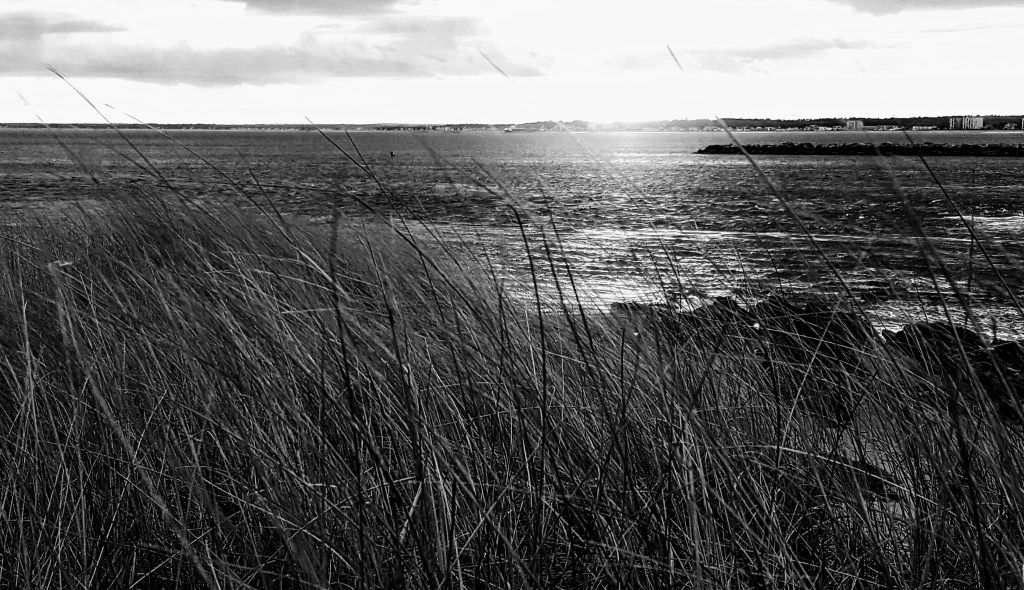


 Edge of Atlantic