Whatever happens. Whatever
what is is is what
I want. Only that. But that.

Whatever happens. Whatever
what is is is what
I want. Only that. But that.
If there are obstacles, it cannot be space
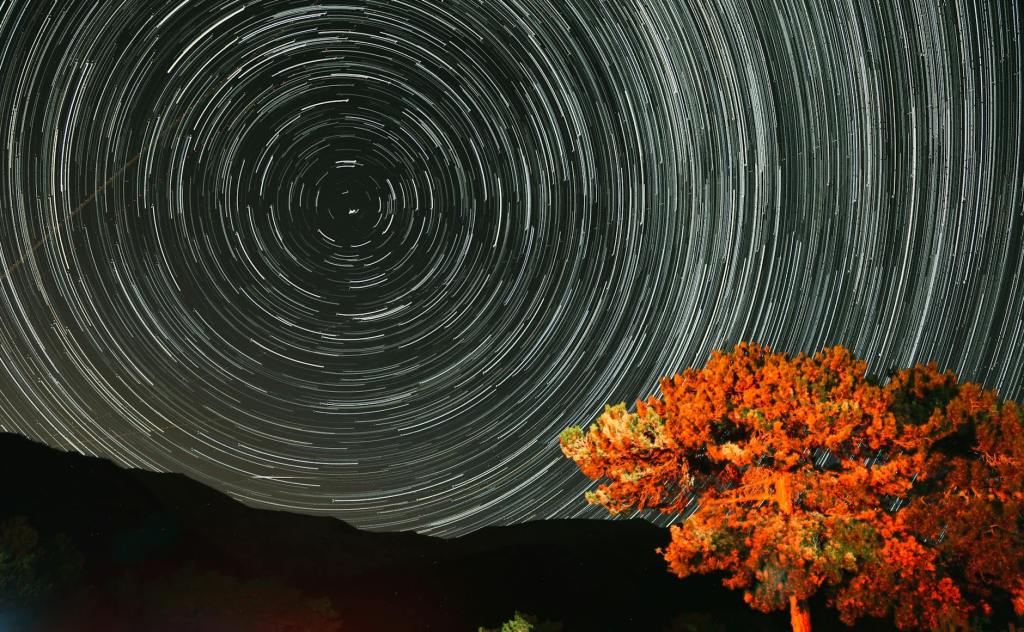
If there are numbers, it cannot be stars
If it moves and shakes, it cannot be a mountain
If it grows and shrinks, it cannot be an ocean
If it must be crossed by a bridge, it cannot be a river
If it can be grasped, it cannot be a rainbow
These are the six parables of outer perception
-Milarepa
In order to arrive at what you do not know
You must go by a way which is the way of ignorance.
In order to possess what you do not possess
You must go by the way of dispossession.
In order to arrive at what you are not
You must go through the way in which you are not. And what you do not know is the only thing you know
And what you own is what you do not own And where you are is where you are not.
– T.S. Eliot, from East Coker
I love the dark hours of my being.
My mind deepens into them.
There I can find, as in old letters,
the days of my life, already lived,
and held like a legend, and understood.
Then the knowing comes: I can open
to another life that’s wide and timeless.
So I am sometimes like a tree
rustling over a grave
and making real the dream
of the one its living roots embrace:
a dream once lost
among sorrows and songs.
What is serious to men is often very trivial in the sight of God. What in God might appear to us as “play” is perhaps what he Himself takes most seriously. At any rate, the Lord plays and diverts Himself in the garden of His creation, and if we could let go of our own obsession with what we think is the meaning of it all, we might be able to hear His call and follow Him in His mysterious, cosmic dance. We do not have to go very far to catch echoes of that game, and of that dancing. When we are alone on a starlit night; when by chance we see the migrating birds in autumn descending on a grove of junipers to rest and eat; when we see children in a moment when they are really children; when we know love in our own hearts; or when, like the Japanese poet Bashō we hear an old frog land in a quiet pond with a solitary splash–at such times the awakening, the turning inside out of all values, the “newness,” the emptiness and the purity of vision that make themselves evident, provide a glimpse of the cosmic dance.
For the world and time are the dance of the Lord in emptiness. The silence of the spheres is the music of a wedding feast. The more we persist in misunderstanding the phenomena of life, the more we analyze them out into strange finalities and complex purposes of our own, the more we involve ourselves in sadness, absurdity and despair. But it does not matter much, because no despair of ours can alter the reality of things; or stain the joy of the cosmic dance which is always there. Indeed, we are in the midst of it, and it is in the midst of us, for it beats in our very blood, whether we want it to or not.
Yet the fact remains that we are invited to forget ourselves on purpose, cast our awful solemnity to the winds and join in the general dance.
–Thomas Merton, New Seeds of Contemplation
…that “if a person were in a rapture as great as St. Paul once experienced and learned that his neighbor were in need of a cup of soup, it would be best to withdraw from the rapture and give the person the soup he needs.” – from The Solace of Fierce Landscapes, Belden Lane
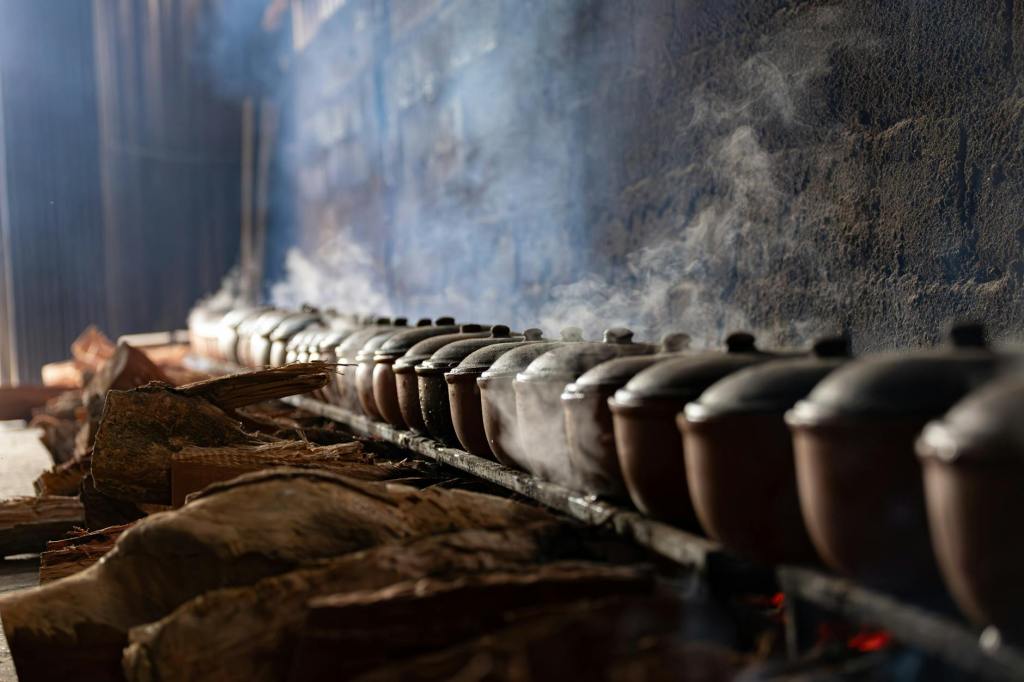
When we give a thing a name we imagine we have got hold of it. We imagine that we have got hold of being. Perhaps we should do better not to flatter ourselves too soon that we can name God.
–Gregory of Nyssa
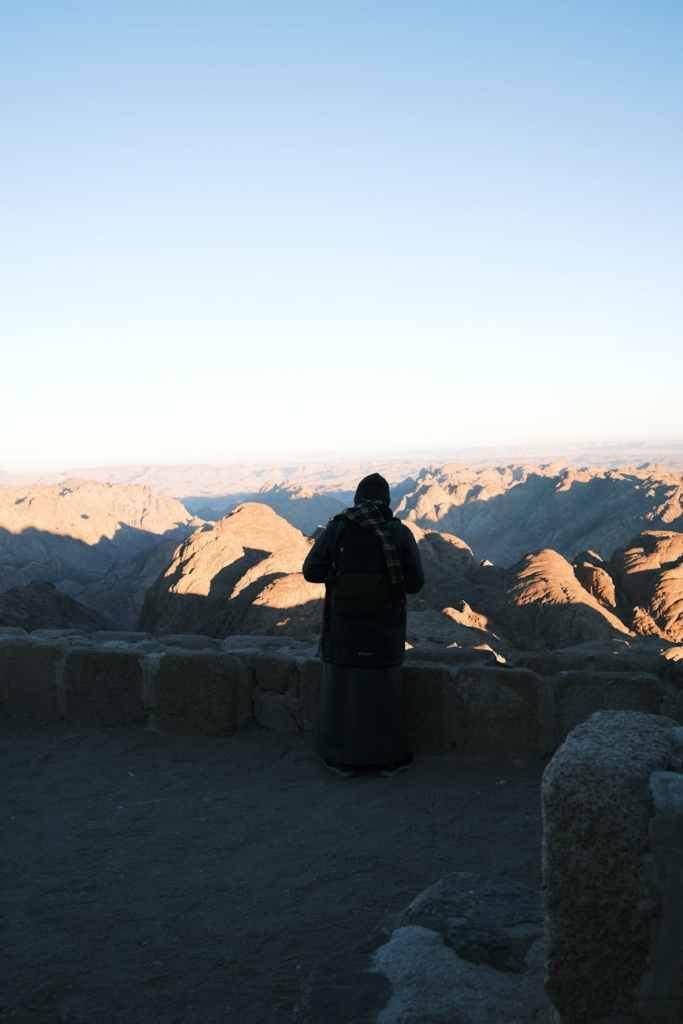
We are saved in the end by the things that ignore us. Their presence awakens silence in us. They refresh our courage with the purity of their detachment. – Andrew Harvey
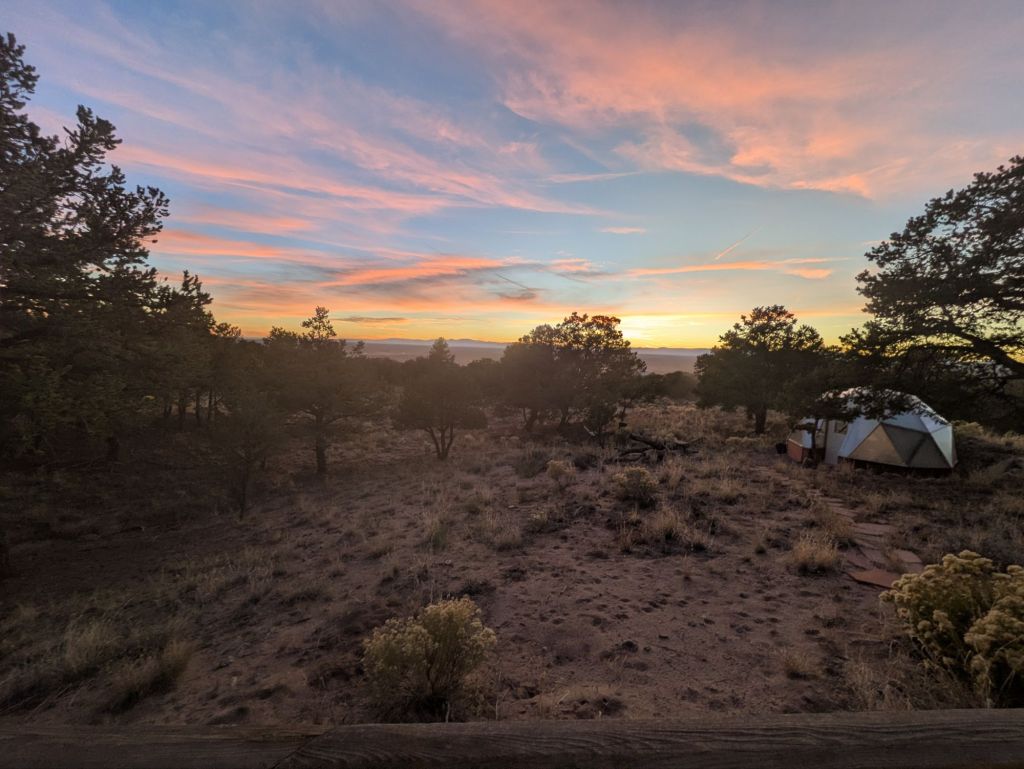
If you see someone going up to heaven by his own will, grab his leg and pull him down again.
– John Kolobos, one of the desert fathers
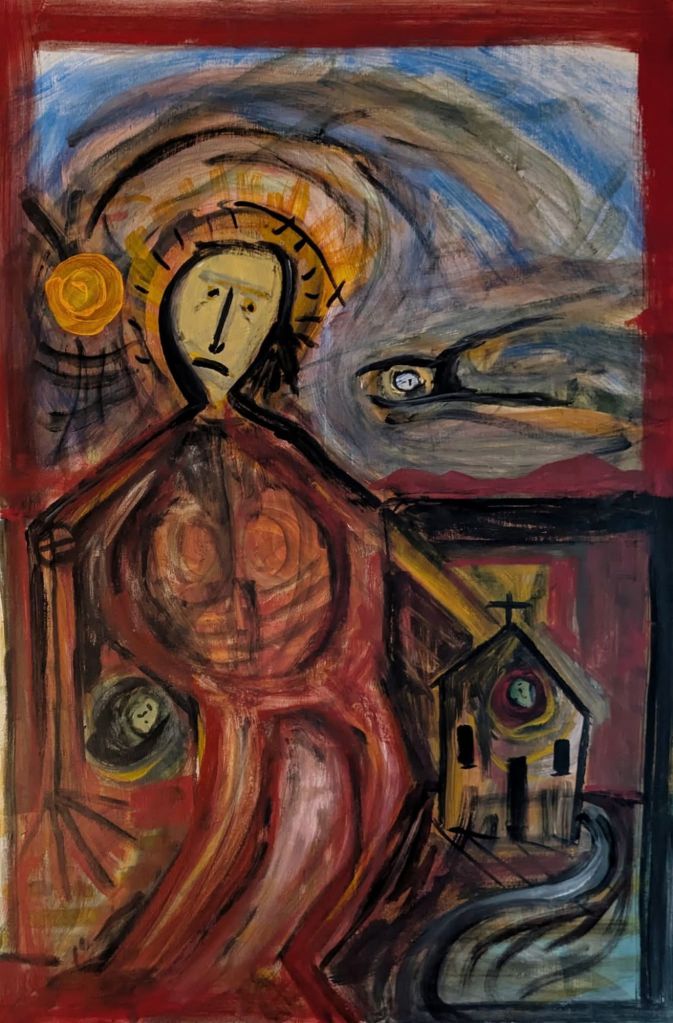
Sometimes a man stands up during supper and walks outdoors, and keeps on walking, because of a church that stands somewhere in the East.
And his children say blessings on him as if he were dead.
And another man, who remains inside his own house, stays there, inside the dishes and the glasses, so that his children have to go far out into the world toward that same church, which he forgot.
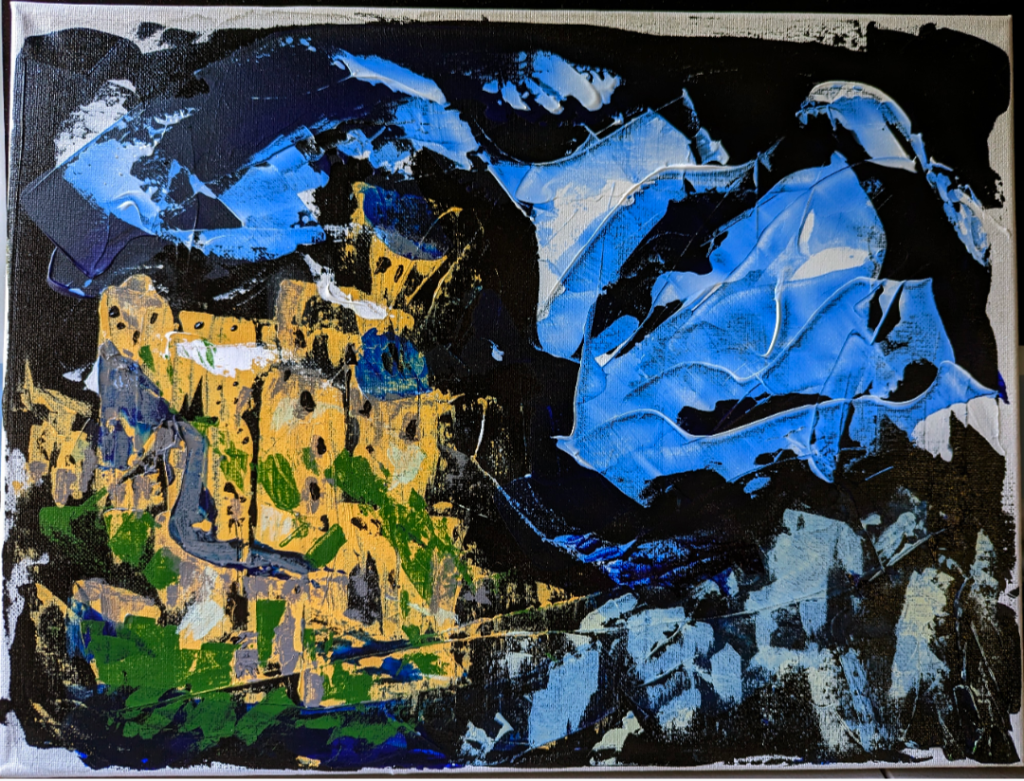
 Edge of Atlantic