addiction
fragmented, confused, and erratic
Henri Nouwen – The great danger of the turmoil of the end-time in which we live is losing our souls. Losing our souls means losing touch with our center, our true call in life, our mission, our spiritual task. Losing our soul means becoming so distracted by and preoccupied with all that is happening around us that we end up fragmented, confused, and erratic. Jesus is very aware of that danger. He says: “Take care not to be deceived, because many will come using my name and saying, ‘I am the one’ and ‘The time is near at hand’ Refuse to join them” (Luke 21:8).
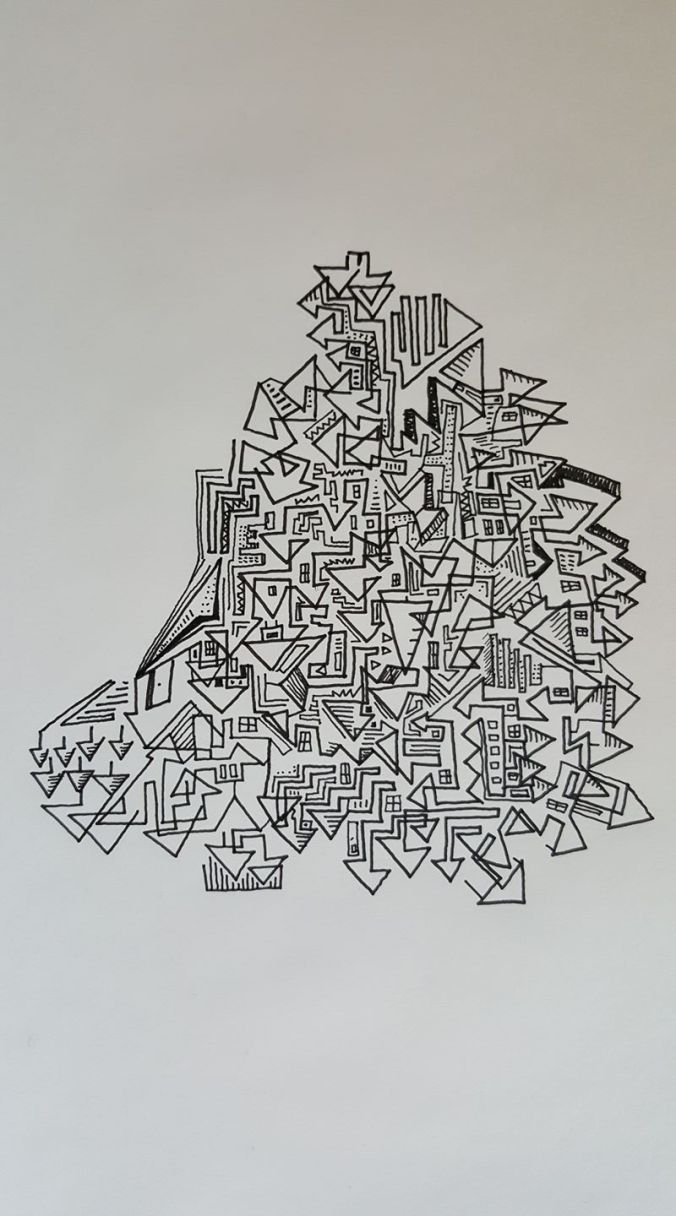
three halves
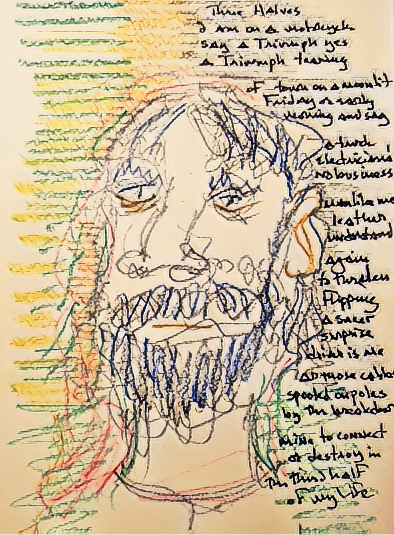
Some days it isn’t pretty or inspirational. Some days it takes more than books, more than quotes, more than walks and fresh air. Some days take more than friends, phone calls, texts.
Some days you just want to make it to the end – to sleep. Some days, I don’t know why, you just show up with the whitest knuckles in the room. Some days it’s enough to breathe.
Listen to the words – be not afraid. And be.
day #660 alternate take – back cove

day #660 – back cove

he knows the way I take

But if I go to the east, he is not there;
if I go to the west, I do not find him.
When he is at work in the north, I do not see him;
when he turns to the south, I catch no glimpse of him.
But he knows the way that I take;
when he has tested me, I will come forth as gold.
– Job 23:8-10
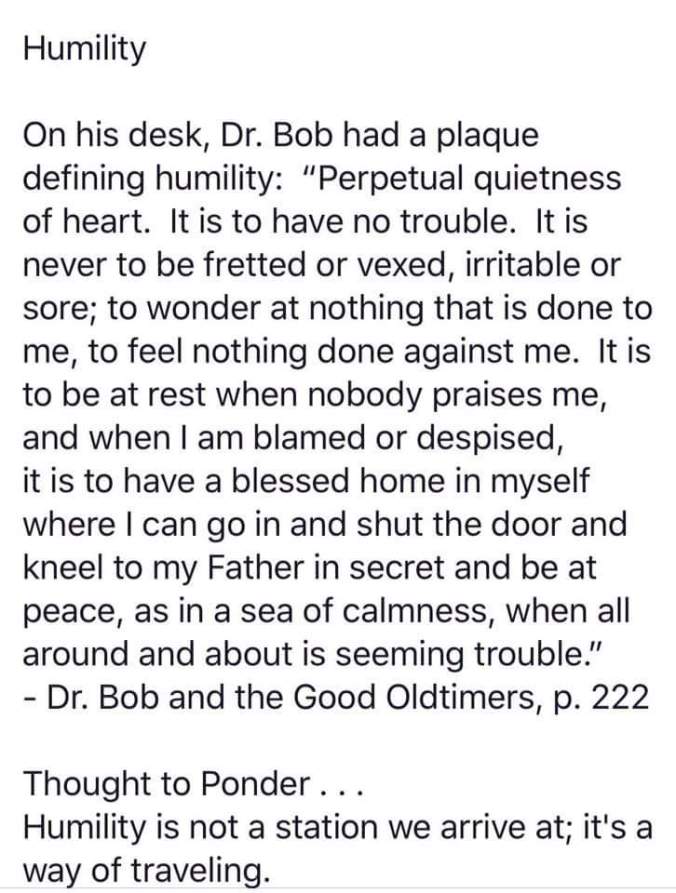
humility
Brokenness – Henri Nouwen
You know something about brokenness. You know about the broken world. You know about brokenness in your country. But most personally, you know it in your more intimate life. You know we are broken people and we suffer very intimate pains. The pain of a desire for intimacy that hasn’t been fulfilled…the pain of a relationship that did not work…the pain of an addiction that is so hard to confess…The secret pain of loneliness that can bite us so much…And what I would like to say to you is don’t be afraid of your pain, but dare to embrace it. If you are wounded, and I know that you and I are, put your brokenness under the blessing.
now I understand – the path to healing
Ronald Rolheiser – In his last book, The Living Flame of Love, John (St. John of the Cross) proposes a theory of, and a process for, healing. In essence, it runs this way: For John, we heal of our wounds, moral flaws, addictions, and bad habits by growing our virtues to the point where we become mature enough in our humanity so that there’s no more room left in our lives for the old behaviors that used to drag us down. In short, we get rid of the coldness, bitterness, and pettiness in our hearts by lighting inside our hearts enough warm fires to burn out the coldness and bitterness.
The algebra works this way: The more we grow in maturity, generativity, and generosity, the more our old wounds, bad habits, temperamental flaws, and addictions will disappear because our deeper maturity will no longer leave room for them in our lives. Positive growth of our hearts, like a vigorous plant, eventually chokes-out the weeds. If you went to John of the Cross and asked him to help you deal with a certain bad habit in your life, his focus wouldn’t be on how to weed-out that habit. Instead the focus would be on growing your virtues: What are you doing well? What are your best qualities? What goodness in you needs to be fanned fan into fuller flame?
By growing what’s positive in us, we eventually become big-hearted enough so that there’s no room left for our former bad habits. The path to healing is to water our virtues so that these virtues themselves will be the fire that burns out the festering wounds, addictions, bad habits, and temperamental flaws that have, for far too long, plagued our lives and kept us wallowing in weakness and pettiness rather than walking in maturity, generosity, and generativity.
We went through fire…
we went through fire and through water;
yet you have brought us out to a spacious place.
~ Psalm 66:12

Photo by Steve Johnson on Pexels.com
 Edge of Atlantic