From the Book of Isaiah the Prophet

But Zion said, “The Lord has forsaken me,
my Lord has forgotten me.”
Can a woman forget her nursing child,

or show no compassion for the child of her womb?
Even these may forget,
yet I will not forget you.
See, I have inscribed you on the palms of my hands;
your walls are continually before me.
Your builders outdo your destroyers,
and those who laid you waste go away from you.
Lift up your eyes all around and see;
they all gather, they come to you.
As I live, says the Lord,
you shall put all of them on like an ornament,
and like a bride you shall bind them on.
Surely your waste and your desolate places
and your devastated land—
surely now you will be too crowded for your inhabitants,
and those who swallowed you up will be far away.
The children born in the time of your bereavement
will yet say in your hearing:
“The place is too crowded for me;
make room for me to settle.”
Then you will say in your heart,
“Who has borne me these?
I was bereaved and barren,
exiled and put away—
so who has reared these?
I was left all alone—
where then have these come from?”

Isaiah 49:14-21

DSCN2427

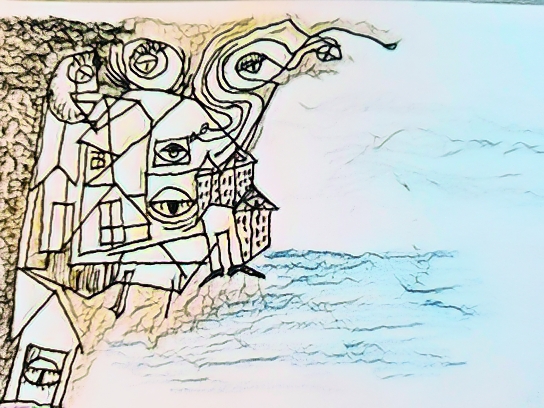
Photo: Siena, IT – January 2005 (yet I will not forget you./See, I have inscribed you on the palms of my hands.)

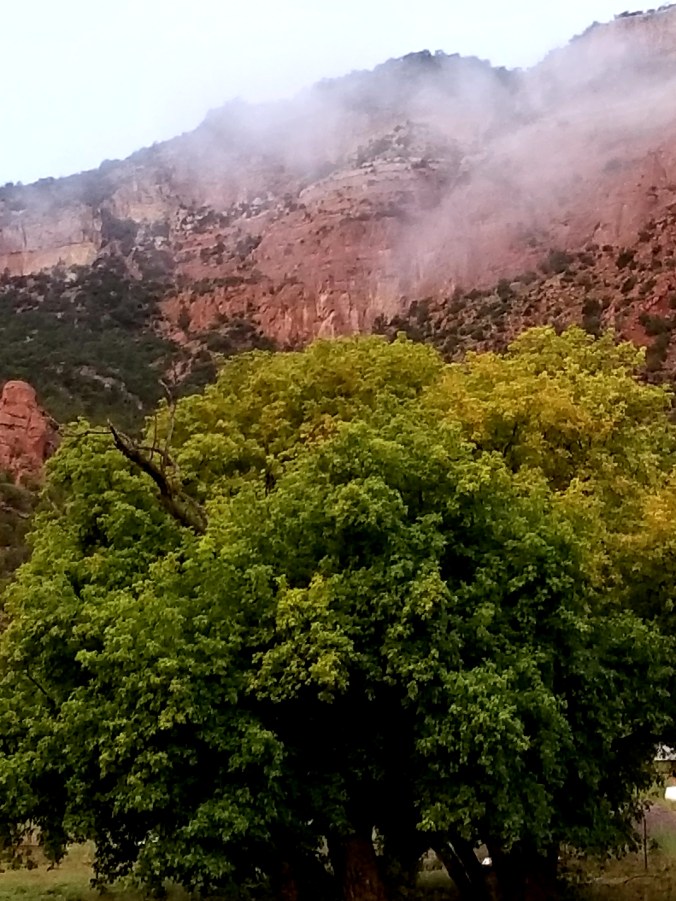
plum trees

Plum Trees
The blossoming plums are a comforting sight,
they understand I am heavy with wine
– Chiang K’uei

do you recall
when I planted plum trees
to the east of our home

and dusk promised us
a life still
as a Chinese scroll

yet later in darkness
I turned away
and seemed to sleep

so many winters
my head heavy
my plum trees gone

And so I go on trying to walk…

And so I go on trying to walk on the waters of the breakdown. Worse than ever before and better than ever before. It is always painful and reassuring when he who I am not is visibly destroyed by the hand of God in order that the simplicity in the depths of me, which is His image, may be set free to serve Him in peace. – Thomas Merton, journal entry October 22, 1952

Simply relaxing one’s hands…

In the face of significant addiction, our degree of choice may seem small; simply relaxing one’s hands may seem too passive. As we shall see, however, this simple choice may be the greatest kind of struggle any human being can face, and it may call forth the greatest courage and dedication. – Gerald May, Addiction and Grace


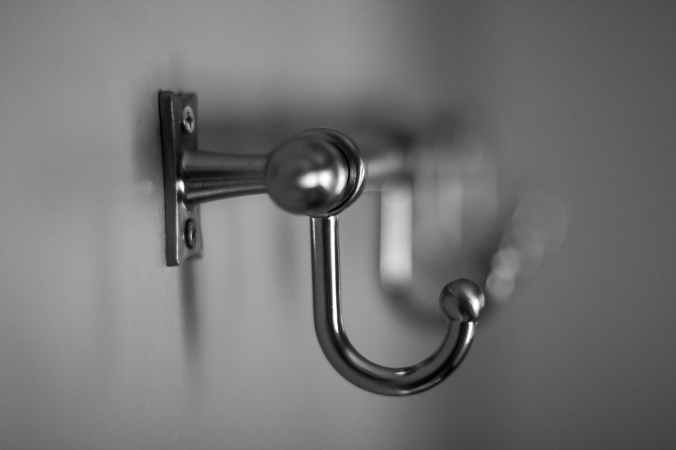
Pema Chodron on shenpa – the hook, the urge to indulge the addiction

So we could also call shenpa “the urge”—the urge to smoke that cigarette, to overeat, to have another drink, to indulge our addiction whatever it is. Sometimes shenpa is so strong that we’re willing to die getting this short-term symptomatic relief. The momentum behind the urge is so strong that we never pull out of the habitual pattern of turning to poison for comfort. It doesn’t necessarily have to involve a substance; it can be saying mean things, or approaching everything with a critical mind. That’s a major hook. Something triggers an old pattern we’d rather not feel, and we tighten up and hook into criticizing or complaining. It gives us a puffed-up satisfaction and a feeling of control that provides short-term relief from uneasiness.

Those of us with strong addictions know that working with habitual patterns begins with the willingness to fully acknowledge our urge, and then the willingness not to act on it. This business of not acting out is called refraining. Traditionally it’s called renunciation. What we renounce or refrain from isn’t food, sex, work or relationships per se. We renounce and refrain from the shenpa. When we talk about refraining from the shenpa, we’re not talking about trying to cast it out; we’re talking about trying to see the shenpa clearly and experiencing it. If we can see shenpa just as we’re starting to close down, when we feel the tightening, there’s the possibility of catching the urge to do the habitual thing, and not doing it.

selective focus of stainless steel hook

Photo by Steve Johnson on Pexels.com