In order to arrive at what you do not know You must go by a way which is the way of ignorance. In order to possess what you do not possess You must go by the way of dispossession. In order to arrive at what you are not You must go through the way in which you are not. And what you do not know is the only thing you know And what you own is what you do not own And where you are is where you are not. – T.S. Eliot, from East Coker
Once in a while we meet a gentle person. Gentleness is a virtue hard to find in a society that admires toughness and roughness. We are encouraged to get things done and to get them done fast, even when people get hurt in the process. Success, accomplishment, and productivity count. But the cost is high. There is no place for gentleness in such a milieu.
Gentle is the one who does “not break the crushed reed, or snuff the faltering wick” (Matthew 12:20). Gentle is the one who is attentive to the strengths and weaknesses of the other and enjoys being together more than accomplishing something. A gentle person treads lightly, listens carefully, looks tenderly, and touches with reverence. A gentle person knows that true growth requires nurture, not force. Let’s dress ourselves with gentleness. In our tough and often unbending world our gentleness can be a vivid reminder of the presence of God among us.
…anyone who is struggling with depression, addiction; anyone who may be giving up, suicidal or self-harming.
I know you. I think I know what you are going through. I’ve been there.
Nine years ago on December 22, 2016, a cold, icy day, with freezing rain pouring down, I pulled into my garage thinking it would be a good time for me to die there. I was so turned around and struggling to recover from addictions, the darkness of the winter solstice seemed to have found a home within me.
After what felt like hours, I realized that my plan was selfish and would only serve to hurt the people–family, friends–who had been caring for me, carrying me until I could get back on my feet. I reached out to people, wise friends and family, who gave me good orderly direction. They told me to listen to the professionals who, without hesitation, were there to guide me.
I spent Christmas and several days after in a mental hospital, a place where I found rest and a sense of peace that I hadn’t felt for several years. I’m not saying that the path was easy, far from it. But I was on a different path in a different direction.
Kenosis is a theological term. In short, it means that we empty our own will and become entirely receptive to God’s will for us. The God that I came to know and hear was not a Catholic or Christian God, not Allah, not Yahweh, not Buddha but an internal light that shone on my place in the unified field of existence.
Over time I learned to listen to the wisdom of others who had lived through similar experiences, no longer trying to control the direction of my life.
So today I bless you and pray you can make the turn to life, the life you are meant to live.
If you are interested in a completely anonymous chat, please contact me.
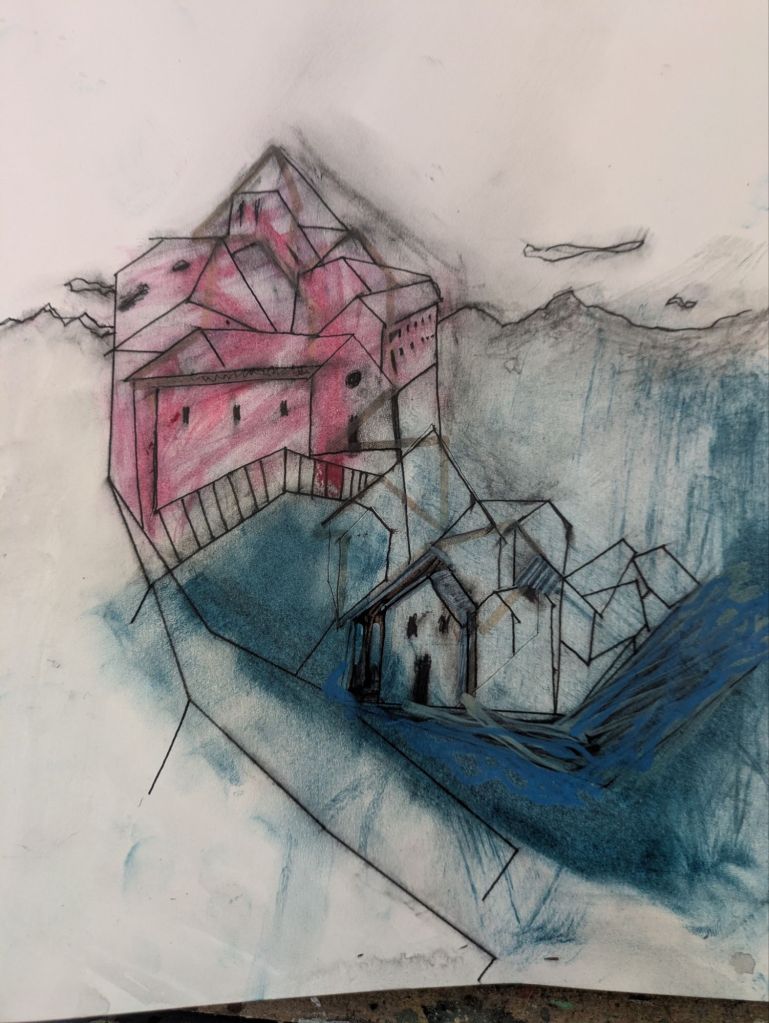
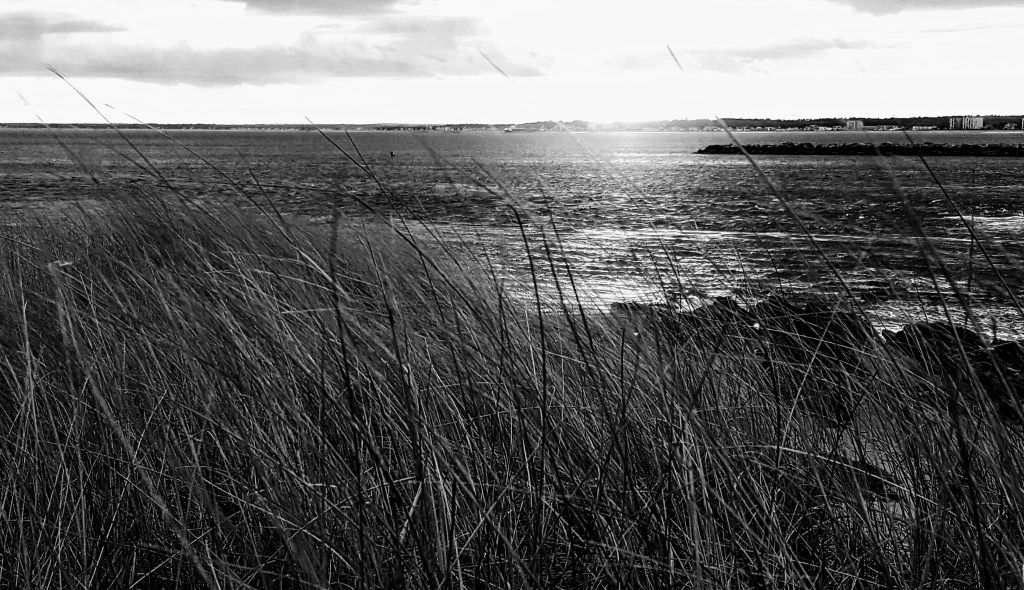
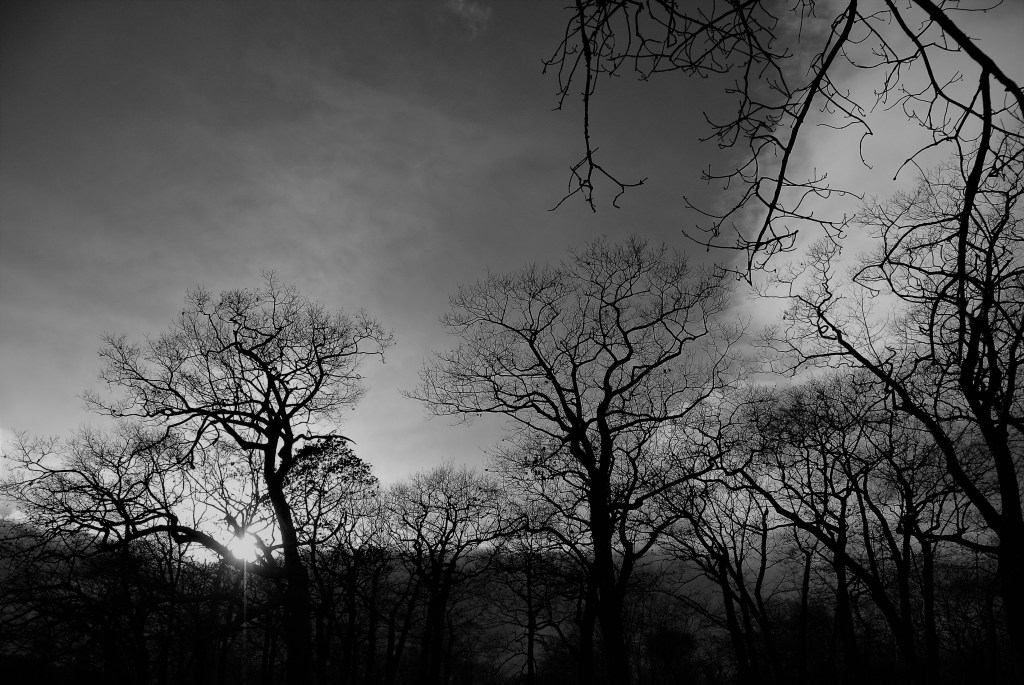
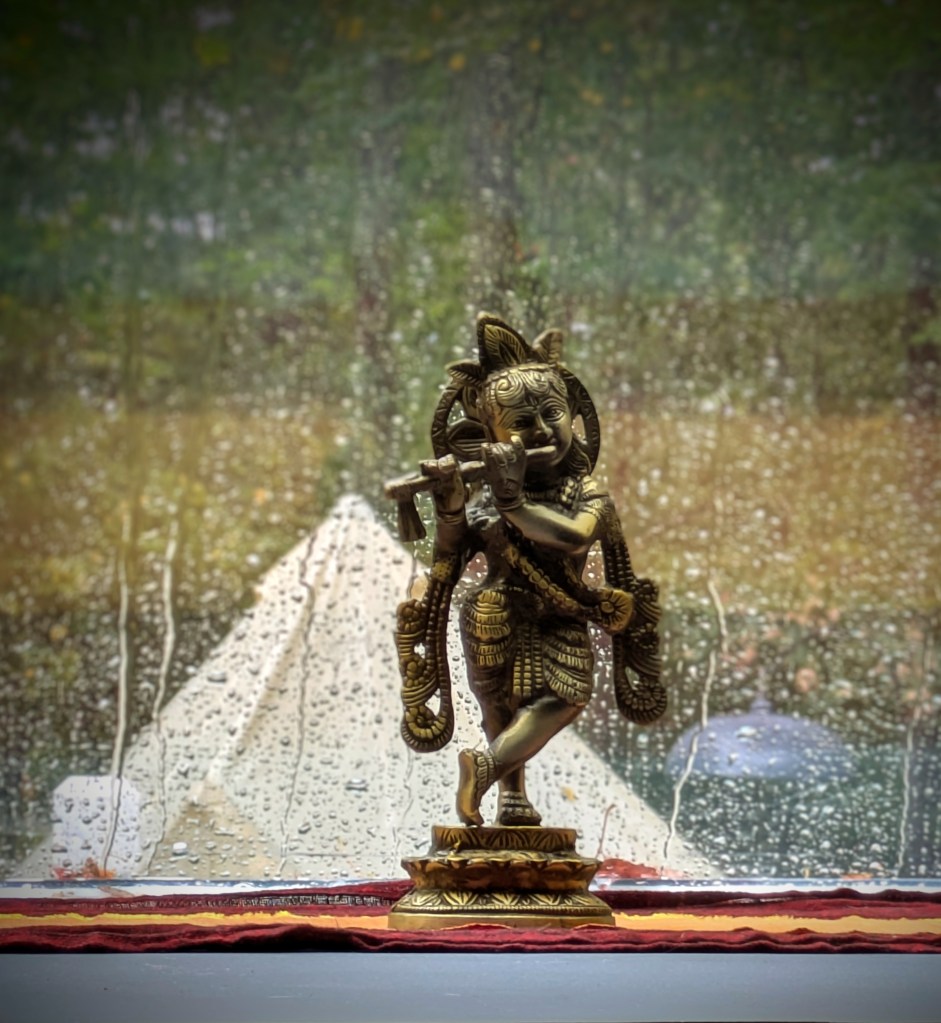
My world in December 2016:
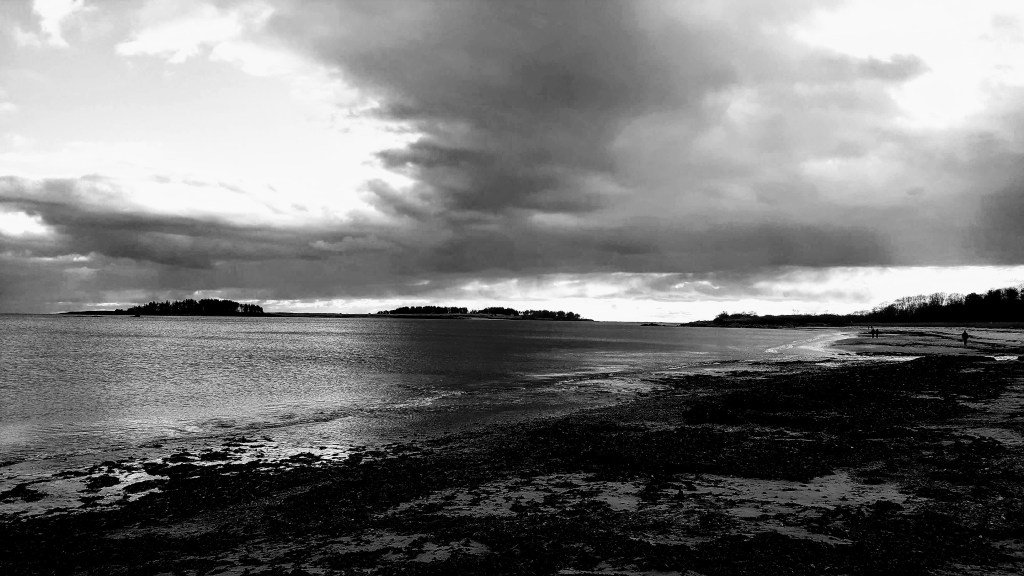
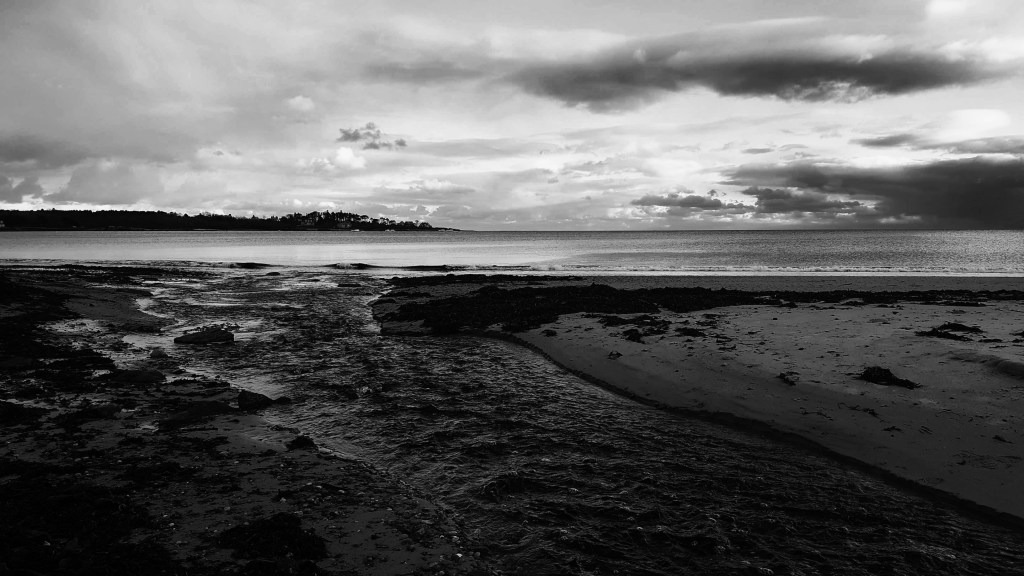
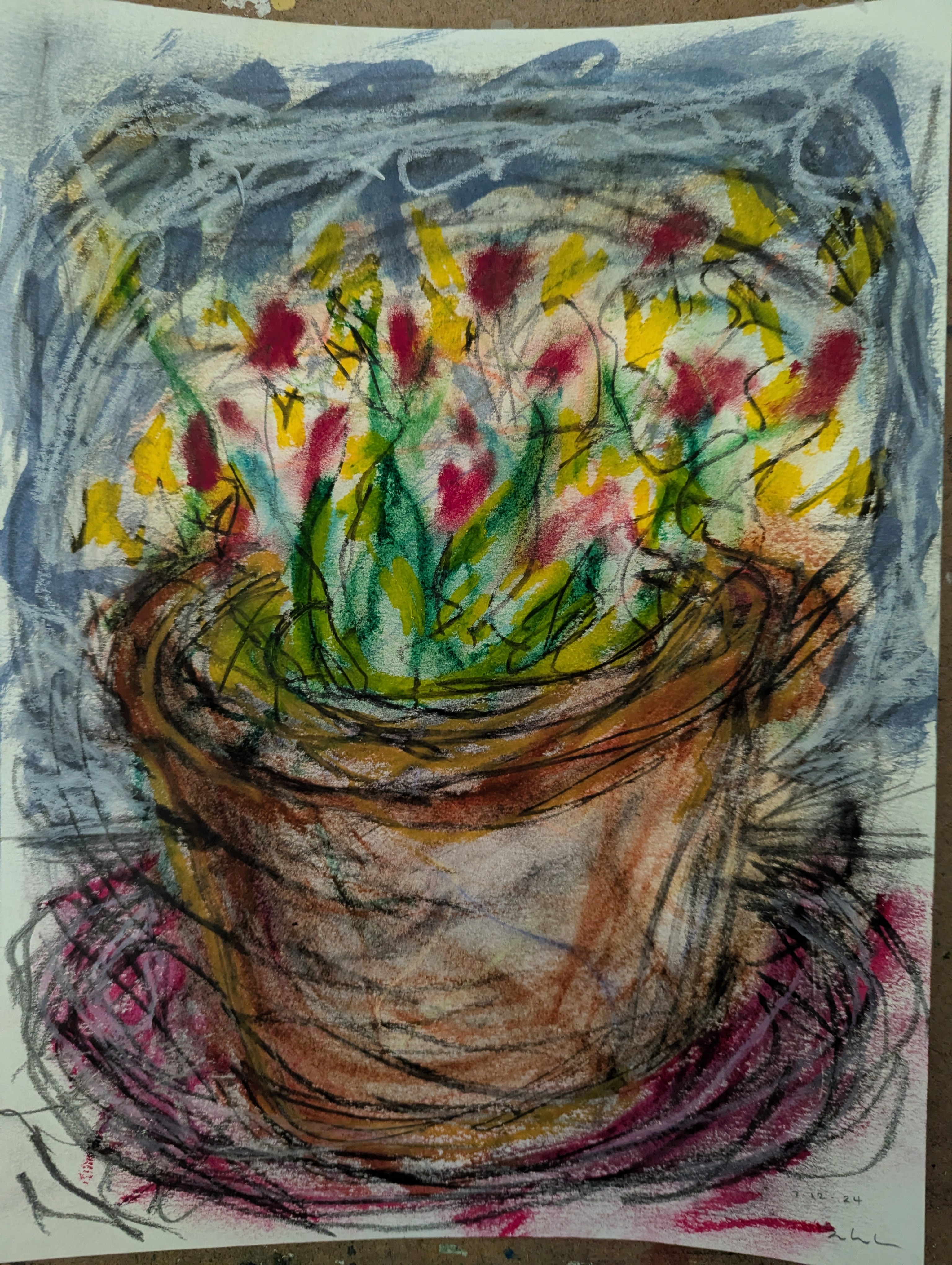
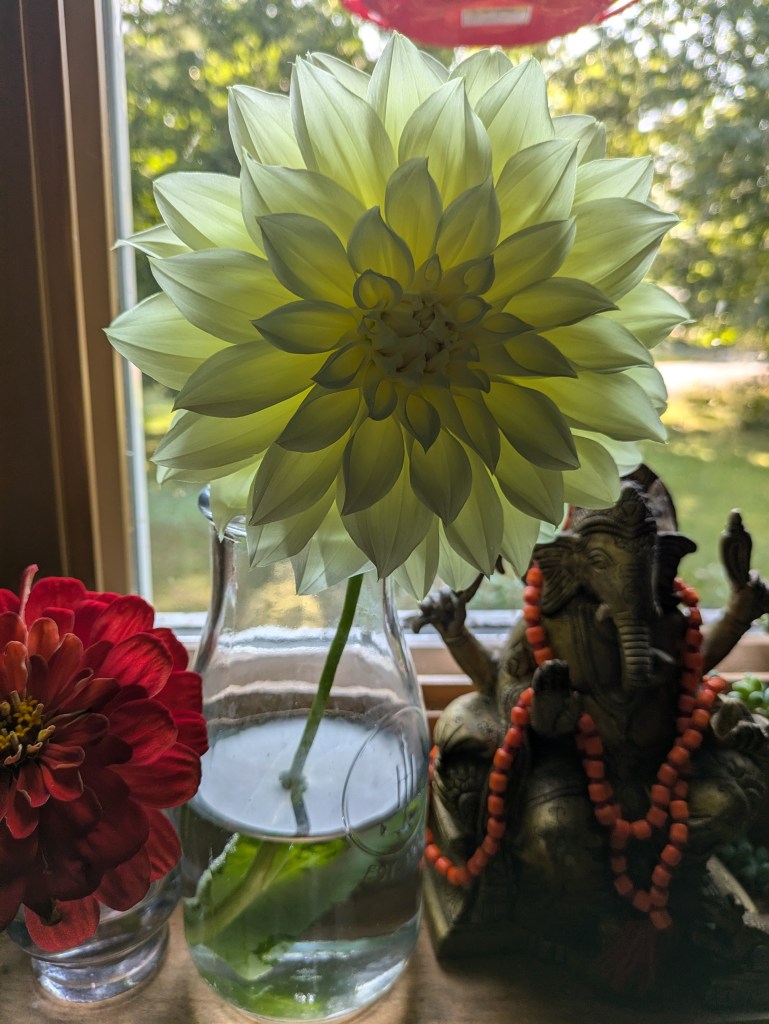
My world today
On this day when the earth begins to turn towards the light, I wish you peace and all good things.
You are wise enough to understand that being “a little lonely” is not a bad thing. A writer’s occupation is one of the loneliest in the world, even if the loneliness is only an inner solitude and isolation, for that he must have at times if he is to be truly creative. And so I believe only the person who knows and is not afraid of loneliness should aspire to be a writer. But there are also rewards that are rich and peculiarly satisfying. – Rachel Carson
Man’s intelligence, however we may misuse it, is far too keen and too sure to rest for long in error. It may embrace a lie and cling to it stubbornly, believing it to be true: but it cannot find true rest in falsehood. The mind that is in love with error wears itself out with anxiety, lest its error be discovered for what it is. But the man who loves truth can already find rest in the acknowledgment of his mistakes, for that is the beginning of truth.
The first step toward finding God, Who is Truth, is to discover the truth about myself: and if I have been in error, this first step to truth is the discovery of my error. A false and illusory “experience” of what appears to be God’s action in the soul may bring with it, for a moment, a kind of interior silence: the silence of a soul that rests in an illusion. But this silence is quickly disturbed by a deep under- current of unrest and noise. The tension of a soul trying to hold itself in silence, when it has no truth to appease it with a superior silence, is louder than the noise of big cities and more disturbing than the movement of an army.
Be enough in earnest about emotional growth to make it the most important concern of your life.
Be willing to say. “No,” to anything which interferes with that continued growth.
Attempt to be objective and honest in the selection of courses which best fit your new emotional pattern.
If the deeper self does not wish to do a certain thing, that fact is justification enough for not doing it. Each of us is primarily responsible in accounting to himself.
In following such a course of action, you will be amazed to discover that decisiveness earns the admiration of acquaintances, since most of them wish that they could exercise the same kind of courage.
In the process of growing up emotionally we will often be startled to discover vistas of new satisfactions opening up before us. We will begin to realize that our childish fears have kept us from enjoying freedom, that our desire for universal approval has made it impossible for us to gain the approval which we most desire.
These new satisfactions will not come all at once. Neither should we expect to plunge immediately into large decisions that tax our emotional strength too greatly. The first tentative steps will be the most important and with exercise greater decisions can be undertaken.
The great mountaineers begin their training by climbing little hills. In growing up, we must all learn how to walk before we can run.
It is not complicated to lead the spiritual life. But it is difficult. We are blind and subject to a thousand illusions. We must expect to be making mistakes almost all the time. We must be content to fall repeatedly and to begin again to try to deny ourselves, for the love of God.
It is when we are angry at our own If that is all our self-denial amounts to, our mistakes will never help us. that we tend most of all to deny ourselves for love of ourselves. We want to shake off the hateful thing that has humbled us. In our rush to escape the humiliation of our own mistakes, we run head first into the opposite error, seeking comfort and compensation. And so we spend our lives running back and forth from one attachment to another.
If that is all our self-denial amounts to, our mistakes will never help us.
The thing to do when you have made a mistake is not to give up doing what you were doing and start something altogether new, but to start over again with the thing you began badly and try, for the love of God, to do it well.
– Thomas Merton, from The Sign of Jonas
Our being is not to be enriched merely by activity and experience as such. Everything depends on the quality of our acts and our experiences. A multitude of badly performed actions and of experiences only half-lived exhausts and depletes our being. By doing things badly we make ourselves less real. This growing unreality cannot help but make us unhappy and fill us with a sense of guilt. But the purity of our conscience has a natural proportion with the depth of our being and the quality of our acts: and when our activity is habitually disordered, our malformed conscience can think of nothing better to tell us than to multiply the quantity of our acts, without perfecting their quality. And so we go from bad to worse, exhaust ourselves, empty our whole life of all content, and fall into despair.
There are times, then, when in order to keep ourselves in existence at all we simply have to sit back for a while and do nothing. And for a man who has let himself be drawn completely out of himself by his activity, nothing is more difficult than to sit still and rest, doing nothing at all. The very act of resting is the hardest and most courageous act he can perform: and often it is quite beyond his power.
We must first recover the possession of our own being.







 Edge of Atlantic