Rilke, from Stundenbuch (translated by Robert Bly)

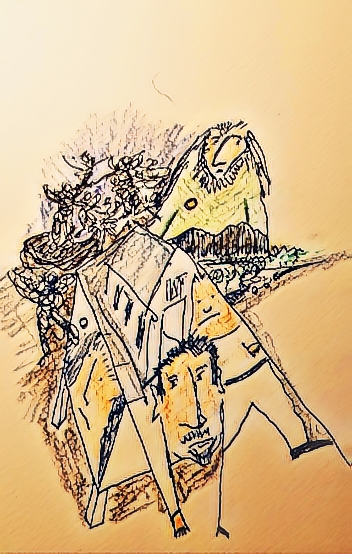
In this town the last house stands
as lonely as if it were the last house in the world

The highway, which the tiny town is not able to stop,
slowly goes deeper out into the night.

The tiny town is only a passing-over place,
worried and afraid, between two huge spaces –
a path running past houses instead of a bridge.

And those who leave the town wander a long way off
and many perhaps die on the road.

Life is tragic simply because…

Life is tragic simply because the earth turns, and the sun inexorably rises and sets, and one day, for each of us, the sun will go down for the last, last time. Perhaps the whole root of our trouble, the human trouble, is that we will sacrifice all the beauty of our lives, will imprison ourselves in totems, taboos, crosses, blood sacrifices, steeples, mosques, races, armies, flags, nations, in order to deny the fact of death, which the only fact we have. It seems to me that one ought to rejoice in the fact of death – ought to decide, indeed, to earn one’s death by confronting with passion the conundrum of life. One is responsible to life: It is the small beacon in that terrifying darkness from which we come and to which we shall return. – James Baldwin, “Down at the Cross,” in The Fire Next Time.

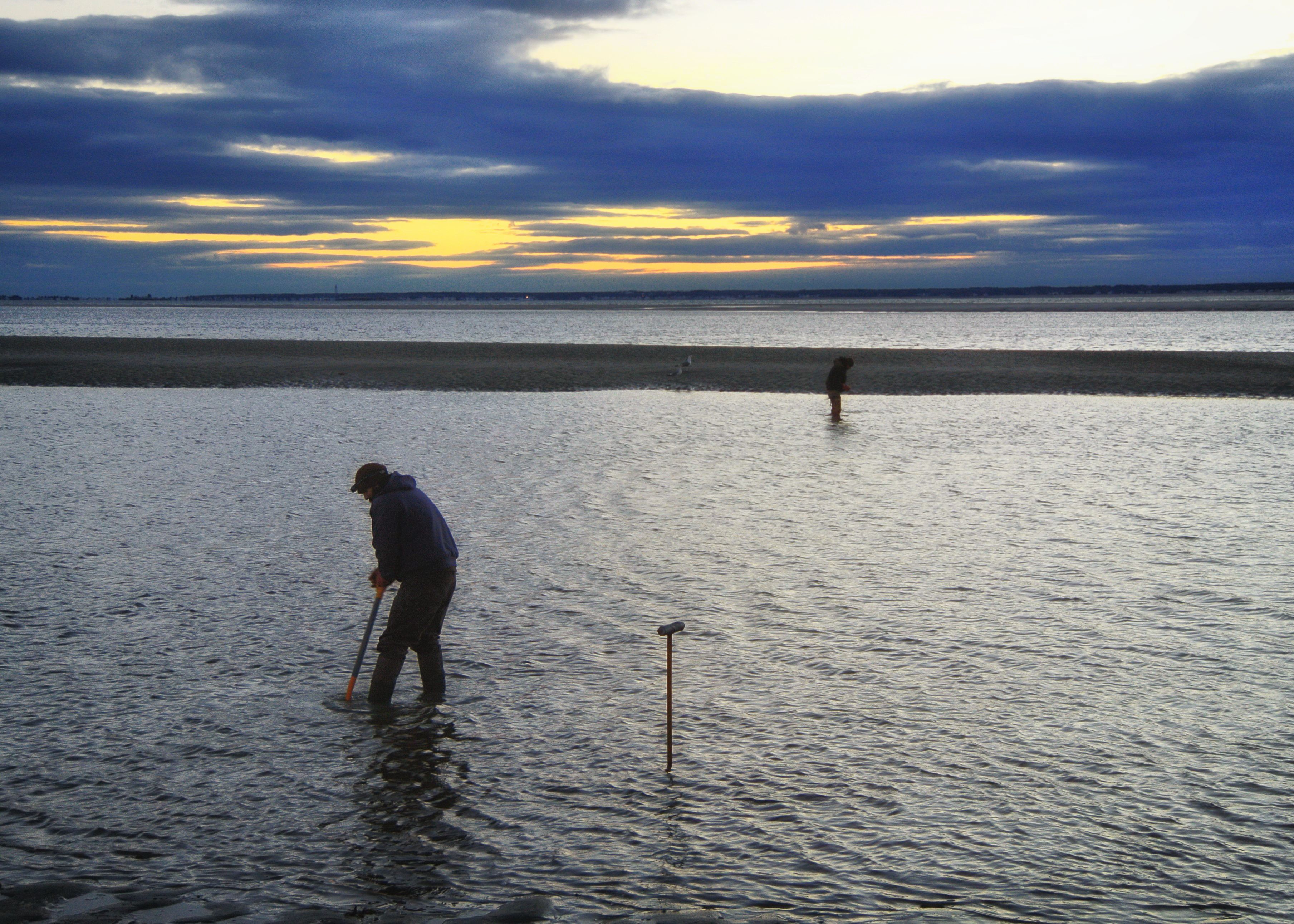
DSC_7853

(photo: Grindstone, Maine)

more on forgiveness – Henri Nouwen

To forgive another person from the heart is an act of liberation. We set that person free from the negative bonds that exist between us. We say, “I no longer hold your offense against you” But there is more. We also free ourselves from the burden of being the “offended one.” As long as we do not forgive those who have wounded us, we carry them with us or, worse, pull them as a heavy load. The great temptation is to cling in anger to our enemies and then define ourselves as being offended and wounded by them. Forgiveness, therefore, liberates not only the other but also ourselves. It is the way to the freedom of the children of God.

for those who mourn

Perfection Wasted – John Updike

And another regrettable thing about death
is the ceasing of your own brand of magic,
which took a whole life to develop and market—
the quips, the witticisms, the slant
adjusted to a few, those loved ones nearest
the lip of the stage, their soft faces blanched
in the footlight glow, their laughter close to tears,
their tears confused with their diamond earrings,
their warm pooled breath in and out with your heartbeat,
their response and your performance twinned.
The jokes over the phone. The memories packed
in the rapid-access file. The whole act.
Who will do it again? That’s it: no one;
imitators and descendants aren’t the same.

Let Evening Come – Jane Kenyon

Let the light of late afternoon
shine through chinks in the barn, moving
up the bales as the sun moves down.

Let the cricket take up chafing
as a woman takes up her needles
and her yarn. Let evening come.

Let dew collect on the hoe abandoned
in long grass. Let the stars appear
and the moon disclose her silver horn.

Let the fox go back to its sandy den.
Let the wind die down. Let the shed
go black inside. Let evening come.

To the bottle in the ditch, to the scoop
in the oats, to air in the lung
let evening come.

Let it come, as it will, and don’t
be afraid. God does not leave us
comfortless, so let evening come.

Jane Kenyon, “Let Evening Come” from Collected Poems. Copyright © 2005