Author: Bill Schulz

Lucas Cantor and I talk about birth, death, and leopards.
3 essential commandments
Respect the elders.
embrace the new.
encourage the impractical
and improbable,
without bias.
-David Fricke
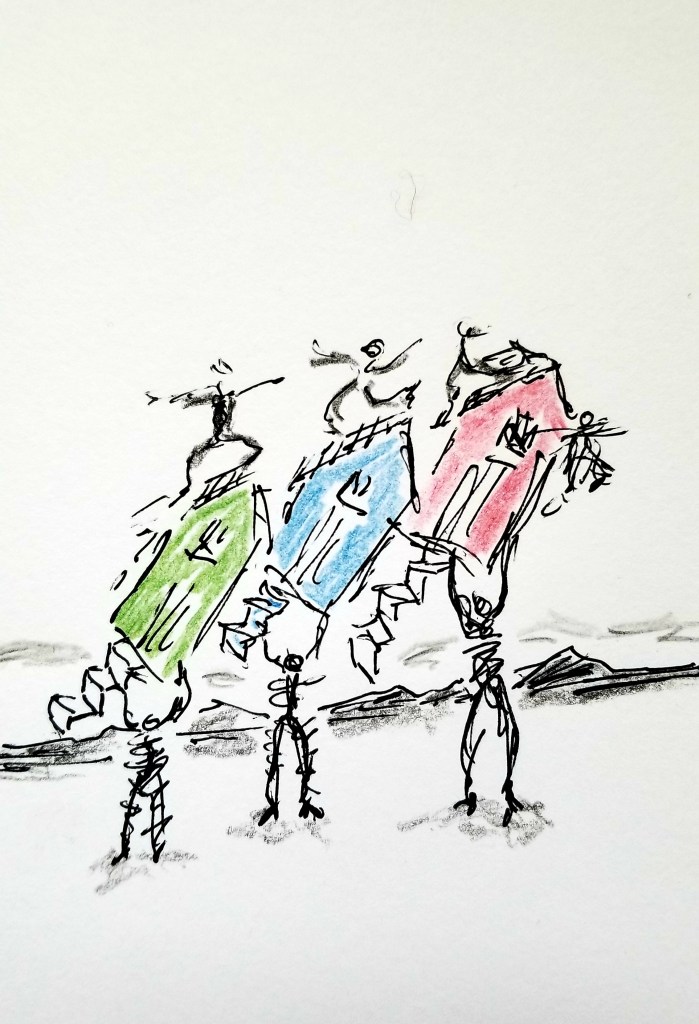
Is It Still Raining In Your Heart?
You left me with nothing much to say.
a glimpse beyond our thinking
Then he gave me a little meditation: “Where are you between two thoughts?” That is to say, you are thinking all the time, and you have an image of your self. Well, where are you between two thoughts? Do you ever have a glimpse beyond your thinking of that which transcends anything you can think about your self? That’s the source field out of which all of your energies are coming.
– Joseph Campbell, on meeting Swami Atmananda
nothing comes from nothing,
The darkness from the darkness.
Pain comes from the darkness
And we call it wisdom. It is pain.
- Randall Jarrell, from 90 North

on the Feast of St. Clare of Assisi

Don’t Judge a Life
Don’t judge a life by the way it ends
Losing the light as night descends
For we are here and then we’re gone
Remnants to reel and carry on
Endings are rare when all is well
Yes and the tale easy to tell
Stories of lives drawn simplified
As if the facts were cut and dried
Don’t judge a life as if you knew
Like you were there and saw it through
Measure a life by what was best
When they were better than the rest
Reserve your wrath for those who judge
Those quick to point and hold a grudge
Take them to task who only lead
While others pay, while others bleed
Tapping the keys in a life of rhyme
Ending the tune and standard time
Silence fills the afternoon
A long long way to gone too soon
Don’t judge a life by the way it ends
Losing the light as night descends
A chance to love is what we’ve got
For we are here and then…
We’re not.
Get behind me…
Ronald Rolheiser – When you read the lives of the saints, especially in some older books, you can get the impression that they lived in a different world. Many of them describe physical encounters with Satan within which they would, literally, get beaten up by him. Satan, it seemed, was forever lurking under a bed, in a basement, in a stairwell, or in some dark corner, just waiting to pounce on them and beat them up. They had to be careful not to venture naively into dark places; though, conversely, there were times when they readied themselves and went deliberately, to the desert, to openly do battle with him.
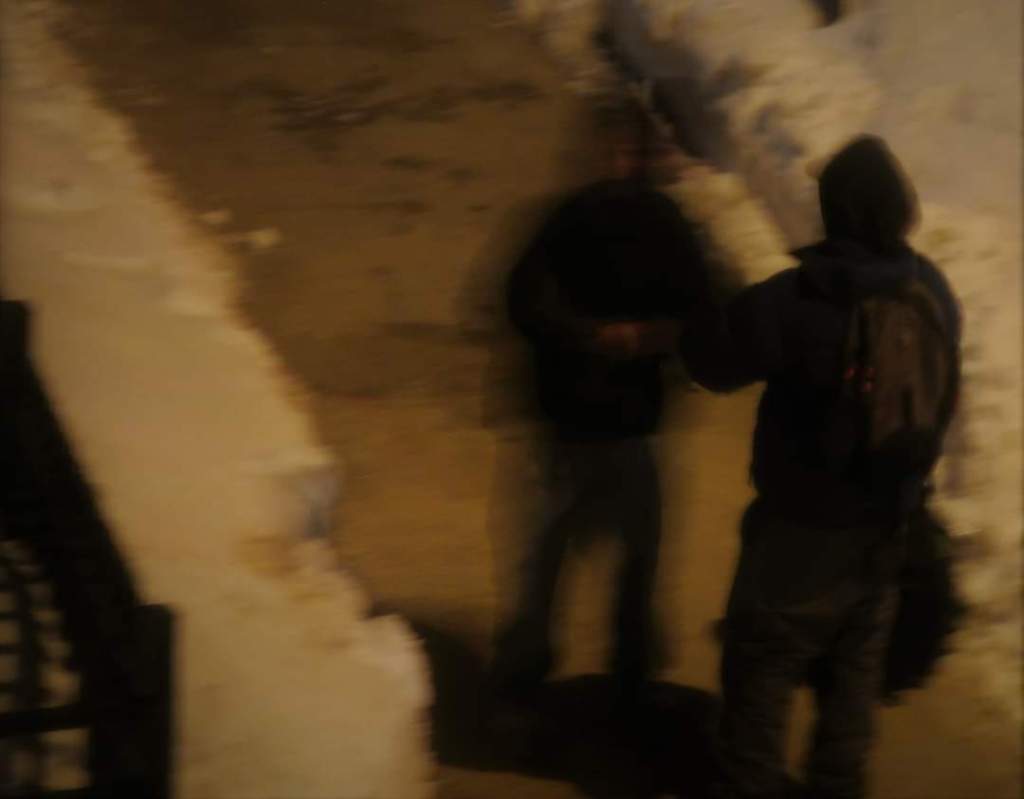
And, in that fight, they had a great weapon, simple one-line mantras: “Get behind me, Satan!” “Satan, leave this room!” “Satan, leave me alone!” That brought guaranteed results. He left them in peace for a while, though they emerged somewhat scraped and bruised from the encounter.
Such language sounds pretty esoteric and even superstitious to us. Not many of us have ever had Satan pop up from under our beds or from some dark place and begin to beat us up. Or have we?
Who or what is Satan? Believers today are split as to whether or not they believe that Satan is an actual person or simply a symbol for a venomous power that can overwhelm you, strip you of moral strength, and leave you precisely with the feeling of having been beaten up. Either way, whether we believe that Satan is an actual person or simply a symbol for malevolence, temptation, and lack of moral strength, the encounters that the saints describe happen to us too in our rational, agnostic lives just as surely as they happened to pious believers in former times.
Satan, scripture tells us, is the prince of jealousy, bitterness, paranoia, obsession, and lies. Few things in life torment us and beat us up as badly as these. They lurk in every dark corner, come out from under our beds at night, generally threaten us, darken our days, dampen our joys, and make us anxious as to what might lie around the corner. We just word things differently.
We speak of being “obsessed”, while the saints speak of being “possessed”. It’s just a difference of words.
Satan, however we choose to conceive of that power, is harassing us all the time and we, like the saints of old, need to learn the mantra: “Get behind me, Satan!”
Where are we harassed and beaten up by Satan? Here are some, everyday, examples:
Every time our minds and hearts begin bitterly replaying, like cassette tapes, old conversations, old wounds, old rejections, and old injustices, so that everything inside of us wants to scream: “This isn’t fair!” “How dare he say that!” “How can she do that, after all I did for her!” “I hate those people!” “Why do I always get cheated?”, we are being tormented by Satan and need to say: “Get behind me, Satan!” There will be no joy, goodness, or moral strength in our lives until those obsessions leave us alone.
Every time we feel a deep emptiness inside and our world feels flat and empty of meaning because we are obsessed with someone or something we can’t have, we need to pray: “Get behind me, Satan!” Heartaches, especially over frustrated love, might well speak of romance, but they also bespeak satan in that they drain the joy out of life and deaden all of our manageable loves. Satan doesn’t come at us like a demon with a pitchfork, standing before fire and smoke, he torments us in a frustrated, pathologically-restless, romantic fantasy that has us in near-suicidal depression and comes upon us in dark stairwells, at parties, and right within our own beds.
Every time we feel pangs of jealousy (not necessarily overtly directed against someone else’s good fortune) but in the disappointment that we feel because our bodies, marriages, careers, and even our morals haven’t turned out as perfectly as we’d have liked, whenever we find it hard to be grateful for our own lives, we are being beaten up by Satan and need to say: “Get behind me, Satan!”
Indeed, any time we have trouble falling asleep at night because some memory, some disappointment, some lost love, some wrong-turn taken, or some obsession won’t let go and give us enough calm to sleep, Satan is harassing us, right in own beds, and we need, like the saints of old, to say: “Get behind me, Satan!”
Satan is alive and well, still tormenting us in our beds, in basement rooms, in dark stairwells, and in broad daylight as we travel to work. We call his presence: obsessions, heartaches, restlessness, jealousy, emptiness, fear, paranoia, old hurts, insomnia, chaos, and other names. Like the saints of old, we need at times when we feel strong enough to wrestle with him openly in the desert, but we need too, whenever our fears and obsessions begin to beat us up, to say the ancient prayer: “Get behind me, Satan!”
growing old
One great thing about growing old is that nothing is going to lead to anything.
Everything is of the moment.
– Joseph Campbell
 Edge of Atlantic